The Evolution of Haircare: What’s Changed in the Last Decade?
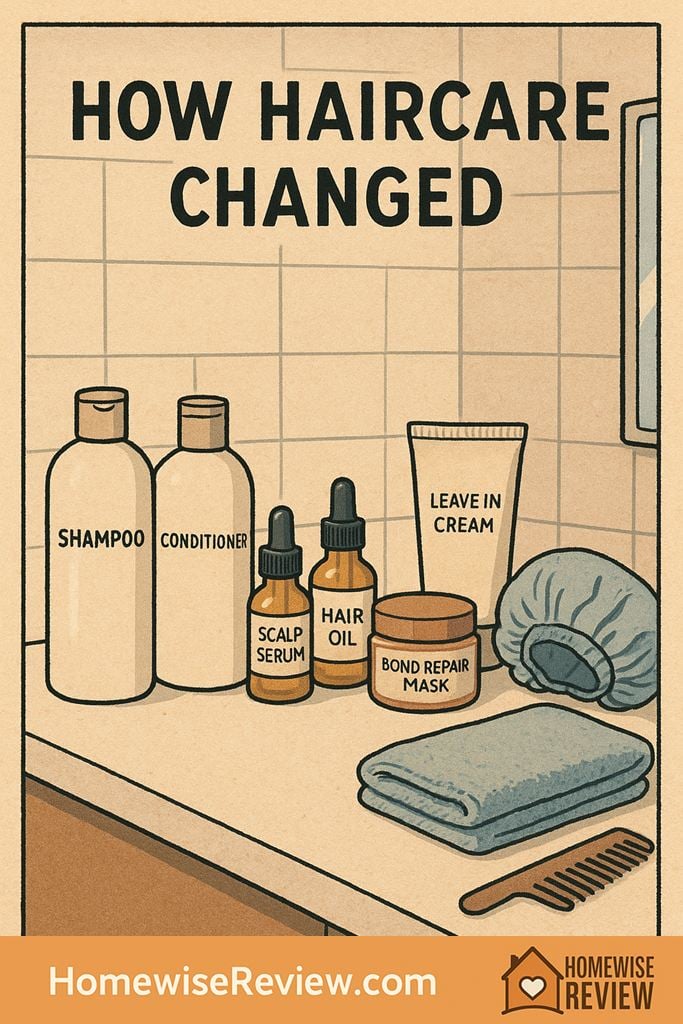
Search data and cosmetic science show how the last decade turned haircare into a scalp-first, treatment-heavy, highly personalized category.

Gather • Grow • Give
Gather • Grow • Give

Search data and cosmetic science show how the last decade turned haircare into a scalp-first, treatment-heavy, highly personalized category.
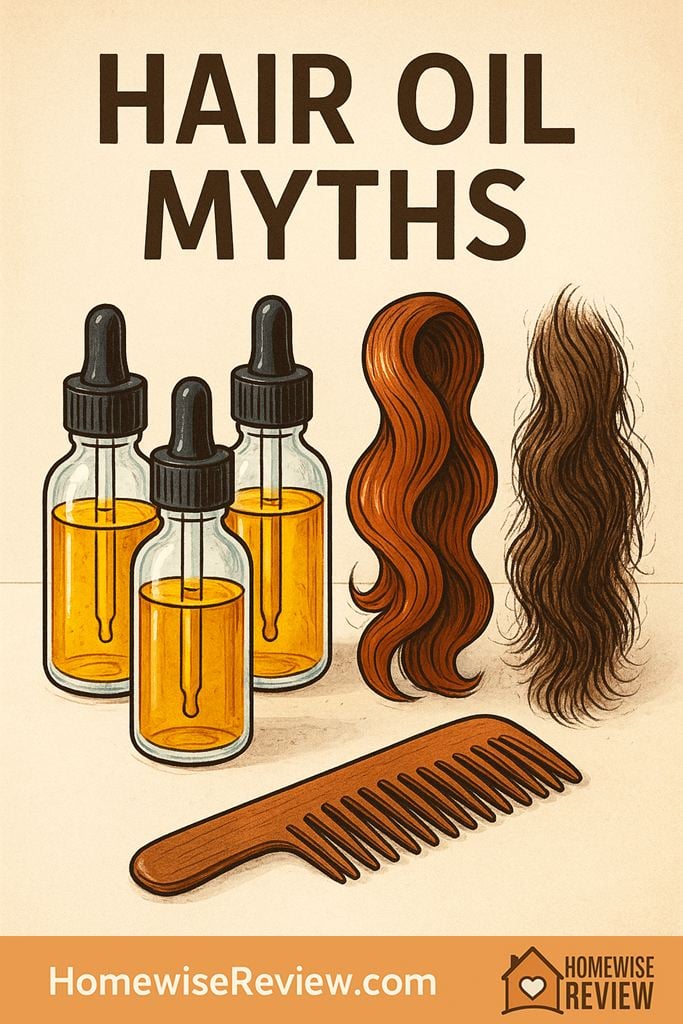
Hair oils can reduce friction, boost shine, and in some cases help limit damage, but the evidence does not support every viral claim. Here are the biggest myths, separated from what studies and experts actually say.
Large cohort studies and coffee chemistry suggest your morning cup may be less of a skin saboteur than people think. The strongest signals show up around rosacea risk, UV-related damage, and the role of caffeine itself.

Spearmint, cinnamon, fennel, and ginger are showing up in women's health research for a reason. The strongest evidence points to modest, pathway-specific effects on androgens, cycle regularity, menopause symptoms, and menstrual comfort, with a wide gap between pantry folklore and clinical dosing.
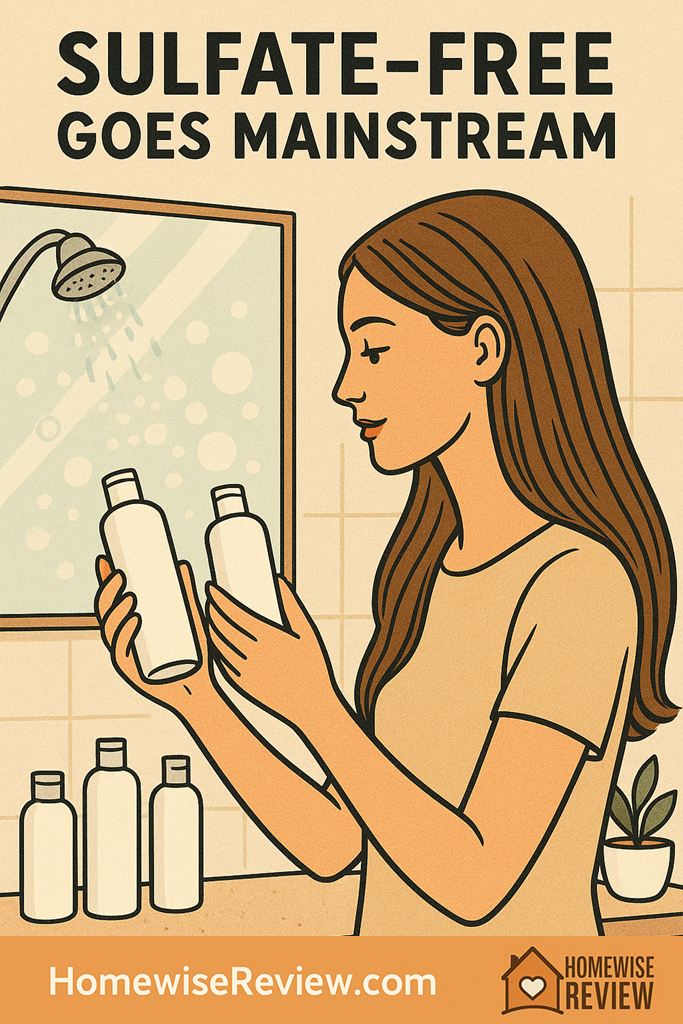
Sulfate-free shampoo is no longer just a clean-beauty buzzword. Search demand, market growth, and hair-science research help explain why the shift has become so widespread.
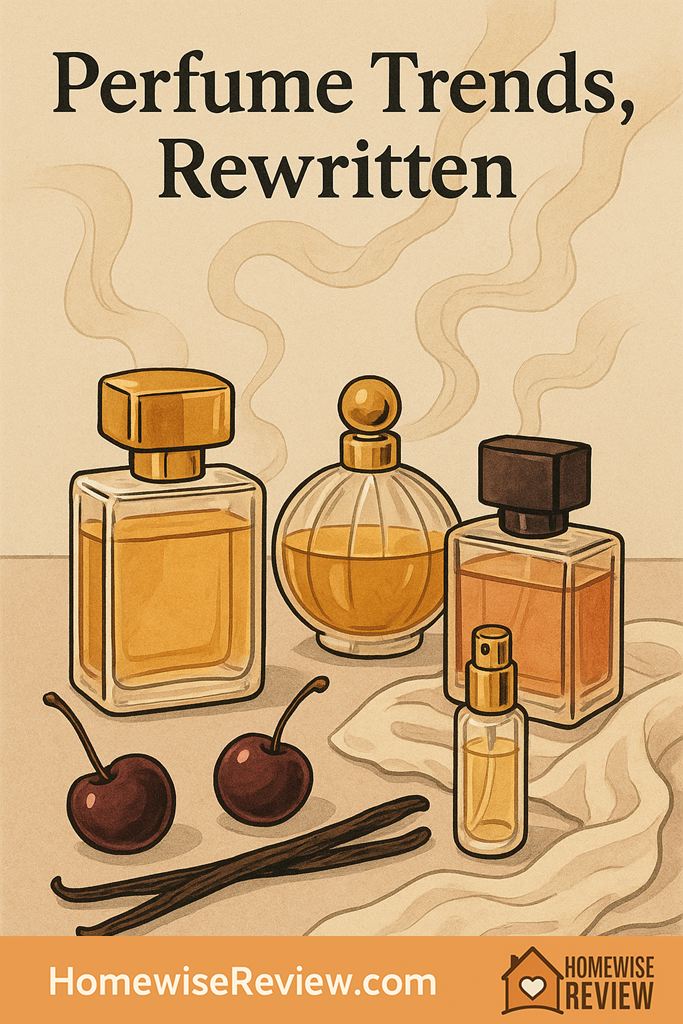
Circana sales data and Google Trends comparisons suggest that the biggest fragrance story of 2023 was not just growth. It was a sharp shift toward darker gourmands, quieter musks, fruit with depth, and a more flexible way of buying and wearing perfume.
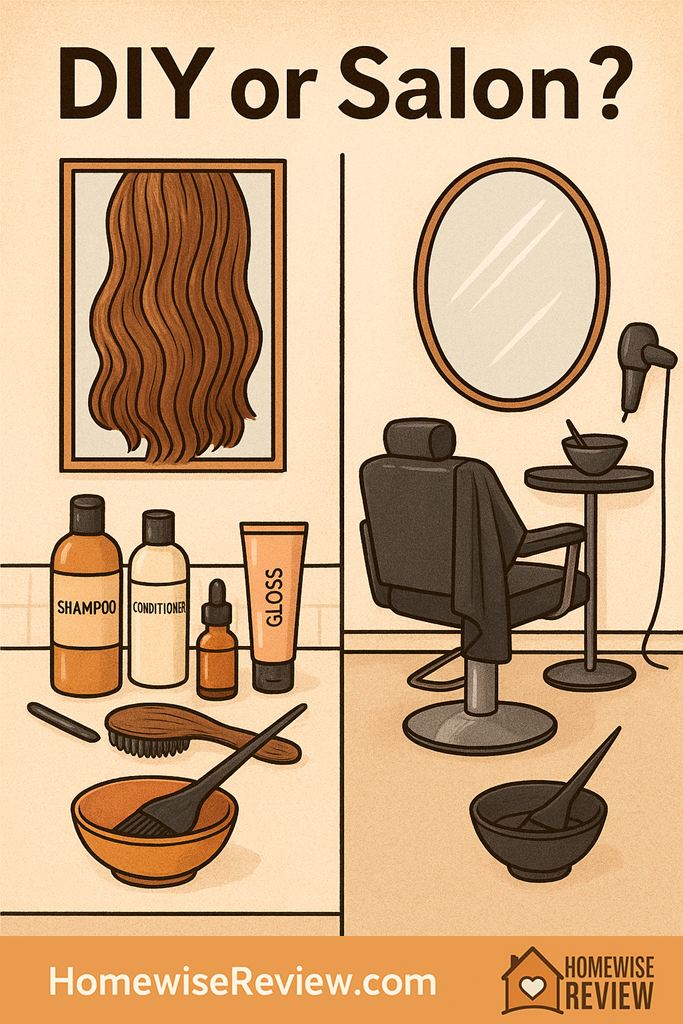
A data-backed look at what DIY hair care really saves, where salon services still earn their higher price, and why the biggest trend is a hybrid routine instead of a total switch.
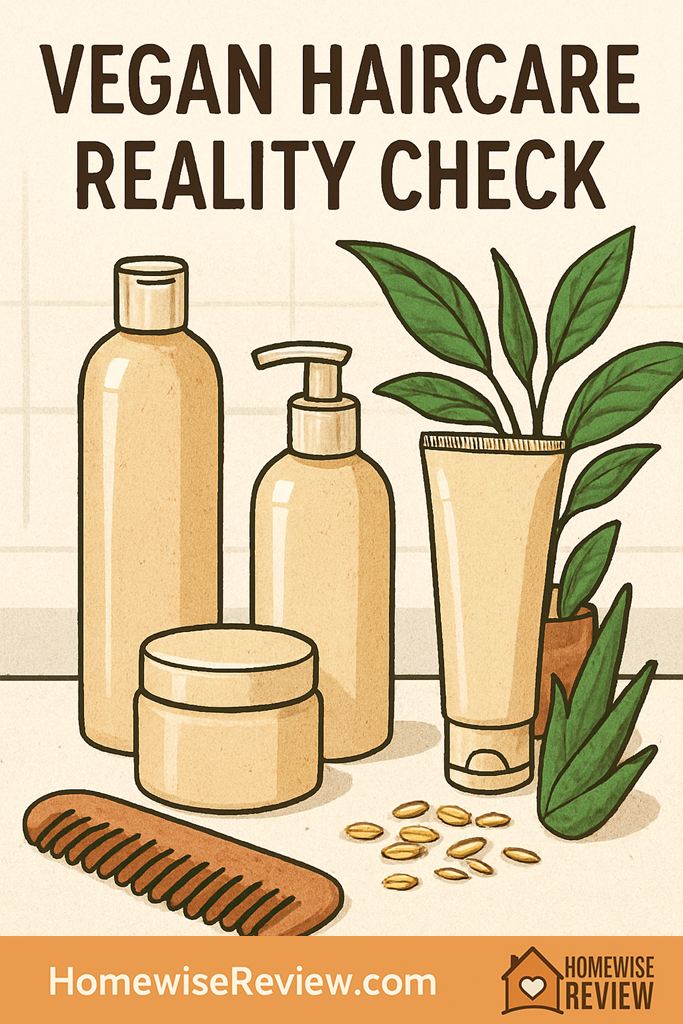
A 2023 consumer-report view of vegan haircare shows the label is growing, but shoppers still buy around frizz, scalp issues, damage, and color safety first. The premium tends to feel worth it only when the formula solves a real hair problem on top of the values claim.
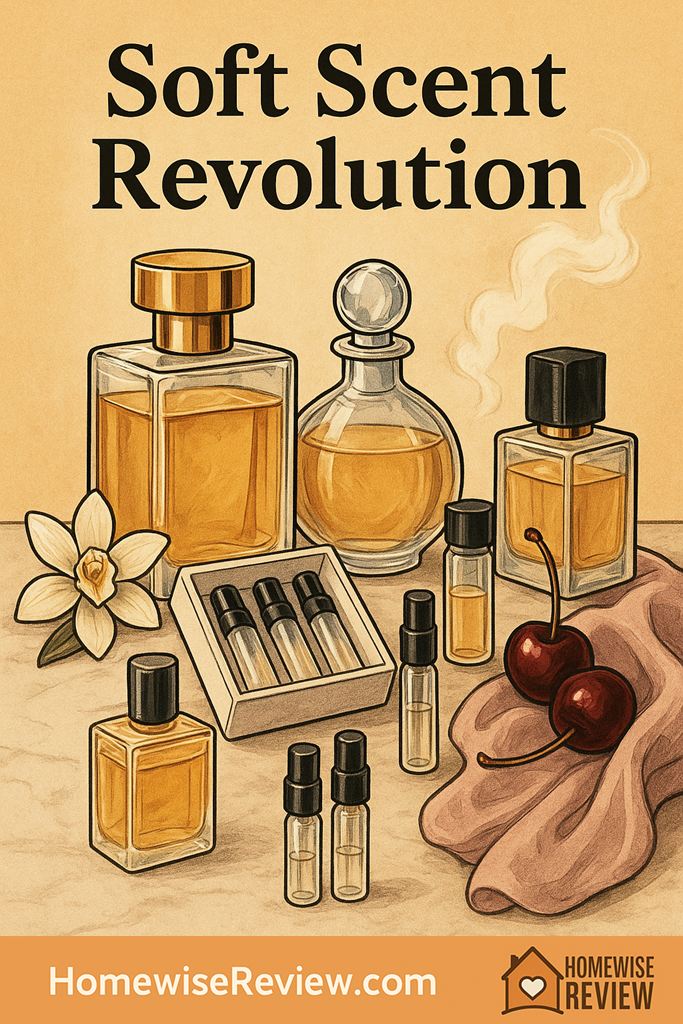
Sales, search data, and market forecasts point to fragrance's next phase: softer, layerable, everyday scent wardrobes instead of one hero bottle.
A data-backed look at the celebrity fragrances that stopped feeling like merch and started shaping modern perfume culture.