
How to Remove Hard Water Stains from Stainless Steel
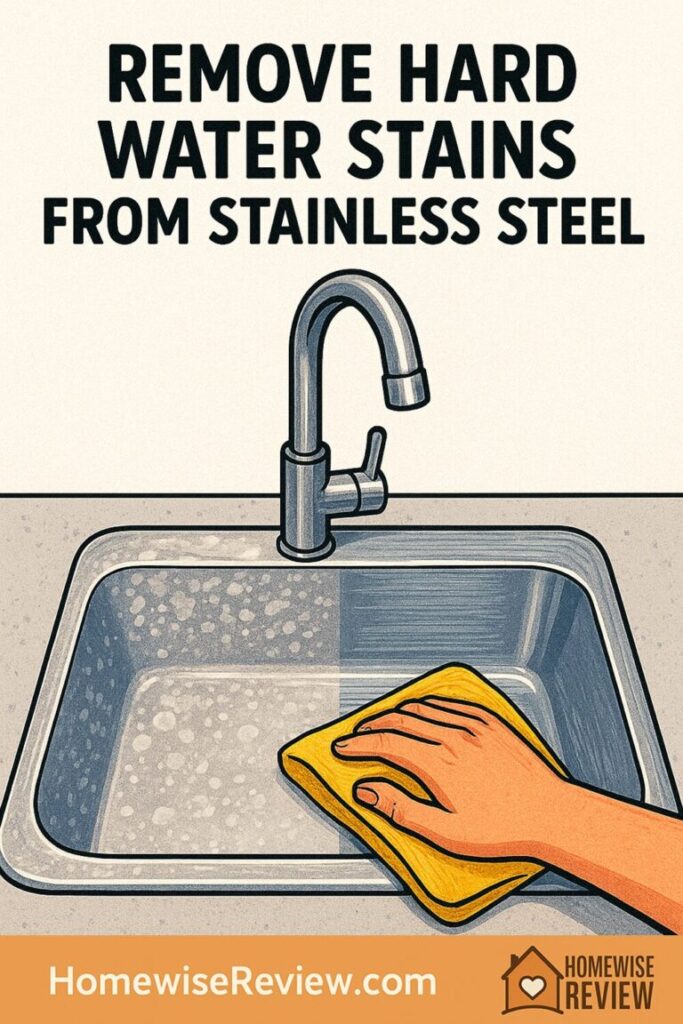
Gentle ways to remove hard water stains from stainless steel sinks, faucets, appliances and cookware without scratching the finish, from soap and water up to vinegar, baking soda and lemon.

On this page
- What hard water stains are and why they stick to stainless steel
- Before you start: protect the stainless finish
- Match the method to the stain
- Method 1: Daily cleaning for light hard water spots
- Method 2: White vinegar soak for stubborn mineral buildup
- Method 3: Baking soda paste for rough or etched spots
- Method 4: Lemon or citric acid for faucets and tight spots
- Method 5: When to use commercial cleaners
- Special situations and surfaces
- How to keep hard water stains from coming back
- See also
Hard water can leave your stainless steel covered in cloudy spots and chalky streaks that never seem to wipe away. This guide covers gentle ways to loosen that mineral buildup without scratching the finish, starting with the mildest. Check the care instructions from your sink, appliance or cookware maker first, and follow them where they differ from these steps.
Hard water stains on stainless steel show up as cloudy spots, white streaks, or a dull film that makes everything look older and dirtier than it really is. Much of this buildup sits on the surface, so start with the mildest method and work up only if you need to.
What hard water stains are and why they stick to stainless steel
Hard water is full of minerals such as calcium and magnesium. When water dries on a surface, those minerals stay behind and form the chalky residue you see on sinks, faucets, and stainless appliances.
On stainless steel, that residue can cling to tiny surface scratches and the brushed grain, and it gets harder to remove the longer it builds up.
Before you start: protect the stainless finish
Stainless steel is durable, but its shiny finish can scratch or discolor if you use the wrong tools or chemicals. A little prep work goes a long way toward avoiding marks that do not buff out.
Check your appliance or sink manual if you still have it, and test any cleaner on a small, hidden area first. If the finish is very dark, tinted, or specialty coated, be especially cautious with strong acids or abrasives.
Tools and supplies checklist
Gather what you need so you can complete the whole process in one pass:
- Soft microfiber cloths or flour sack towels
- Non-scratch sponge or soft scrub pad
- Paper towels or cotton rags for soaks
- Mild dish soap
- White distilled vinegar
- Baking soda
- Fresh lemon or bottled lemon juice (optional)
- Spray bottle (for vinegar solution)
- Small bowl for pastes
- Rubber gloves, especially if you have sensitive skin
Skip steel wool, metal scrapers, and harsh powdered cleansers on stainless steel. They can leave scratches that do not buff out and give minerals more to cling to.
Match the method to the stain
Look closely at the area you want to clean and choose an approach based on what you see:
- Light haze or fresh spots: Try routine cleaning with soap and water, followed by careful drying.
- White rings, spots, or streaks you can feel: Use a vinegar soak to dissolve the mineral layer.
- Rough patches or stubborn buildup around faucets and drains: Combine vinegar with gentle scrubbing or a baking soda paste.
- Large areas with heavy scale: Repeat the vinegar soak, or use a limescale remover whose label says it can be used on stainless steel.
Start with the mildest method that could work. If you do not see results, move to a slightly stronger option rather than jumping straight to harsh chemicals or aggressive scrubbing.
Method 1: Daily cleaning for light hard water spots
Regular cleaning keeps light mineral deposits from building into thick, crusty stains. Mild dish soap and water is the gentlest option, so start here.
Steps for routine cleaning
- Rinse the surface. Use warm water to remove loose debris, soap scum, and as much mineral dust as possible.
- Wash with mild dish soap. Add a few drops of dish soap to a damp soft sponge or cloth. Wipe the stainless steel, working in the direction of the grain when possible.
- Rinse thoroughly. Any soap left behind can mix with minerals and leave streaks, so rinse until the water runs clear.
- Dry completely. Use a clean, dry microfiber cloth to wipe away every bead of water. Focus on seams, handles, and the base of faucets where droplets collect.
- Buff for shine. With a second dry cloth, lightly buff in the direction of the grain to restore an even sheen.
If you already see light spotting while you dry, you can move directly into the vinegar method below without waiting for the surface to air dry.
Method 2: White vinegar soak for stubborn mineral buildup
White distilled vinegar is mildly acidic, which helps dissolve calcium and magnesium deposits. Keep contact times short, rinse it off and test a hidden spot first, and check the maker’s care instructions, since some finishes and coatings should not get acids.
How to use vinegar on stainless steel
- Mix a cleaning solution. Combine equal parts white vinegar and warm water in a spray bottle or bowl. For very stubborn stains, you can start with undiluted vinegar, but test a small area first.
- Apply to the stains. For flat areas like doors or sink basins, spray the solution directly onto the mineral deposits until they are clearly wet. For vertical or awkward spots, soak paper towels or a cloth in the solution and press them onto the stains.
- Let it sit briefly. Allow the vinegar to work for 5 to 10 minutes. For thick buildup you can go up to 15 minutes, but do not walk away for hours.
- Gently rub along the grain. Using a soft cloth or non-scratch sponge, wipe the area in the direction of the stainless steel grain. You should feel the roughness lessen as the mineral layer dissolves.
- Rinse well. Rinse with clean water to remove vinegar and loosened minerals. This is especially important if the stainless steel is near natural stone countertops, since vinegar can etch some stones.
- Dry and inspect. Dry completely with a microfiber cloth. If you still see or feel deposits, repeat the vinegar soak once or twice more.
If vinegar ever leaves the finish discolored or rainbow tinted, rinse it right away, dry it and switch to a milder method. If the discoloration stays, check the maker’s care instructions before trying anything else.
Method 3: Baking soda paste for rough or etched spots
Old buildup can leave rough patches that grab onto new minerals. Baking soda is a mild abrasive, so use it lightly and test a hidden spot first, especially on polished finishes.
Steps for a gentle baking soda scrub
- Make a paste. In a small bowl, combine baking soda with just enough water to form a spreadable paste, similar to toothpaste.
- Apply to the stains. Spread a thin layer over the rough or heavily spotted areas. You do not need a thick crust for it to work.
- Let it sit briefly. Give the paste 5 to 10 minutes to loosen grime and minerals.
- Rub gently. With a damp soft cloth or non-scratch sponge, rub the paste in the direction of the grain using light pressure. Avoid circular scrubbing, which can leave swirls on brushed finishes.
- Rinse thoroughly. Use plenty of water to remove all traces of baking soda, since leftover powder can leave its own haze.
- Finish with vinegar if needed. If you still see white spots, a quick vinegar spray and wipe can dissolve the final mineral layer.
Use this method sparingly on shiny, mirrorlike stainless steel, where any abrasive can dull the finish. On brushed finishes, always rub with the grain.
Method 4: Lemon or citric acid for faucets and tight spots
Natural citric acid in lemons also breaks down hard water deposits and can be easier to control on curved or detailed fixtures. This works well around faucet bases, sprayers, and handles where minerals collect in tight gaps.
How to use lemon on tight areas
- Cut a lemon in half. Use a fresh lemon or soak a cotton ball in bottled lemon juice.
- Press onto the buildup. Rub the cut side of the lemon directly on the mineral deposits, squeezing slightly so the juice covers the area.
- Secure for a mini soak. For thick rings around faucet bases, you can wedge the lemon half against the metal or hold lemon soaked cotton balls in place with a bit of plastic wrap for 10 to 15 minutes.
- Scrub lightly. Use a soft toothbrush or cloth to loosen any remaining residue.
- Rinse and dry. Rinse with water, then dry completely so new spots do not form right away.
Lemon is usually gentler smelling than vinegar and can feel more pleasant to use in small bathrooms or kitchens, though it can be slightly sticky before you rinse.
Method 5: When to use commercial cleaners
If do-it-yourself methods are not cutting through thick limescale or you need to clean a large area quickly, a commercial product can help. Look for cleaners whose labels say they are for stainless steel and for hard water or limescale deposits.
Two main types are useful here:
- Limescale or calcium removers. These are stronger acids designed to dissolve mineral buildup quickly. Use sparingly, follow the label closely, and never mix them with bleach or other cleaners.
- Stainless steel cleaners and polishes. These focus on removing fingerprints, light haze, and adding shine. Some include mild solvents that can help lift light hard water spotting.
Pros of commercial products include speed and less scrubbing. The tradeoff is cost and the need for more ventilation and protective gloves, especially with stronger descalers.
Special situations and surfaces
Stainless steel sinks
Sinks see the worst of hard water because they stay wet so often. To deep clean a stainless sink with heavy spotting:
- Clear dishes and rinse away food debris.
- Spray or wipe the basin with hot, soapy water and rinse.
- Apply a vinegar soak to the worst white areas for 10 to 15 minutes.
- Sprinkle a little baking soda on remaining rough spots and gently scrub with a non-scratch sponge.
- Rinse very well, then dry with a microfiber cloth, including around the drain and seams.
For regular upkeep, a fast wipe and dry at the end of the day keeps new spots from building up.
Stainless steel appliances and doors
On refrigerators, dishwashers, and ovens, appearances matter more, since streaks and uneven shine are noticeable. Work in small sections so your cleaner does not dry in patches.
Always wipe in the direction of the grain, and use light pressure. After cleaning and removing hard water stains, you can apply a thin layer of stainless steel polish or a drop of mineral oil on a cloth to even out the finish and make future spots easier to wipe away.
Stainless steel cookware
Hard water often leaves a white, chalky film inside pots and pans. To remove it without damaging the cookware:
- Fill the pot with enough water to cover the film and add a half cup of white vinegar.
- Bring to a gentle simmer for 5 to 10 minutes.
- Turn off the heat and let it cool enough to handle safely.
- Pour out the solution and wash with mild dish soap and a non-scratch sponge.
- Dry completely before storing so new mineral rings do not form.
If a few spots remain, follow with a light baking soda paste scrub.
How to keep hard water stains from coming back
Once you have done the work to remove buildup, a few simple habits can keep stainless steel looking cleaner much longer.
- Dry surfaces after use. Keep a microfiber cloth near the sink and give faucets, sinks, and stainless counters a quick wipe after heavy use.
- Use a daily spray. Mix equal parts white vinegar and water in a bottle and lightly mist problem areas once a day or a few times a week, then wipe dry.
- Address leaks and drips. Fix dripping faucets and sprayers. Constant drips leave some of the toughest mineral tracks.
- Consider a water softener or filter. In very hard water areas, a whole-house water softener reduces the minerals that leave these spots.
- Polish occasionally. A thin layer of stainless steel polish or oil every few weeks can help water bead up and run off instead of drying in place.
Keeping stains away is not about perfection every day. Even wiping key areas a few times a week can cut down on deep cleaning.
See also
- Compare our review of Method all purpose cleaner if you want a ready-made spray.
- Explore non-toxic cleaning products for families to upgrade your whole cleaning kit.
Frequently Asked Questions
What is the best cleaner for hard water stains on stainless steel?
For most homes, equal parts white vinegar and warm water is a sensible next step after soap and water. It is inexpensive and mildly acidic, so it loosens mineral deposits. Keep contact short, rinse it off and check the maker’s care instructions first.
For thicker buildup, follow the vinegar with a gentle baking soda scrub, or use a limescale remover whose label lists stainless steel. Always test a small, hidden area before cleaning a large visible section.
Can vinegar damage stainless steel?
It can if it is left on too long. Use it diluted or for short contact times, rinse it off well and do not let it dry on the surface. Some finishes and coatings should not get acids at all, so check the maker’s care instructions.
Keep vinegar soaks to 5 to 15 minutes, rinse thoroughly with water and dry completely afterward. If you notice discoloration or a rainbow sheen that does not rinse away, stop and check the maker’s care instructions.
How do I remove hard water stains from stainless steel without scratching?
Use non-scratch tools such as microfiber cloths, soft sponges, and soft bristle brushes, and always scrub in the direction of the grain. Avoid steel wool, abrasive powders, and rough scrub pads that can leave marks that do not buff out.
Let your cleaner do most of the work by soaking the stains in vinegar or lemon juice for a few minutes first. Once the minerals soften, very light pressure is usually enough to wipe them away.
What removes white calcium buildup from a stainless steel sink?
Start with a hot water rinse and a quick wash with dish soap to clear surface grime. Then apply a vinegar soak directly to the white calcium rings and spots for up to 15 minutes.
After the soak, gently scrub the area with a non-scratch sponge or a light baking soda paste. Rinse thoroughly and dry; repeat the treatment on any patches that still feel rough.
How often should I deep clean hard water stains on stainless steel?
In homes with very hard water, you may need a focused cleaning every one to two weeks on high-use areas like sinks and faucet bases. Appliances and less used fixtures can often go a month or more between deeper cleanings.
Wiping and drying surfaces after heavy use is the biggest time saver. The more often you dry stainless steel before water evaporates, the less often you will need to tackle heavy mineral deposits.
As an Amazon Associate, we earn from qualifying purchases made through links on our site.