

Loosens thick, built-up dead skin to reveal softer, smoother soles after the delayed peeling cycle.
We may earn a small referral fee
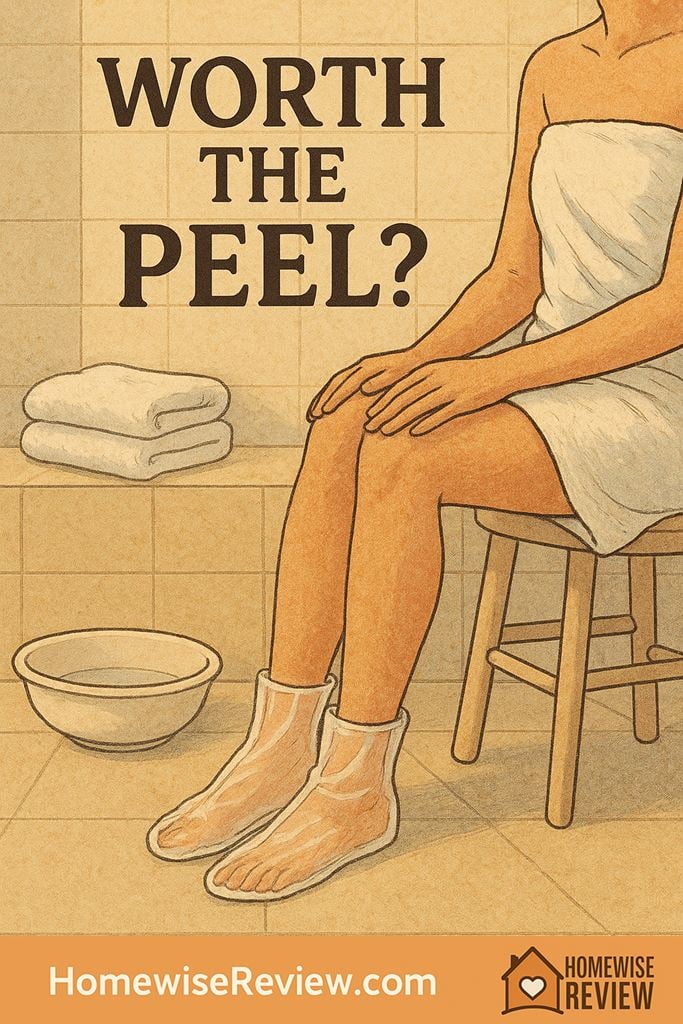
If your heels are rough enough that scrub and lotion are not doing much, My Foot Peel Mask is usually worth it. It is best for thick, built-up dead skin and moderate calluses, while people with sensitive, cracked, or irritated feet should skip it. Compared with cheaper options like Plantifique Foot Peeling Mask and basic exfoliating socks, it tends to give a more obvious peel, though the end result is not dramatically better than Baby Foot Original Foot Peel.
Overview
My Foot Peel Mask is a single-use exfoliating foot treatment from My Foot, sold in wearable booties that sit on the skin for about an hour before the real work begins over the next several days. Its core promise is smoother soles and softer heels by loosening built-up dead skin, so it can shed away on its own without heavy scrubbing.
This is not an instant beauty product. It is a delayed-results peel, and that matters. If you want a quick polish before an event, this is the wrong category. If you want a deeper reset for rough feet, it makes much more sense.
Key Specs
| Brand | My Foot |
|---|---|
| Product type | Single-use foot peel mask booties |
| Wear time | About 60 to 90 minutes |
| Exfoliation type | Acid-based chemical peel |
| Peel start | Usually 3 to 7 days after use |
| Full peeling window | About 7 to 14 days |
| Best for | Rough soles, dry heels, flaky buildup, mild to moderate calluses |
| Not ideal for | Open cuts, active irritation, very sensitive skin, deep heel splits |
Who It’s For
This is best for adults with rough, dull feet that need more than a pumice stone and body lotion. It is especially useful after winter, before sandal season, or anytime your soles feel thick and uneven. It is not a smart pick if your skin is reactive, your heels are actively cracked, or you need your feet looking tidy in the next few days.
Performance & Feel
Foot-peel booties should be used exactly as labelled. Stay seated if they make footing slippery, follow the stated contact time, and do not walk around simply because the booties feel comfortable.
After rinsing, feet look almost the same, and that catches some people off guard. You may notice a slightly smoother feel, but the dramatic change does not happen on day one. On my own feet, the first real peeling showed up around day five near the toes and ball of the foot, then spread toward the sides and heels. That delay is completely typical, but you do need to plan for it because the shedding phase is not pretty.
Once the peeling starts, My Foot Peel Mask does a solid job. It lifted thin layers of dead skin in visible sheets after warm showers, and it handled everyday roughness well without any scraping. The biggest improvement was overall texture. My soles felt more even, softer, and less chalky by the end of the process. What it did not do was fully erase the thickest heel callus in one use. If your heels are very tough, you will still need maintenance with cream and gentle filing after the peel is finished.
That is really the fairest way to describe the performance: effective, but not magic. It works best on surface buildup and moderate roughness. It is less impressive on deep cracks or very dense callused skin. I also would not call it the gentlest option in the category, so if acid exfoliants usually sting on you, this may feel like too much.
Advantages & Disadvantages
Pros
- Noticeable results: It gives a real peel, not just a lightly softened finish.
- Good for rough texture: It smooths flaky soles and everyday heel buildup well.
- Low effort: After the wear time, most of the work happens on its own.
- Useful reset product: It is a helpful starting point if your regular foot cream has stopped making much difference.
Cons
- Delayed payoff: You have to wait several days before the peel really begins.
- Messy phase: The shedding stage is obvious, so sandals and pedicures are best avoided.
- Not for sensitive or broken skin: It can be too strong for irritated feet or open heel cracks.
How It Compares
| Product | Key Difference | Check Price |
|---|---|---|
| My Foot Peel Mask | Balanced-strength peel that works well on rough buildup but still needs aftercare for thick heel calluses. | View on Amazon |
| Baby Foot Original Foot Peel | More established formula with a similarly dramatic multi-day peel and a slightly more predictable reputation. | View on Amazon |
| Plantifique Foot Peeling Mask | Gentler-feeling option that can be slower and less thorough on stubborn calluses. | View on Amazon |
| TONYMOLY Shiny Foot Super Peeling Liquid | Two-step design feels messier to apply but can grip very rough soles a bit harder. | View on Amazon |
Worth Knowing Before You Buy
Do not use this right before you need your feet to look presentable. You rinse it off and see almost nothing at first, then around day five the peeling starts, usually at the toes and ball of the foot before moving to the sides and heels. If you want tidy feet in the next few days, this will make them look worse first. If you have thick built-up skin that scrub and lotion are not fixing, that delayed peel is the reason to use it.
How to Use It Without Making Peeling Worse
The part most reviews skip is that foot peel masks can work too well in the wrong spots. If you have thick heels but thinner skin on the tops of your toes or around the arches, the liquid inside the booties does not know the difference. Before you put them on, apply a thin layer of plain petroleum jelly to any area that is not rough, especially cuts, cracked spots, or places that tend to sting. That helps keep the peel focused on built-up dead skin instead of turning a useful treatment into an irritated mess.
Timing matters more than people think. Leaving the booties on longer than directed will not guarantee better results, but it can raise the odds of raw, uneven peeling. After you rinse, resist the urge to scrub when the shedding starts a few days later. That is when people usually make the process look worse than it needs to. Forced peeling can leave tender patches underneath, especially around the ball of the foot and sides of the heel, where friction is highest.
The most practical move is to plan the week around it. Wear socks, avoid strappy shoes, and skip long hot baths that can make half-loosened skin peel off in ragged sheets. If you need your feet to look tidy on a specific date, do the mask well in advance or not at all. This product works best when you let the delayed peeling cycle happen on its own, then follow up with a basic moisturizer once the shedding phase is over.
💡 Editor’s Final Thoughts
My Foot Peel Mask is worth buying if your feet have real dead-skin buildup and you want a stronger treatment than a scrub can provide. I would recommend it for rough soles and moderate calluses, not for sensitive feet or severe cracks. It performs better than many basic peel socks, but the gap is not huge enough to justify using it unless you actually want a visible, multi-day peel.
You May Also Like
If you are not sure how to maintain results after the peeling stops, start with our daily foot care routine for soft heels and healthy nails and pair it with this Eucerin Advanced Repair Lotion review.
- Best gentle exfoliating socks and foot peels for sensitive feet
- Best foot peel mask options for cracked heels
- Honest Renpho foot massager review for tired feet
Frequently Asked Questions ▾
How long does My Foot Peel Mask take to work?
Usually not right away. Most people see little to no peeling for the first few days, then shedding begins somewhere between day three and day seven. The full process can last up to two weeks depending on how much dead skin you started with.
Does My Foot Peel Mask hurt?
The peeling itself should not be painful. The booties can feel wet and chilly, and some people notice mild tingling while wearing them. If you feel burning, intense stinging, or see redness that keeps getting worse, rinse it off immediately and do not use it again.
Can I use it on cracked heels?
Only if the skin is rough and dry, not split open. If your heels have deep cracks, open areas, or broken skin, this kind of peel can sting badly and make the area angrier. In that case, a repair cream is usually the better first step.
How can I get the best results from it?
Use it on clean, dry feet and keep the booties on for the full recommended time, but not longer. After the peeling starts, warm showers or a short soak can help loosen skin naturally. Do not pull or tear at peeling skin, because that is the easiest way to end up sore.
How often should you use a foot peel like this?
Not often. For most people, this is an occasional reset product rather than something to use weekly. Once every several weeks or even every couple of months is usually enough, especially if you keep up with daily moisturizer afterward.
As an Amazon Associate, we earn from qualifying purchases made through links on our site.