

A solid, high-quality duvet creates an instant anchor so your room reads calm and finished while smaller decor looks elevated.
We may earn a small referral fee
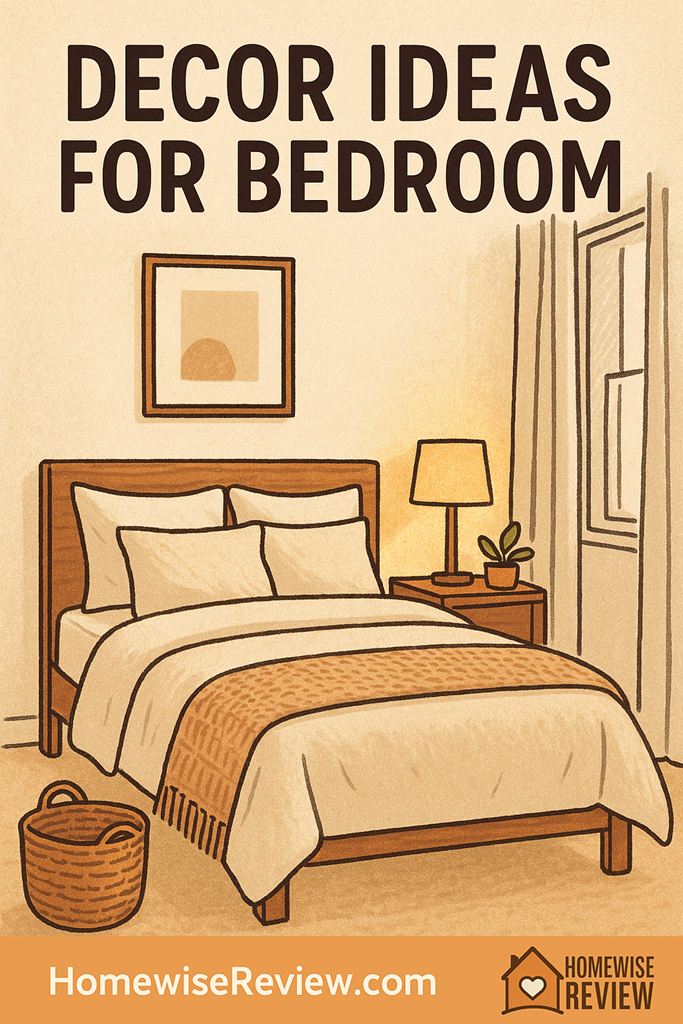
Want your bedroom to feel calm, pulled together, and “done” without spending a fortune? These bedroom decor ideas focus on the few changes that make the biggest visual difference, plus simple steps to keep the room functional and clutter-free.
If your bedroom looks fine but still feels unfinished, it usually comes down to a few missing layers: lighting, texture, and a clear plan. The good news is you do not need a full makeover to get a cozy, intentional space. Start with the pieces that take up the most visual space, then add the finishing touches that make it feel like you.
Start With a Simple Plan (So the Room Feels Intentional)
The fastest way to elevate bedroom decor is to make a few decisions on purpose instead of adding random items. A plan also protects your budget because you are less likely to buy “almost right” pieces twice. Think of this as setting guardrails: function, mood, and a limited palette.
Decide what the room needs to do
- Sleep-first: prioritize blackout options, softer lighting, and minimal bedside clutter.
- Get-ready zone: prioritize a mirror, a small tray for daily items, and lighting near the closet or dresser.
- Work corner: keep the desk visually separate with a rug or lamp, and hide cords.
Pick a tight color palette
A simple palette makes even budget pieces look higher-end. Aim for 2 to 3 core colors plus 1 accent that shows up in small ways (a pillow, a book spine, a vase).
- Easy neutrals: warm white, ivory, oatmeal, soft gray, greige.
- Calming colors: muted sage, dusty blue, soft clay, smoky mauve.
- Classic accents: black, antique brass, walnut wood, deep green.
Use the “anchor piece” method
Choose one anchor and build around it so the room reads cohesive.
- Anchor options: a rug, a statement headboard, or a bold duvet cover.
- Rule of thumb: if the anchor is patterned, keep the rest mostly solid; if the anchor is solid, add pattern in smaller doses.
Lighting: The Most Underrated Bedroom Decor Upgrade
Lighting sets the mood more than any throw pillow ever will. Most bedrooms rely on a single overhead light, which can feel harsh and flat. Layering light creates warmth and makes the whole room look more polished.
Build a simple 3-layer lighting setup
- Ambient: ceiling light, semi-flush mount, or a soft overhead fixture on a dimmer.
- Task: bedside lamp or wall sconce for reading.
- Accent: a small lamp on a dresser, picture light, or subtle LED behind a headboard.
Choose bulbs that flatter your space
For a cozy bedroom, look for 2700K to 3000K (warm) bulbs. If your room already feels yellow, 3000K can look cleaner while still soft. Consistent bulb color across lamps helps the room feel calm, not patchy.
Bedding: Make the Bed the Star
Your bed is usually the largest visual object in the room, so bedding is the quickest “decor win.” When bedding looks full and layered, the entire room looks more finished. Focus on scale and texture, not a dozen small accessories.
A simple, elevated bedding formula
- Sheets: choose a breathable set in a solid color to keep the base calm.
- Duvet or quilt: go one step thicker or more textured than you think you need for that cozy look.
- 2 sleeping pillows + 2 shams: instant structure.
- 1 lumbar pillow (optional): adds polish without clutter.
- Throw blanket: drape at the foot for softness and color.
Make it look tailored without constant fuss
If you hate re-styling every morning, choose one “forgiving” texture: linen-blend, matelassé, waffle weave, or a lightly quilted coverlet. These look intentional even with a little rumple. Keep the throw blanket in a basket when not in use so it looks tidy in one move.
Wall Decor Ideas for Bedrooms (Without Overcrowding)
Blank walls can make a bedroom feel temporary, but too many small frames can feel busy. Aim for one clear focal point, then support it with one or two quieter moments.
Above-bed art: get the size right
- Best width range: art that spans about two-thirds of the bed width.
- Height tip: hang so the bottom of the frame is roughly 6 to 10 inches above the headboard.
- Easy option: one large piece reads calmer than a cluster of tiny frames.
Try a mirror if the room feels small or dark
A mirror can function as decor while bouncing light around. Place it where it reflects a window or a pretty view, not a messy corner. If you need a full-length mirror, choose one with a slim frame so it does not visually crowd the room.
Paint and wallpaper, but keep it simple
- Painted accent wall: works best behind the bed so it looks anchored.
- Wallpaper: choose a low-contrast pattern for a restful feel, especially in smaller bedrooms.
- Temporary options: peel-and-stick wallpaper can be great, but test a sample for a few days to be sure it stays put.
Furniture and Layout: Calm Comes From Clear Pathways
The prettiest bedroom still feels stressful if you have to squeeze around furniture. A good layout is a decor choice because it determines what you see first and what feels cluttered. Start by prioritizing clear walking paths and balanced visual weight.
Quick layout checks
- Walkway goal: aim for about 24 to 36 inches of space where you regularly walk.
- Nightstands: matching is not required, but height should be close to mattress height for a tidy look.
- Bed placement: center the bed on the main wall when possible, then build symmetry with lighting or art.
When to choose a bench, chair, or nothing at the foot of the bed
- Add a bench if you need a landing spot for a throw or tomorrow’s outfit.
- Add a chair if you actually use it for reading, not laundry collection.
- Add nothing if it blocks drawers or tightens the walkway. Open space can be the most luxurious “decor” choice.
Texture and Layers: The Secret to “Cozy but Not Cluttered”
Texture is what makes neutral bedrooms feel rich. Layer a few different finishes so the room has depth: soft (bedding), hard (wood or metal), and natural (woven or ceramic). Keep the number of colors limited so the textures can do the work.
High-impact decor swaps (cost vs payoff)
| Decor change | Typical cost | Effort level | Why it works |
|---|---|---|---|
| Upgrade pillow inserts (down-alternative, fuller size) | $ | Low | Makes pillows stand up and look styled instead of flat |
| Add a larger rug (or layer a smaller one over a neutral base) | $$ | Medium | Defines the bed zone and warms up the whole room |
| Swap one builder-grade light fixture for a softer one | $$ | Medium | Changes the mood and elevates the space instantly |
| Replace mismatched hangers and visible storage bins | $ | Low | Reduces visual noise, especially in open closets |
| Add floor-length curtains hung high and wide | $$ | Medium | Makes ceilings look taller and windows look larger |
Rug sizing that looks right
- Best look: rug extends at least 18 to 24 inches beyond the sides of the bed.
- Budget option: two runners on each side can work if a large rug is not realistic right now.
- Layering trick: start with a larger neutral base rug, then layer a smaller patterned rug for personality.
Storage That Counts as Decor
Clutter is the enemy of peaceful bedroom decor, so storage needs to be both functional and good-looking. Focus on “closed storage” for the messiest categories and “display storage” only for a few pretty essentials. When everything has a home, your decor can actually shine.
Make these small storage zones
- Bedside tray: corral hand cream, lip balm, and jewelry so the nightstand stays clear.
- Catch-all basket: one basket for throws or a book you are currently reading.
- Dresser top rule: keep only three groups, like a lamp, a small dish, and one decorative object.
Choose storage pieces that blend in
Look for woven textures, warm wood tones, and lidded boxes in neutral colors. Clear plastic bins can be practical, but they usually look busy in a bedroom. If you must use them, hide them in a closet and reserve visible spots for pieces that match your palette.
Decor Accents That Add Personality (Without Feeling Busy)
Once the big pieces are handled, accents are where the room becomes yours. The goal is a few meaningful items, not a shelf full of filler. Repeating a material or shape helps accents look curated instead of random.
Easy accent categories to choose from
- Greenery: one medium plant or a simple branch in a vase adds life and softness.
- Books: stack 2 to 3 on a nightstand or dresser with a small object on top.
- Candles or diffusers: use one consistent scent profile for the room, like clean linen, soft lavender, or warm vanilla.
- Personal photos: keep frames consistent in color for a calm look.
The “one statement, two supports” styling rule
Pick one statement object (a sculptural vase, a bold lamp, or a large framed print). Then add two smaller supporting items that are quieter (a small dish, a book stack, a simple candle). This keeps surfaces styled but not crowded.
Bedroom Decor Ideas by Room Type
Not every bedroom has the same constraints, so tailor your choices to your space. These are the moves that typically create the biggest improvements for each scenario.
Small bedroom decor ideas
- Go vertical: hang curtains high, add taller lamps, and use one larger art piece.
- Choose slim furniture: narrow nightstands or wall-mounted shelves free up floor space.
- Keep patterns low contrast: it reduces visual busyness.
- Use a mirror strategically: reflect daylight to make the room feel bigger.
Primary bedroom decor ideas
- Invest where you feel it daily: bedding, pillows, and lighting.
- Add symmetry: matching lamps or matching art creates instant calm.
- Make a “no clutter” landing spot: a tray or small bowl on the dresser prevents piles.
Guest bedroom decor ideas
- Keep it simple and flexible: neutral bedding plus one accent color.
- Add a luggage spot: bench, folding rack, or cleared dresser drawer.
- Provide basics: a carafe of water, a small lamp, and a basket with extra blankets.
A Simple Weekend Refresh Checklist
If you want quick results, this order keeps you from getting stuck on tiny decisions. You can stop after any step and still see improvement.
- Day 1: Clear surfaces, remove anything that does not belong in the bedroom, and make the bed properly.
- Day 1: Decide your palette and remove decor that fights it.
- Day 1: Adjust lighting (swap bulbs to warm tones, add one lamp if needed).
- Day 2: Hang curtains higher, and rehang wall art at a consistent height.
- Day 2: Add one texture layer (rug or throw) and one intentional accent (plant, mirror, or large art).
- Day 2: Create one storage solution for the biggest recurring clutter (basket, tray, or lidded box).
Common Bedroom Decor Mistakes (and Easy Fixes)
A few repeat issues make bedrooms feel chaotic even with nice furniture. Fixing these is often cheaper than buying new decor.
Mistake: Too many small items on every surface
Fix: Edit down to a few grouped items and add a tray to corral daily essentials. Empty space is a design tool, not wasted space.
Mistake: Curtains that look “short”
Fix: Hang curtains higher and wider, and choose panels that reach close to the floor. This makes windows look larger and adds softness.
Mistake: A rug that is too small
Fix: Size up if you can, or use two runners as a temporary solution. A properly sized rug makes the bed area look grounded and finished.
Mistake: Cold, harsh lighting
Fix: Use warm bulbs and add at least one bedside lamp. If overhead light is unavoidable, a dimmer or softer fixture makes a big difference.
Bottom Line
The best decor ideas for a bedroom start with a plan: a tight palette, layered lighting, and bedding that looks full and inviting. Then add texture, one strong wall moment, and simple storage so the room stays peaceful day to day.
See also
If you want a more current, streamlined look, start with modern decor ideas for bedrooms and pair them with Scandinavian bedroom decor ideas for a calm, minimal base.
- Best washable rugs and throws for bedrooms
- Pure Bamboo king sheet set review
- Best home scent diffusers for cozy bedrooms
Frequently Asked Questions ▾
How do I decorate my bedroom on a tight budget?
Start with what covers the most visual area: bedding and lighting. Add warm bulbs, a simple throw, and fuller pillow inserts, then edit clutter and use one tray or basket to keep surfaces tidy. Shop your home for a vase, a frame, or a mirror before buying new decor.
What colors are best for a relaxing bedroom?
Soft, muted colors tend to feel most restful: warm whites, oatmeal, greige, dusty blues, and gentle greens. If you love darker tones, use them as an accent behind the bed or in textiles, then balance with lighter bedding and warm lighting.
How can I make my bedroom look more expensive?
Prioritize scale and consistency: larger art, floor-length curtains hung high, and a rug that is not undersized. Stick to a limited palette and repeat finishes, like black and wood, or brass and cream. Keep surfaces simple with grouped decor instead of many small items.
How many decorative pillows should a bed have?
For an easy, low-clutter look: two sleeping pillows plus two shams is enough. If you want one extra layer, add a single lumbar pillow. More than that can look fussy unless you enjoy re-styling the bed daily.
As an Amazon Associate, we earn from qualifying purchases made through links on our site.