

A neutral, modular sofa that anchors the living room, creates a clean base, and adapts to different layouts and accents.
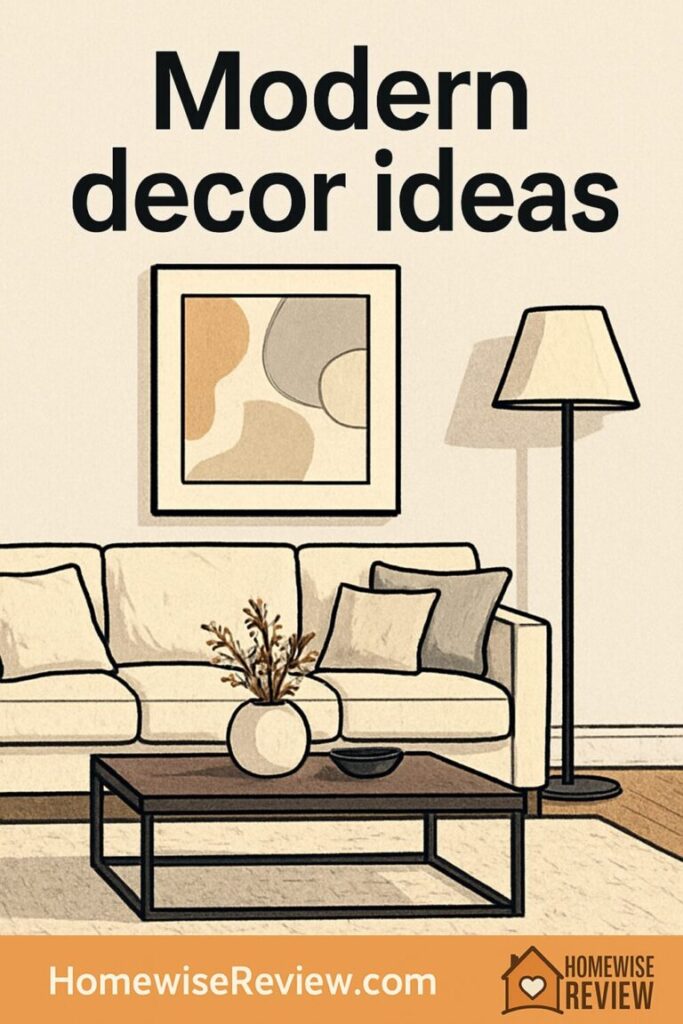
You want your home to feel clean, current, and intentional, but it is easy to get stuck with mismatched furniture and visual clutter. These modern decor ideas show how to refresh what you already own and add just a few smart upgrades for a calmer, more stylish space.
Modern decor is not about turning your home into a showroom. It is about creating spaces that feel calm, functional, and intentional, even if you have kids, pets, or a small apartment full of hand-me-downs.
This guide breaks modern decor into manageable steps you can apply to any room. You will learn what actually makes a home feel modern today, how to work with what you already have, and which changes give you the biggest visual payoff for your time and budget.
What makes decor feel modern today?
Modern decor is less about buying a certain brand of furniture and more about how a room looks and works as a whole. A modern space usually has a few clear traits:
- Clean lines and simple shapes instead of heavy ornamentation
- Plenty of open floor and wall space so the eye can rest
- A mostly neutral base with a few intentional color accents
- Good lighting at different heights, often with dimmers or smart controls
- Clutter kept out of sight so surfaces look calm and clear
If your home feels busy, dark, or a bit random, you can shift it toward a modern look without replacing everything. Start by simplifying, then add a few key pieces that support that clean, open feel.
Step 1: Clear visual clutter, not just stuff
Before you buy anything, reduce the visual noise in each room. This is the fastest way to get a more modern look using what you already own.
Work through one space at a time and focus on what you can see at a glance:
- Clear surfaces. Limit coffee tables, nightstands, and counters to one or two items each, such as a lamp and a tray or a plant and a book.
- Edit decor. Group similar items, then keep only the best few. For example, display two or three framed photos instead of ten.
- Hide small items. Use lidded boxes, baskets, or closed cabinets to store remotes, mail, toys, and chargers.
- Tame cords. Use cord covers, clips, or simple cable boxes to keep wires from visually chopping up walls and floors.
Even if you change nothing else, fewer objects in view will immediately make your rooms feel more modern and intentional.
Step 2: Choose a simple, cohesive color palette
Modern decor usually starts with a calm, neutral base and adds color in smaller, strategic doses. The goal is for your rooms to flow together, not feel like separate themes.
A simple method that works for almost any home:
- Pick a base neutral. This is the backdrop across walls, large furniture, rugs, and curtains. Soft white, warm beige, greige, or light gray all work.
- Choose one main accent color. Use it across pillows, throws, art, and smaller decor. Think muted blue, forest green, rust, or terracotta.
- Add a metal and a wood tone. For example, black metal and light oak, or brushed brass and walnut. Repeat them from room to room.
Walk through your home and notice what already repeats. If you see a lot of cool gray but want warmth, introduce one or two warmer elements in each room, such as wood frames, woven baskets, or warm-toned textiles, and quietly retire the coldest pieces over time.
Step 3: Anchor each room with clean-lined furniture
Furniture shapes set the tone for the whole space. You do not need ultra-minimal pieces, but you do want them to feel streamlined and not too fussy.
Look for or adapt pieces with these traits:
- Straight or gently curved lines instead of ornate carving
- Visible legs on sofas and chairs so you can see more floor
- Simple hardware on dressers and cabinets
- Solid or subtly textured fabrics instead of busy patterns
If you are working with older or traditional furniture, try these updates before replacing anything:
- Swap hardware. Changing ornate knobs to simple black, brass, or nickel pulls instantly modernizes a dresser or sideboard.
- Neutral slipcovers. A clean, fitted slipcover can make even a patterned sofa feel current.
- Edit extras. Remove one extra side table or bulky recliner to open the layout.
Pros of updating existing furniture: it saves money and keeps useful pieces out of landfills. The downside is that very oversized or heavily carved items can still dominate a room, so consider letting one large piece go if it blocks light or traffic.
Step 4: Layer lighting for a modern mood
Lighting is where many homes lose that modern, polished feeling. A single overhead fixture makes everything look flat and harsh. Modern decor relies on layers of light you can adjust throughout the day.
A simple formula for each room:
- Ambient lighting. Your main light source, such as a ceiling fixture or a pair of floor lamps.
- Task lighting. Focused lights for reading, cooking, or working, like table lamps or under-cabinet lights.
- Accent lighting. Soft lighting that highlights art, shelves, or architectural details.
Consider using smart bulbs or dimmable lamps so you can shift from bright and functional during the day to warm and cozy at night. Modern fixtures tend to have simple shapes, clear or opaque shades, and finishes like matte black, white, brass, or chrome. Swapping one dated fixture in a key room can dramatically change how modern your home feels.
Step 5: Add texture so modern does not feel cold
Sometimes modern decor gets a bad reputation for feeling sterile. The secret to a warm, inviting modern space is texture. You want contrast between smooth and soft, shiny and matte.
Mix a few of these elements in each room:
- Woven baskets, rattan, or cane details
- Chunky knit throws or linen blankets
- Wool, jute, or low-pile rugs
- Natural wood or stone accents
- Soft, matte ceramics and vases
Keep patterns simple and large scale so they do not fight with each other. For example, pair a solid sofa with a striped pillow and one abstract pillow, rather than several small, busy prints.
Step 6: Use art and decor with intention
Modern decor favors fewer, larger pieces over lots of small ones. This approach looks cleaner and feels more confident, even when your art is inexpensive or DIY.
Try these guidelines when decorating your walls and surfaces:
- Go bigger on the wall. One large print over the sofa usually looks more modern than a scattered collage of tiny frames.
- Group by type. Display books together, candles together, and plants together instead of sprinkling single items everywhere.
- Leave negative space. Not every wall or shelf needs something on it. Empty space is a design choice.
- Repeat materials. Choose one or two frame colors and use them throughout your home.
If you are unsure where to start, pick one statement piece for each main room, such as a large print, a sculptural vase, or a striking lamp, and keep everything else supporting that moment.
Step 7: Make small, high-impact updates on a budget
You do not need a full renovation for your home to feel modern. A few targeted updates can shift the whole mood of a space.
- Paint key areas. Freshen walls with a soft neutral, or paint interior doors a deep charcoal or warm black for a crisp contrast.
- Upgrade hardware. Swap dated cabinet knobs and pulls for simple, modern ones in a consistent finish.
- Refresh textiles. Replace heavy, patterned curtains with light, solid panels and update throw pillows to match your new palette.
- Use one large rug. In living rooms and bedrooms, a rug that reaches under at least the front legs of furniture makes the room feel larger and more intentional.
- Streamline the entry. A simple bench, hooks, and a tray or bowl for keys create an organized first impression.
Start with the spaces you use most, like the living room or bedroom. You will feel the payoff daily and stay motivated to continue.
Room-by-room modern decor ideas
Living room
The living room sets the tone for your home. Focus on seating, lighting, and one strong focal point.
- Float the sofa a few inches off the wall if possible and keep a clear walkway around it.
- Use a large coffee table or an ottoman instead of several small tables that chop up the space.
- Limit throw pillows to two or three on each sofa, mixing solid, textured, and one patterned option.
- Place at least two different light sources, such as a floor lamp and a table lamp, at opposite sides of the room.
Bedroom
A modern bedroom should feel restful, not busy. Simplify first, then layer comfort.
- Keep nightstands mostly clear, with just a lamp, a small dish, and one personal item like a book or framed photo.
- Choose a simple headboard or a clean-lined bed frame. If your bed is ornate, balance it with plain bedding.
- Use matching lamps or similar shapes on each side of the bed for a cohesive look.
- Stick to two or three colors across bedding, curtains, and rugs to keep the room calm.
Kitchen and dining area
In kitchens and dining spaces, modern decor is mostly about clear surfaces and consistent materials.
- Clear counters of rarely used appliances; store them in cabinets and keep only everyday essentials out.
- Use matching or coordinating containers for pantry staples instead of a mix of original packaging.
- Update bar stools or dining chairs to simple silhouettes with one consistent finish or color.
- Add a single centerpiece, such as a bowl, vase, or candle cluster, instead of multiple small items on the table.
Small spaces and rentals
Modern decor works especially well in small apartments and rentals because it emphasizes light, space, and flexibility.
- Choose furniture that does double duty, like a storage ottoman or a console table that also acts as a desk.
- Use rugs to define zones in open-plan spaces without adding walls.
- Rely on peel-and-stick options for temporary updates, such as removable wallpaper, backsplash tiles, or contact paper on dated surfaces.
- Hang art with removable strips and lean larger pieces against walls instead of drilling lots of holes.
See also
For an easy ambiance upgrade that instantly feels modern, combine the Philips Hue starter kit for smart lighting with a subtle scent from one of the best home scent diffusers.
- Explore neutral home fragrances that always feel fresh and modern for living rooms and entries.
- Choose washable rugs, throws, and linens that match a modern, low-maintenance home.
- Get inspired by compact vanity tabletop setups for small corners that fit clean, modern styling.
FAQ
How do I make my home look modern without buying all new furniture?
Start by decluttering surfaces and simplifying your color palette so your current furniture has a calmer backdrop. Then update small details that have a big impact, such as swapping hardware, adding modern lamps, and using larger, simpler rugs and curtains. If one piece still feels very dated or oversized, replace that single item rather than everything at once.
What colors work best for modern decor?
Modern decor tends to favor soft, flexible neutrals like white, beige, greige, or light gray for walls and big pieces. You can then layer in one or two accent colors, such as muted blue, green, rust, or terracotta, in pillows, art, and smaller decor. The key is consistency: repeat the same few colors through multiple rooms so the whole home feels connected.
How can I mix modern decor with traditional pieces?
Let your traditional pieces be the stars and keep everything around them simple. Pair a carved dresser with clean hardware and a plain round mirror, or balance an ornate bed with solid bedding and streamlined lamps. Stick to a neutral palette, repeat one or two materials, and avoid adding more decorative details so the room does not feel crowded.
How do I decorate a small apartment in a modern style?
Choose furniture that is scaled to your space and raised on legs so more floor is visible. Use light colors on walls and large pieces, then define zones with rugs and lighting instead of large dividers. Keep decor minimal but intentional and rely on closed storage, baskets, and under-bed containers to keep everyday clutter out of sight.
What is the difference between modern and contemporary decor?
Modern decor usually refers to a specific style rooted in mid-20th-century design, with clean lines, minimal ornamentation, and functional shapes. Contemporary decor simply means what is current right now, which may include modern elements along with other influences. For most homes, focusing on simple lines, edited decor, and a cohesive color palette will feel both modern and contemporary enough.
As an Amazon Associate, we earn from qualifying purchases made through links on our site.