Why Blue Light Defense in Makeup Became Impossible to Ignore
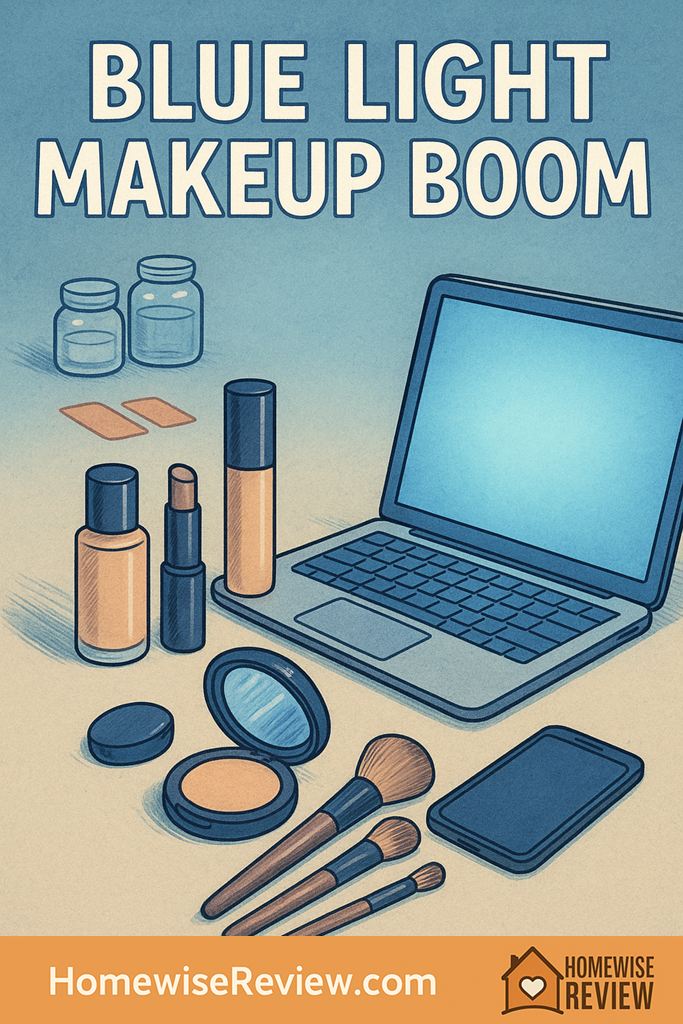
Blue light defense makeup took off for a reason: rising screen time, visible-light research, and iron-oxide formulas made the claim stick.

Gather • Grow • Give
Gather • Grow • Give
Tutorials and buyer’s tips for makeup, skincare, hair tools, and fragrance. Clear steps plus what to know before buying.
Blue light defense makeup took off for a reason: rising screen time, visible-light research, and iron-oxide formulas made the claim stick.
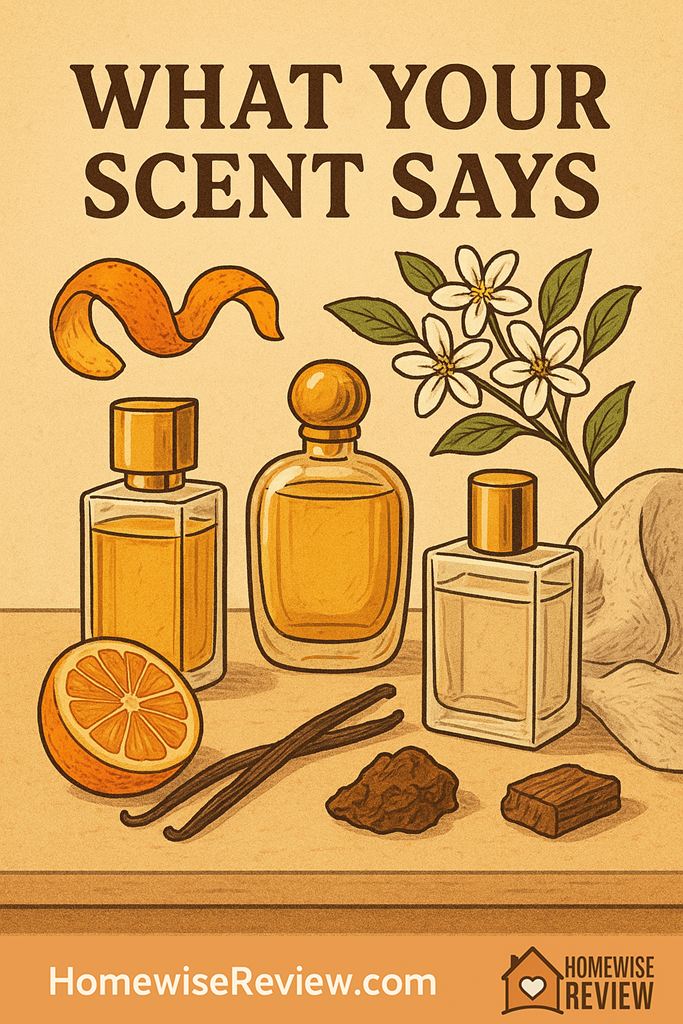
Research on smell, memory, and variety-seeking suggests fragrance taste reveals how people regulate mood, signal identity, and handle change.
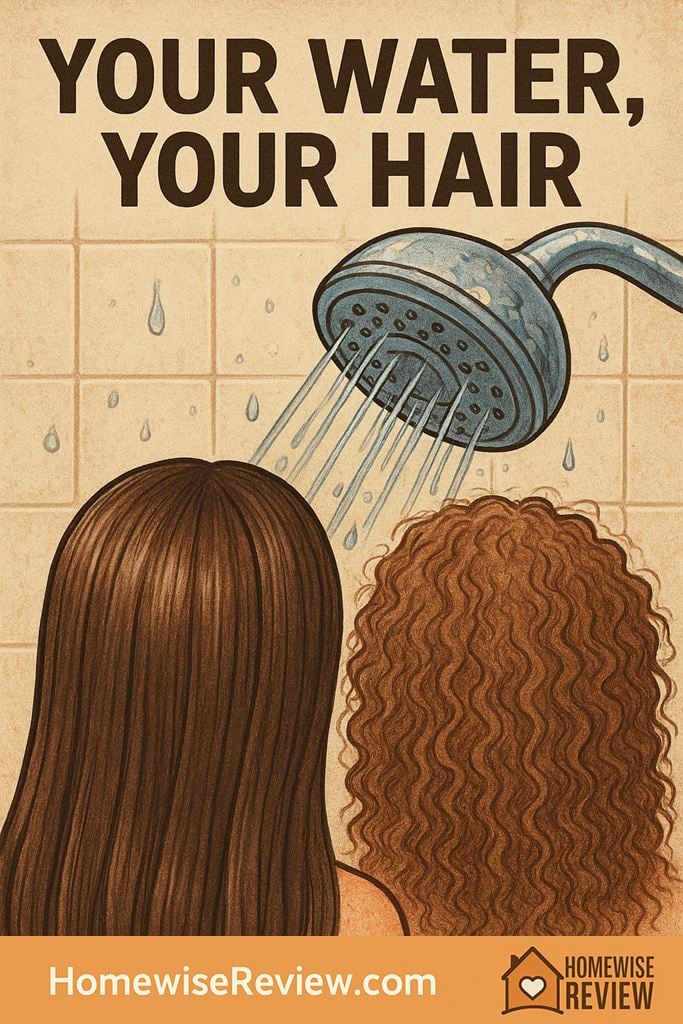
Hardness, metals, and pH can change shine, texture, and manageability long before your shampoo is truly the problem.

Niacinamide jumped from serum shelves into primers, foundations, and concealers. Search data, category growth, and skin science explain why.
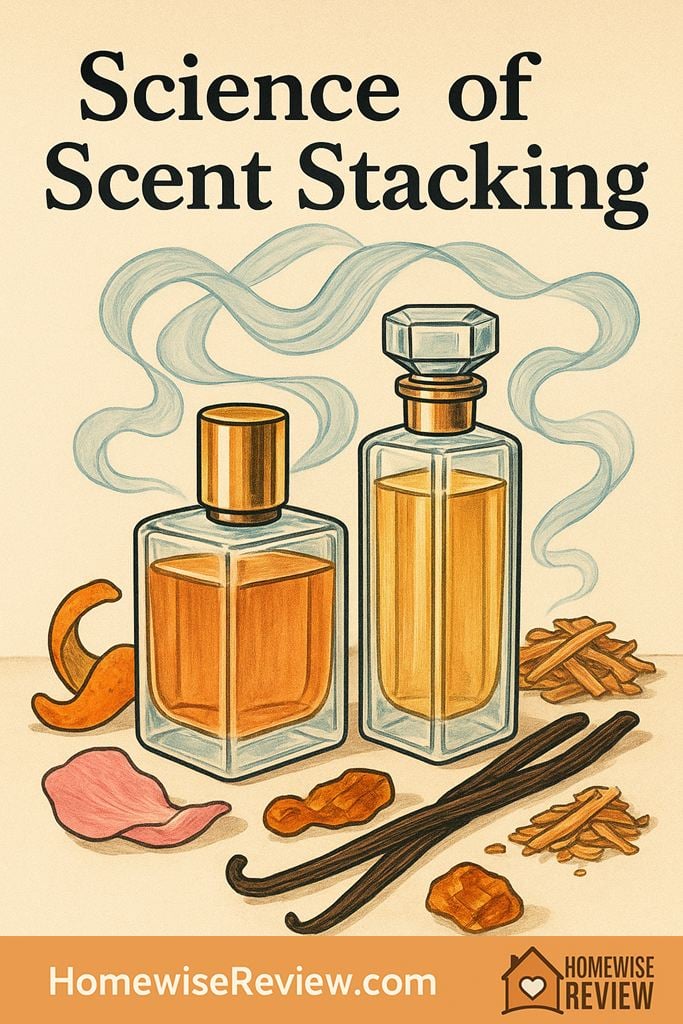
From olfactory white to note volatility, the science behind fragrance layering explains why some perfume pairings bloom and others turn muddy.
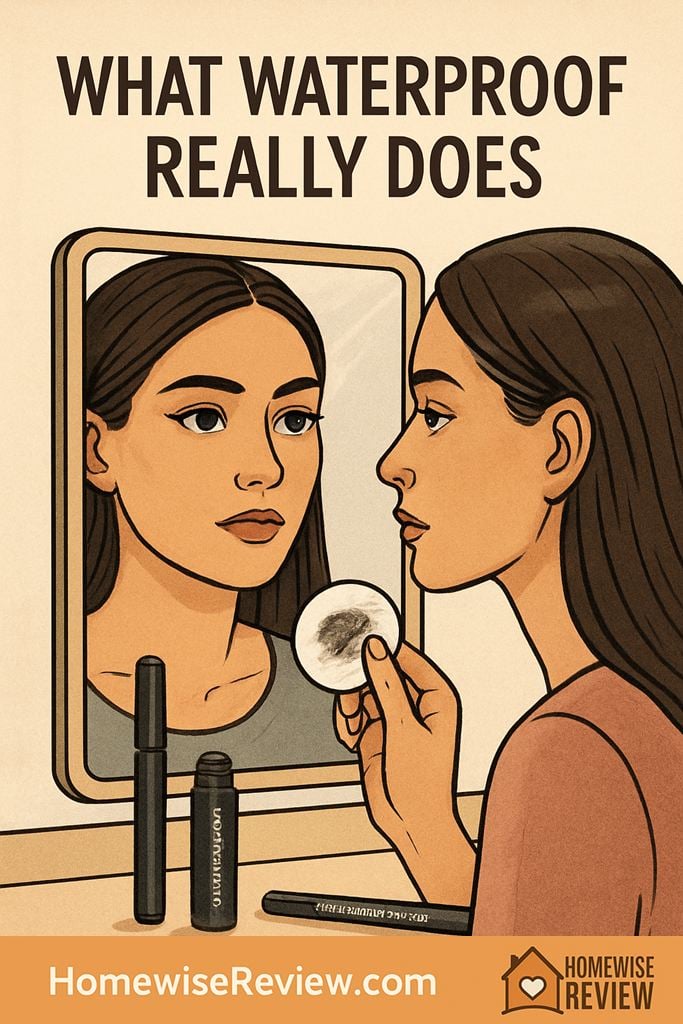
Waterproof makeup is less about swimming than transfer control, humidity resistance, and smarter wear. The data shows why the label helps and where it misleads.
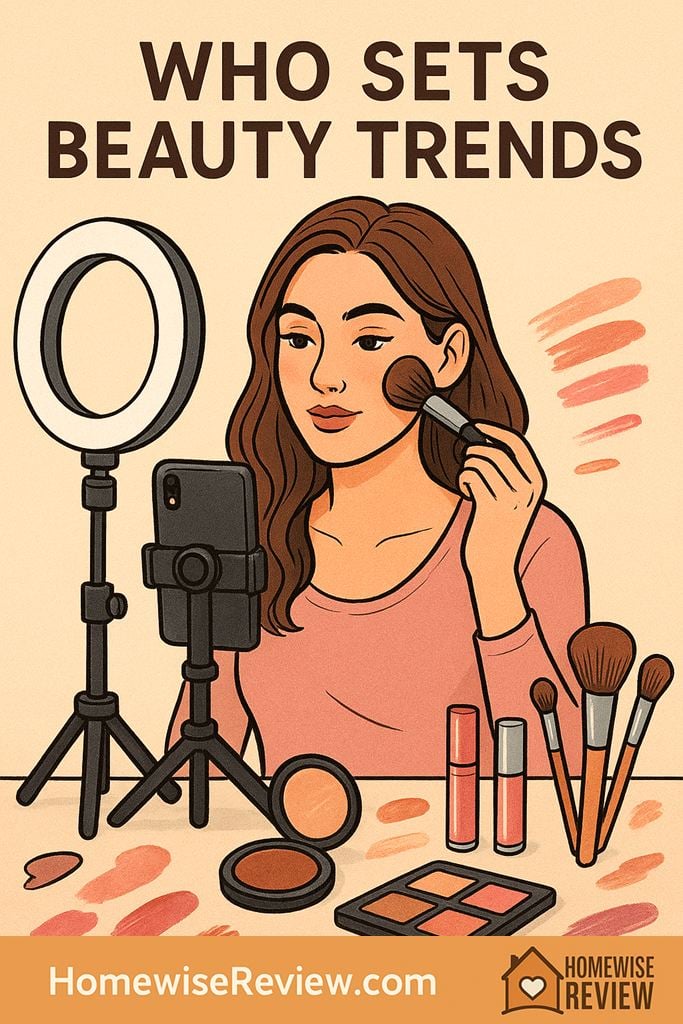
Short-form video turned beauty from product marketing into aesthetic storytelling. Market sales, platform usage, and search data all show how influencers set the pace of what feels current and what sells.
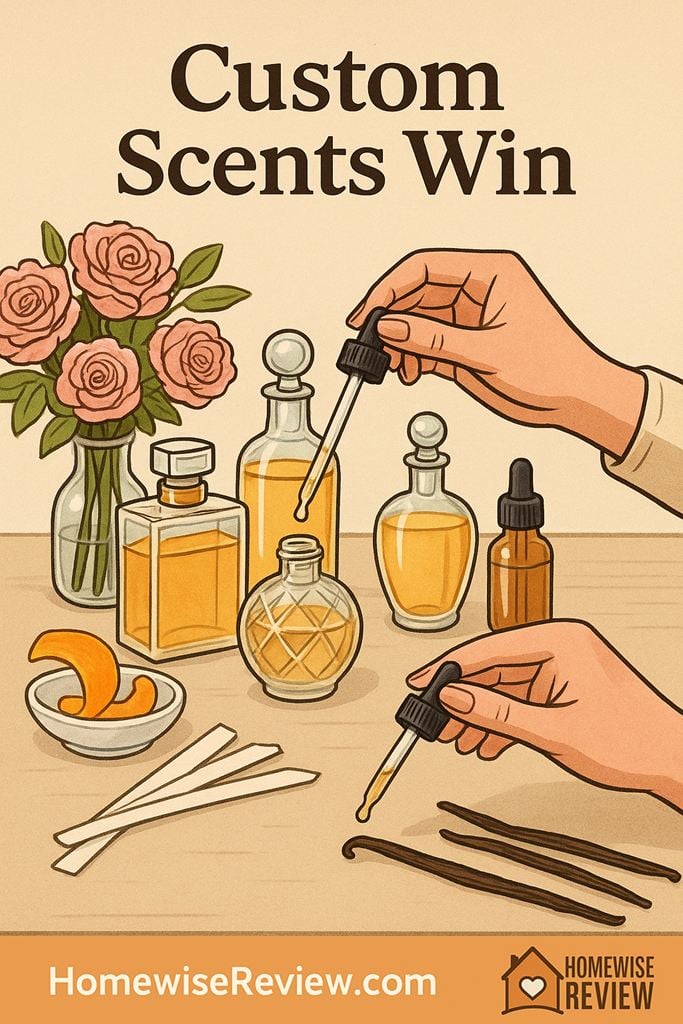
Personalization data keeps clustering around the same threshold: roughly three in four consumers want experiences that feel tailored. In fragrance, that preference gets even stronger because scent is tied to identity, memory, skin chemistry, and the desire not to smell like everyone else.
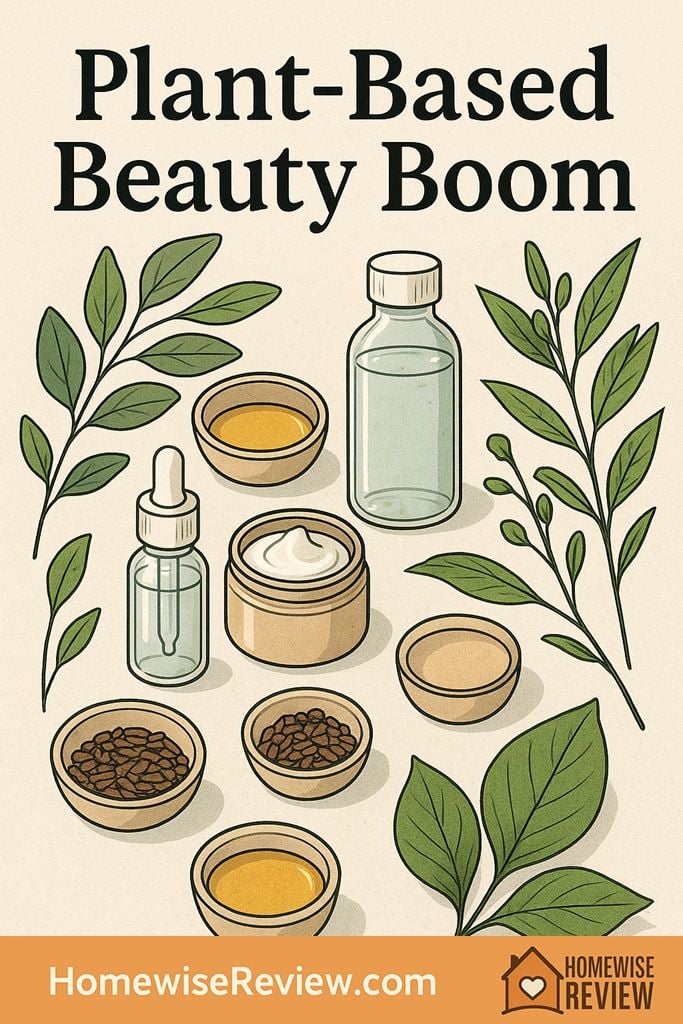
A data-backed look at the market growth, search behavior, and consumer psychology that turned vegan beauty from a niche label into a mainstream force.