
Liquid Ashwagandha Drops and Tinctures: 4 Compared From Their Labels
Four liquid ashwagandha extracts and drops compared from their listings, with label-reading tips and the safety points to raise with a doctor or pharmacist. Not medical advice.

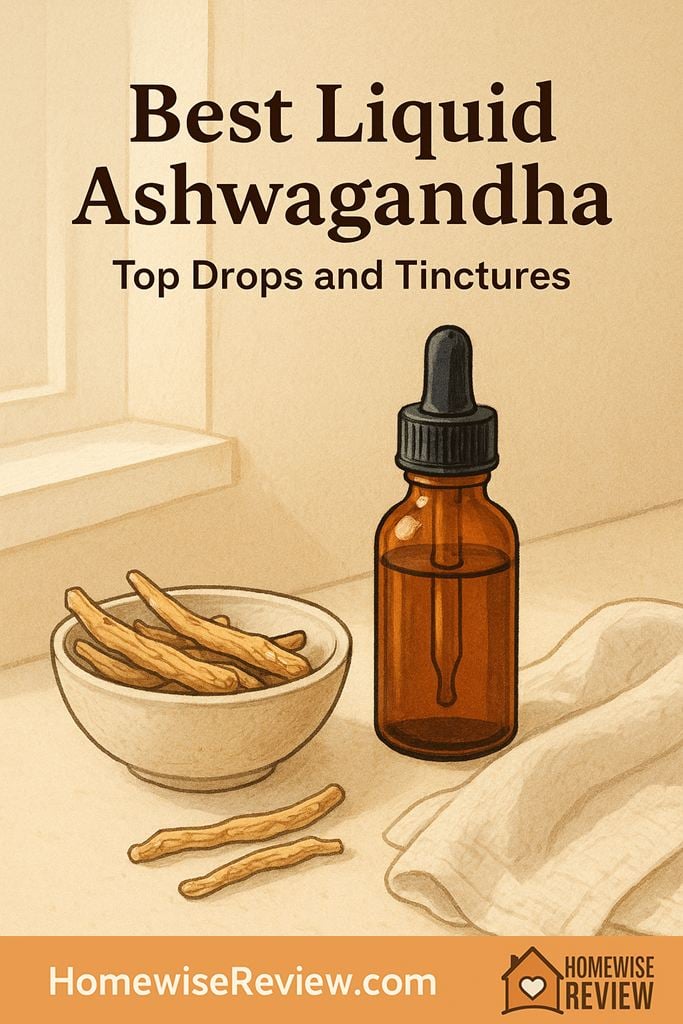
An ashwagandha root liquid extract (tincture) in a 1 oz bottle, per the listing. The label gives the ingredients and directions.
On this page
Liquid ashwagandha products differ in the plant part, the base (alcohol or glycerin), the bottle size and the amount per serving. This page compares four from their listings and labels. It is not medical advice and does not say that ashwagandha reduces stress, improves sleep or helps any condition. Do not use it if you are pregnant or breastfeeding (NCCIH); ask a doctor or pharmacist first if you have a thyroid or autoimmune condition or take medication.
In-depth Reviews
Herb Pharm Organic Ashwagandha Liquid Extract
- Liquid extract (tincture), per the listing
- Organic, per the product name
- Check the label for directions and the amount per serving
- Check the label for the base; some liquid extracts contain alcohol
- Ask a pharmacist about interactions with medicines
MaryRuth’s Ashwagandha Liquid Drops
- Liquid drops, per the listing
- 590 mg of ashwagandha, per the listing; check the serving size on the label
- Check the label for directions
- Check the label for the base and any added ingredients
- Ask a pharmacist about interactions with medicines
Nature’s Answer Ashwagandha Root Fluid Extract
- Liquid fluid extract, per the product name
- Check the label for the ingredient list
- Check the current price and size on the listing
- Check the label for the base and any added ingredients
- This page links to a search; confirm the product and size
Hawaii Pharm Ashwagandha Liquid Extract
- Listed in several sizes and pack counts
- Check the label for directions and the amount per serving
- Check the label of the version you choose for the base
- Which version you buy matters, so you need to read the label carefully
- The base differs by version; check the label
Buying Guide
Label checks for liquid ashwagandha
Follow the label directions. The label gives the amount per serving and how to take the product, including whether to dilute it. This page does not give a dose, a schedule or a time of day. Ashwagandha can cause drowsiness, stomach upset, diarrhea or vomiting in some people; if that happens, stop using it and contact your health care provider.
Check the base. Liquid extracts differ in their base: some contain alcohol and some are alcohol-free, often glycerin-based. If you avoid alcohol for any reason, check the label and ask a doctor or pharmacist.
Tell your doctor or pharmacist. Ashwagandha might interact with medicines for diabetes and high blood pressure, immunosuppressants, sedatives, anticonvulsants and thyroid hormone medications. Tell your doctor or pharmacist what you take, including other supplements, and bring the label to your next appointment.
Worth Knowing Before You Buy
Alcohol-based and alcohol-free liquid extracts differ in their base, and the label lists which one a product uses. If you avoid alcohol for any reason, choose by the label and ask a doctor or pharmacist. This page does not say that either type suits any person better.
💡 Editor’s Final Thoughts
Summary: Herb Pharm Organic Ashwagandha Liquid Extract is the first product listed, as a liquid extract in a 1 oz bottle. This page compares four products from their listings and does not rank them for results. Check the current label of each, including MaryRuth’s Ashwagandha Liquid Drops, which the listing describes as ashwagandha root liquid drops.
See also
If you are building a routine that changes with your season of life (and the actual season), check out our guide to seasonal routine swaps, and pair it with our once-a-week reset products guide for an easy reset rhythm.
- Skincare routines that work on an overnight schedule
- A simple long-haul flight beauty routine that stays sanitary
Frequently Asked Questions ▾
How should I take liquid ashwagandha?
Follow the directions on the label; this page does not give amounts, timing or a routine. Some labels describe diluting the liquid in water or a drink, and if yours does, follow it. This page has not tested taste.
Is liquid ashwagandha stronger or faster than capsules?
This page cannot say. Liquid or capsule changes the form, not necessarily the strength. Products differ in the plant part, the type of extract and the amount of ashwagandha per serving, and the label lists these. Ask a doctor or pharmacist how one product compares with another.
When should I take ashwagandha drops, morning or night?
This page does not recommend a time of day. The label gives directions, and ashwagandha can cause drowsiness in some people. Ask a doctor or pharmacist about timing, especially if you take sedatives or other medicines.
What is the difference between alcohol-based and alcohol-free liquid ashwagandha?
Alcohol-based tinctures use alcohol as part of the base, and alcohol-free liquids are often glycerin-based; the label lists the base. If you avoid alcohol for any reason, check the label and ask a doctor or pharmacist. This page does not say that one base is better for any person.
Who should avoid ashwagandha or ask a clinician first?
The National Center for Complementary and Integrative Health says ashwagandha should be avoided during pregnancy and should not be used while breastfeeding, is not recommended for people who are about to have surgery or who have autoimmune or thyroid disorders, and should be avoided by people with hormone-sensitive prostate cancer. It might interact with medicines for diabetes and high blood pressure, immunosuppressants, sedatives, anticonvulsants and thyroid hormone medications, and rare cases of liver injury have been linked to ashwagandha supplements. Ask a doctor or pharmacist before using it, and stop using it and contact a health care provider if you feel unwell.
As an Amazon Associate, we earn from qualifying purchases made through links on our site.
Before you use any of these
Follow the directions on the label, and if you have side effects, stop using the product and contact your health care provider. Many supplements have not been tested in pregnant women, nursing mothers or children, and some can interact with medicines or matter before surgery, so check with a doctor or pharmacist first.
Independent testing programs such as USP and NSF publish their own standards. If a testing mark matters to you, look up the exact product in the program's own listing rather than relying on a label or a web page.
The National Center for Complementary and Integrative Health says ashwagandha should be avoided during pregnancy and should not be used while breastfeeding, is not recommended before surgery or for people with autoimmune or thyroid disorders, may interact with some medicines, and has been linked in rare cases to liver injury. Ask a doctor or pharmacist before using it.
Sources and further reading: FDA: information for consumers on using dietary supplements; NCCIH: using dietary supplements wisely; USP; NSF; NCCIH: ashwagandha, usefulness and safety.