Top 5 Allergenic Ingredients in Makeup: What You Need to Know Now
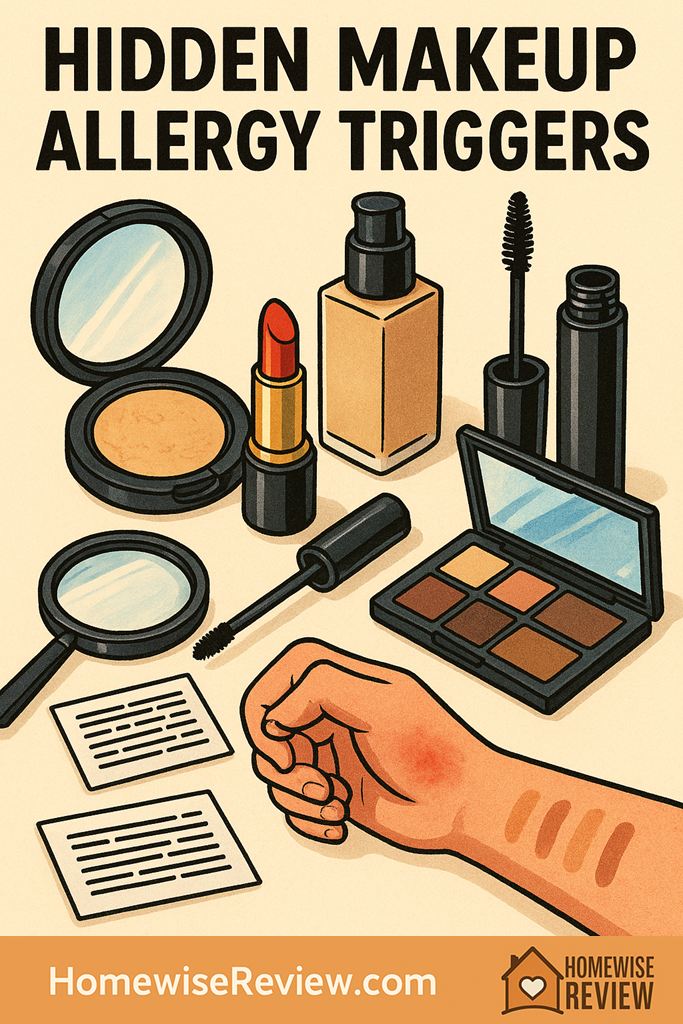
Fragrance, preservatives, metals, acrylates, and lanolin account for a surprising share of makeup reactions. Here is the data-focused guide to spotting the biggest triggers faster.

Gather • Grow • Give
Gather • Grow • Give

Fragrance, preservatives, metals, acrylates, and lanolin account for a surprising share of makeup reactions. Here is the data-focused guide to spotting the biggest triggers faster.
Search data and beauty sales show why 2023's oddest skincare terms, from slugging to skin cycling, turned into mainstream habits.

From platinum overload to traction damage, the biggest celebrity hair fails keep tracing back to the same few habits. The research behind them makes the lessons much more useful than the headlines.
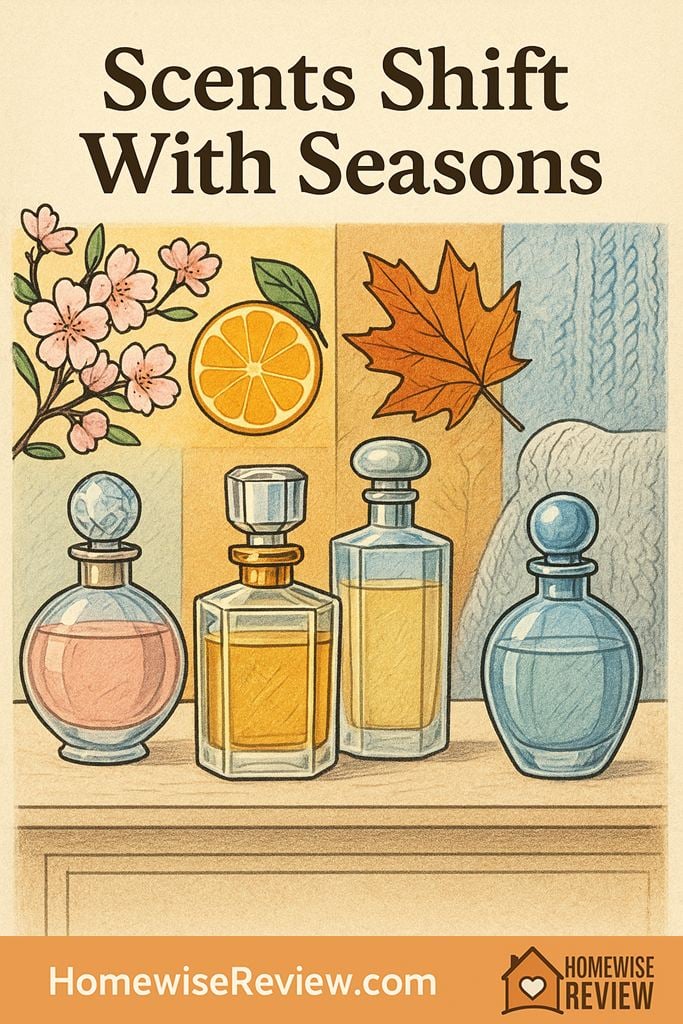
Google Trends data shows fragrance preferences shift with the calendar more predictably than most people think, from fresh summer notes to richer cold-weather favorites.
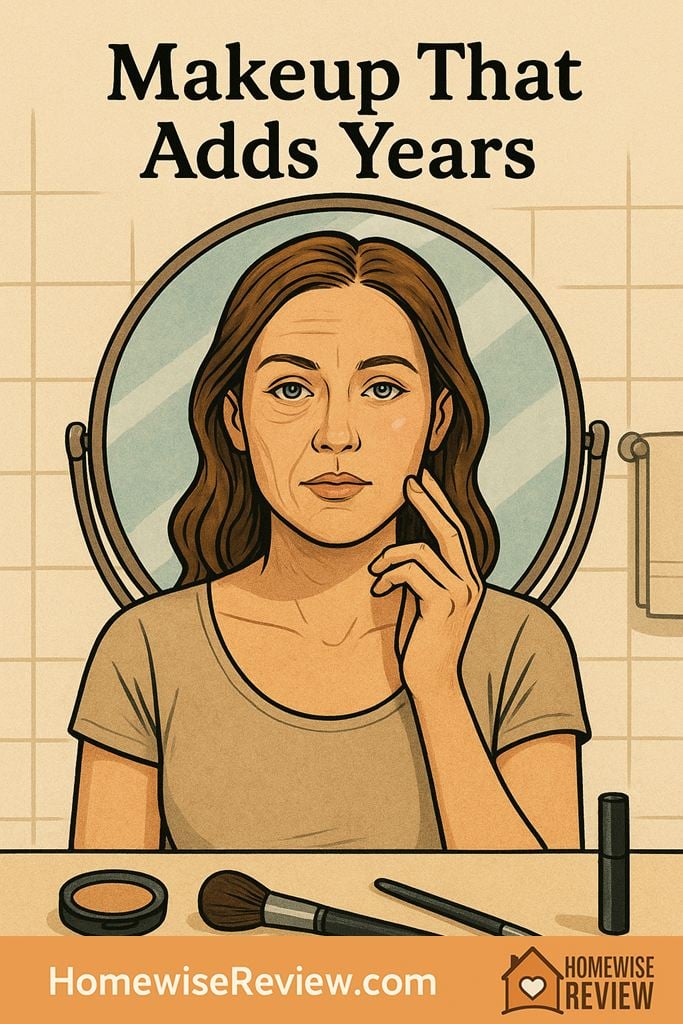
The research is surprisingly blunt: too much base, too little contrast, and skipped sunscreen can make makeup look older faster than any trend does.

The superfood spike was less about hype than about iron, protein, fiber, and convenience colliding in the same grocery aisle.
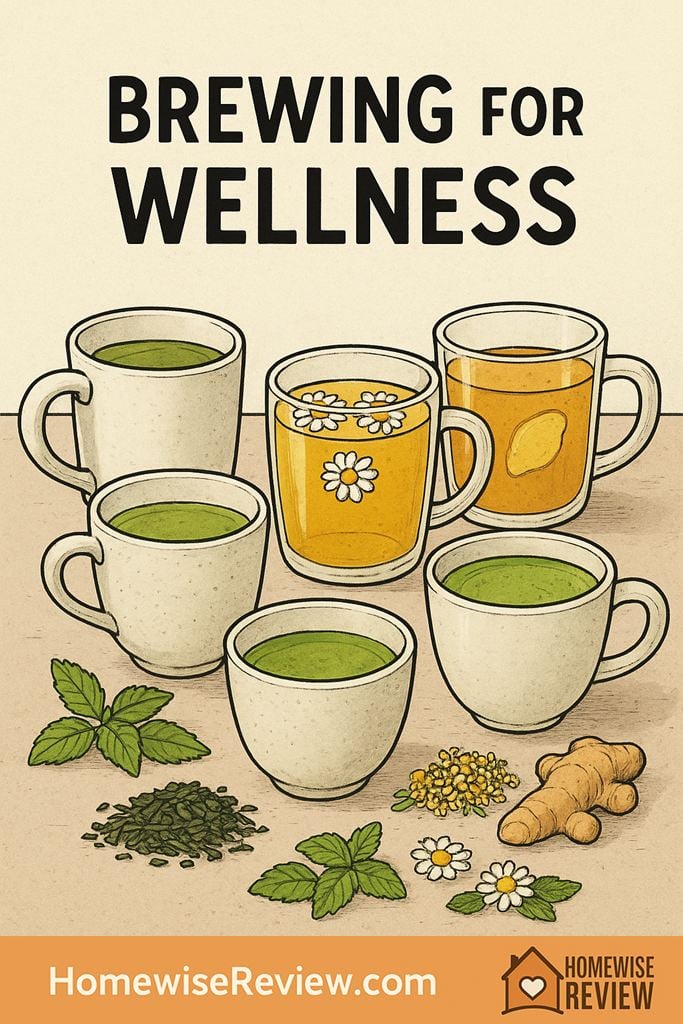
One 2023 survey estimate put 55% of women in the tea-for-wellness camp, and broader market data helps explain why green tea, chamomile, ginger, peppermint, and matcha stood out.
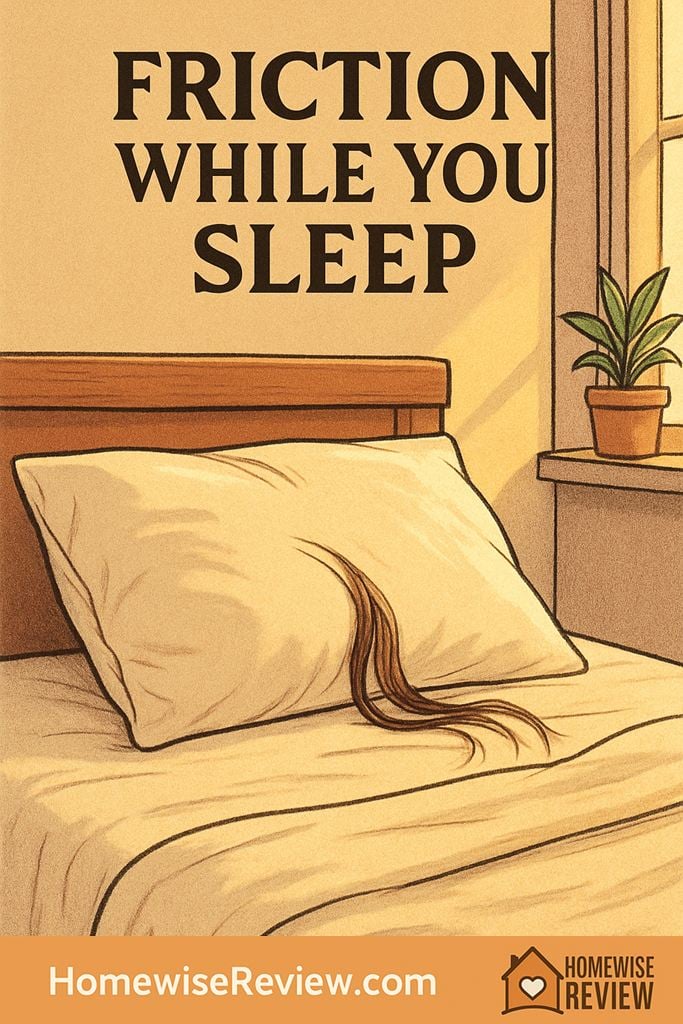
The 90% claim is internet shorthand, but data on friction, cuticle wear, and overnight hair damage explains why silk pillowcases keep showing up everywhere.
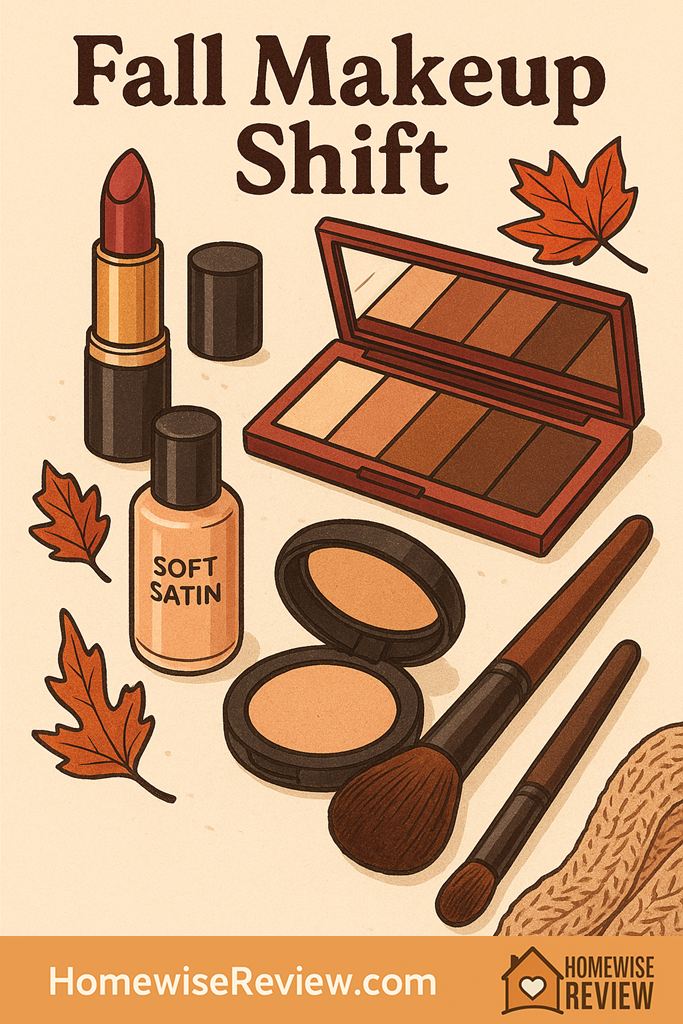
Our reader data shows fall makeup is shifting toward smoother skin, deeper tones, and longer wear, with base products leading the biggest seasonal change.
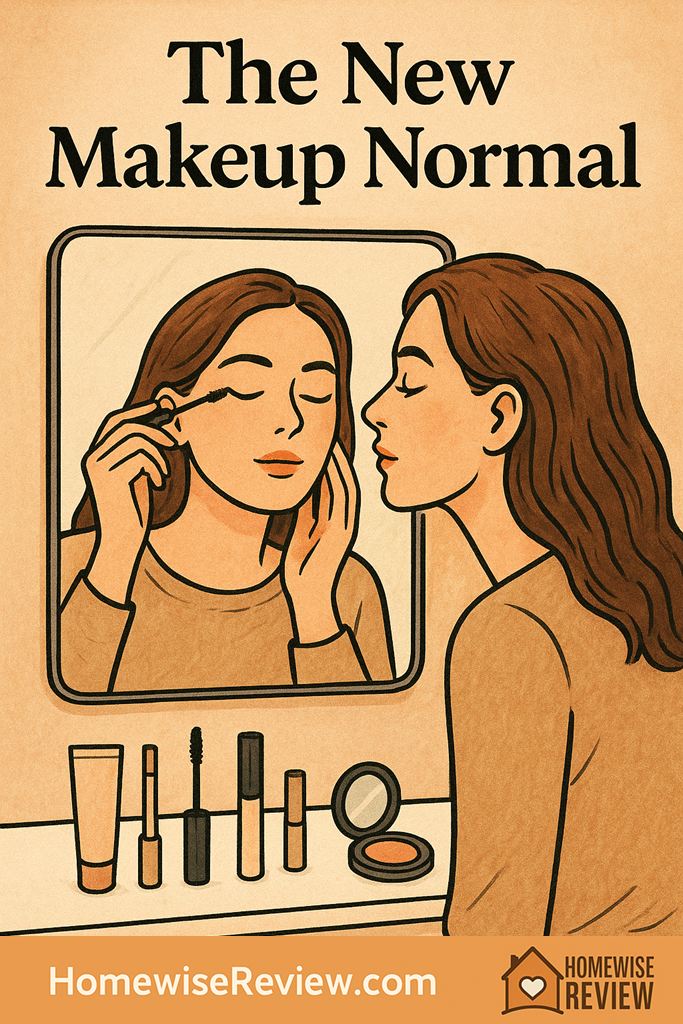
Only 8% of women said their makeup routine had fully returned to normal, and that single number explains why post-pandemic beauty still looks different.