

A fragrance-free, rich cream that soothes and protects reactive, eczema-prone skin without irritation.
We may earn a small referral fee
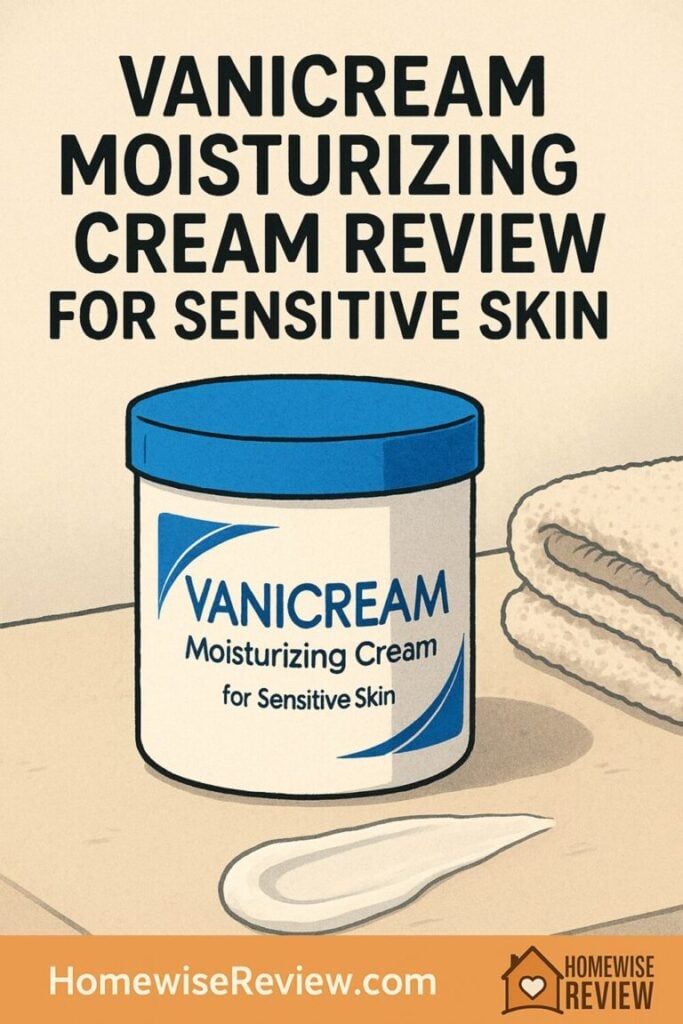
If your skin objects to almost everything, Vanicream Moisturizing Cream is the quiet, fragrance-free workhorse many dermatologists reach for. Here is how it actually performs on sensitive faces and bodies, what to expect from the texture, and how to get the best results without flare-ups.
🆕 2026 Product Update
In 2026, Vanicream Moisturizing Cream remains a steady pick for fragrance-sensitive, eczema-prone skin thanks to its minimalist formula and consistently good tolerability. The biggest shift is packaging and preference: many readers now choose the pump version for easier, more hygienic use, while the tub still offers the best value. If you want a similar “no extras” feel but a lighter finish for daytime, Vanicream’s lotion options have become a common companion rather than a replacement.
Overview
Vanicream Moisturizing Cream is a classic rich cream designed for sensitive and reactive skin. It is fragrance free, dye free, lanolin free, and formulated without parabens, formaldehyde, or formaldehyde releasers. The idea is simple skin care that does not rely on potential irritants or showy actives, just reliable emollients and occlusives that help reduce transepidermal water loss and calm dryness. It is widely recommended by dermatology professionals and carries the National Eczema Association Seal of Acceptance.
The cream comes in multiple sizes, including a large tub that is easy to keep by the sink and a tube that travels well. A pump-top jar option is available and is the most hygienic way to use it for frequent face application. This review focuses on the Moisturizing Cream in the tub or pump jar, which is different from the brand’s Daily Facial Moisturizer. The Daily Facial Moisturizer includes added humectants and ceramides and has a lighter lotion texture. The Moisturizing Cream is thicker and more occlusive, which is why it excels at calming dry, easily irritated skin on both the face and the body.
In use, Vanicream is best described as a petrolatum-forward barrier cream with a short ingredient list. You will not find added fragrance or botanical extracts, which is exactly the point. If you are looking for a treatment cream for hyperpigmentation or fine lines, this is not it. If you want comfort, itch relief, and a strong protective layer that plays nicely with sensitive skin, this product shines. It is also cost effective per ounce compared to many boutique sensitive-skin creams, which matters if you plan to use it generously on hands and body.
Who it’s for
Vanicream Moisturizing Cream is a smart pick if you identify with any of the following:
- Your skin reacts to fragrance, dyes, or essential oils.
- You experience eczema, atopic dermatitis, or frequent itch and flaking.
- You are using prescription retinoids, benzoyl peroxide, or exfoliating acids and need a simple buffer to reduce irritation.
- You prefer minimalist formulas without long lists of plant extracts or potential allergens.
- You need one product that can cover both face and body without stinging after shaving or hot showers.
It may not be your first choice if you want a barely-there gel cream, you dislike a rich or slightly occlusive finish, or you are shopping for visible anti-aging actives in the moisturizer itself. Those with very oily or acne-prone skin can still use Vanicream, but a thin layer and smart placement are important. Petrolatum is noncomedogenic, but the overall richness can feel heavy if you prefer weightless textures. Warm climates and mid-day wear under makeup can also be tricky unless you fine tune the amount and allow enough set time.
How it feels and performs
Texture first. Vanicream Moisturizing Cream is thick, scoopable, and cushiony. There is no fragrance and no masking fragrance. On contact, it spreads best over damp skin and creates a soft, slightly waxy film that locks in water. On the face, expect a dewy sheen immediately after application that settles to a comfortable, satin occlusive finish within 5 to 15 minutes, depending on how much you used and how damp your skin was. On the body, it leaves a protective layer that makes dry arms, legs, hands, and feet feel less tight right away.
Hydration performance is excellent for a simple formula. The cream does not pretend to be a humectant serum, yet it noticeably reduces tightness and flaking by sealing in water and supporting the skin barrier. Eczema patches tend to feel calmer with less itch. Over a week or two of regular use, many people notice fewer post-shower flare-ups and far less hand soreness from frequent washing. If your barrier is compromised from active treatments like retinoids, Vanicream helps you continue those routines by reducing stinging and dryness.
Makeup compatibility is good with a few caveats. Used sparingly and given time to set, the cream sits well under mineral and chemical sunscreens and does not usually pill. If you experience pilling, apply less, use it on slightly damp skin, and give a few minutes before sunscreen or base makeup. Products with heavy silicone content sometimes increase the chance of pilling when layered directly over a thick coat. In that scenario, apply a lighter amount of Vanicream, then use a flexible, thin sunscreen. Blotting once with tissue after the cream has settled can also improve the finish under makeup.
Comfort during a flare is where this product stands out. When skin is screaming, many moisturizers sting. Vanicream is usually sting-free. That said, a small slice of people are sensitive to common solvents like propylene glycol or certain fatty alcohols, which are often found in moisturizers of all types. If you know you react to these, patch test on the inner forearm for a few days before applying to your whole face.
Longevity is strong. An evening layer still feels present in the morning, which is exactly what barrier creams should do overnight. On hands, a generous coat after washing lasts through a couple of light rinses, though you will want to reapply after soap. On feet and elbows, it softens roughness in a few nights when paired with cotton socks or long sleeves to reduce rubbing off on sheets.
How to use for best results
For the face in the evening: cleanse with a gentle, non-stripping cleanser, pat until skin is damp rather than wet, then smooth a pea to blueberry size amount of Vanicream between your fingertips and press it over the face and neck. If you use retinoids or exfoliating acids, try the moisturizer sandwich method. Apply a thin layer of Vanicream, allow it to settle, apply the active, then finish with another thin layer of Vanicream. This often cuts irritation without noticeably reducing effectiveness. If your skin is very dry, apply a hydrating serum first, then seal with Vanicream. Avoid mixing strong actives directly into the cream in your palm since that can change how both products perform.
For morning routines: use a much smaller amount and give it at least five minutes to settle before sunscreen. If your sunscreen tends to pill, apply Vanicream on damp skin, wait, then use a light, spreadable sunscreen. You can blot once with tissue before makeup. If your T-zone is oily, restrict Vanicream to dry areas and use a lighter lotion on the center of the face.
For the body: apply within three minutes of showering or bathing to trap water. This is the key step that makes a thick cream like Vanicream feel smoother and work harder. On hands, keep a pump jar by the sink and use a pea size after every wash. For feet, apply a generous coat before bed and wear cotton socks. For eczema patches, apply Vanicream after any prescribed topical medication unless your prescriber suggests otherwise. The cream can help reduce friction and keep medicated areas from drying out.
Hygiene and packaging: the pump jar is easiest to keep clean. If you use the standard tub, store a few small cosmetic spatulas nearby and wash them regularly. Avoid scooping with wet hands. If you travel, transfer a small amount to a clean travel pot or buy the tube size to cut down on contamination and add convenience.
Seasonal adjustments: in winter, lean into a richer layer at night and consider adding a hydrating serum underneath for extra slip. In summer, thin the cream by smoothing it over damp skin and using less. You can also emulsify a drop or two of water with the cream in your palm to create a thinner texture for daytime without changing the core formula on your skin.
Pros and cons
- Pros: exceptionally gentle, fragrance and dye free, short ingredient list focused on barrier support, face and body friendly, great value for the size, and widely available in a hygienic pump jar.
- Pros: usually sting free on compromised skin, excellent overnight occlusion for dry and eczema-prone areas, and easy to layer with prescription actives to reduce irritation.
- Pros: no botanical extracts or essential oils, which lowers the risk of reactive flares in sensitive users.
- Cons: thick and occlusive, which can feel heavy for oily or combination skin during the day.
- Cons: lacks bells and whistles such as ceramides, peptides, or hyaluronic acid, so you may want to pair it with a separate hydrating serum.
- Cons: the standard tub requires spatulas or very clean hands to avoid contamination over time.
- Cons: can pill under silicone-heavy products if applied too generously or layered too quickly.
- Cons: a small number of people may be sensitive to certain common cream components, so patch testing is wise.
Final verdict
Vanicream Moisturizing Cream earns its reputation as a dependable, irritation-minimizing staple. It is not flashy, and that is its strength. If your priority is comfort and barrier repair rather than cosmetic actives, it delivers consistent relief at a fair price and does so with fewer potential triggers than most alternatives. It excels as an evening face moisturizer for sensitive and retinoid users, as a daily hand and body cream for eczema-prone skin, and as a recovery product after shaving, cold weather, or chlorinated pools.
If you want a barely there finish or a formula loaded with targeted actives, this will not be your hero. If you want one jar that brings down itch, seals in moisture, and keeps your routine calm and predictable, Vanicream Moisturizing Cream is easy to recommend. Choose the pump jar for best hygiene, apply to damp skin, and let the simple formula do exactly what it is built to do.
See also
Comparing rich, sensitive-skin staples side by side can help. If you are torn between two classics, our in-depth CeraVe Moisturizing Cream Review breaks down how ceramides and a slightly lighter feel stack up against Vanicream. If you want to see where Vanicream sits among top picks, our guide to the Best Moisturizer for Sensitive Skin maps out textures, ingredients, and use cases. Rounding out a gentle routine starts at the sink, so do not miss our expert picks for the Best Face Cleansers for Sensitive Skin.
Building a calm body routine can make an even bigger difference during dry seasons. Pair your face care with a soothing bath strategy and one of the winners in our Best Body Wash for Sensitive Skin roundup, then lock everything in with options from our Best Body Lotion for Sensitive Skin guide.
FAQ
Is Vanicream Moisturizing Cream safe to use on the face if I have acne-prone sensitive skin?
Yes, most people with acne-prone sensitive skin tolerate it well because petrolatum is noncomedogenic and the formula avoids fragrance, dyes, and essential oils. The texture is rich though, so start with a thin layer on damp skin and focus on dry areas. If your T-zone is oily, use a lighter lotion there and reserve Vanicream for the cheeks and neck. Patch test on the jawline for several nights to be sure it plays nicely with your routine.
How does Vanicream Moisturizing Cream compare to CeraVe Moisturizing Cream for sensitive skin?
Vanicream is the simpler, more occlusive option with a short ingredient list and no added actives beyond emollients and occlusives. CeraVe Moisturizing Cream includes ceramides and hyaluronic acid for added barrier support and a bit more slip. Texture wise, Vanicream feels thicker and more protective, while CeraVe tends to spread a little easier and settles with a slightly lighter finish. Both are excellent for sensitive skin. Choose Vanicream if you want the fewest potential triggers and maximum occlusion, or choose CeraVe if you prefer added barrier ingredients in the moisturizer itself.
Can I use Vanicream Moisturizing Cream with retinoids, benzoyl peroxide, or exfoliating acids?
Yes. Use the moisturizer sandwich method to reduce irritation. Apply a thin layer of Vanicream on slightly damp skin, wait a few minutes, apply your active, then finish with another thin layer of Vanicream. This cushions the skin and often reduces stinging and peeling without greatly affecting results. If pilling occurs, reduce the amount of cream and give each layer extra time to set.
Does Vanicream Moisturizing Cream work under sunscreen and makeup?
It does, provided you use a small amount and allow full absorption. Apply to damp skin, wait 5 to 10 minutes, then add sunscreen. If you notice pilling under silicone-heavy formulas, cut the amount of cream, choose a more fluid sunscreen, and blot gently with tissue before makeup. For humid days, apply only on dry areas and skip the T-zone.
Is Vanicream Moisturizing Cream suitable for children and eczema-prone skin?
Yes. The formula is designed for sensitive skin and is accepted by the National Eczema Association, which makes it a common choice for families. It is not medicated, so for active flare-ups follow your clinician’s treatment plan first, then seal with Vanicream to reduce moisture loss. For infants or very young children, consult your pediatrician if you have any concerns and always patch test before wider use.
As an Amazon Associate, we earn from qualifying purchases made through links on our site.