

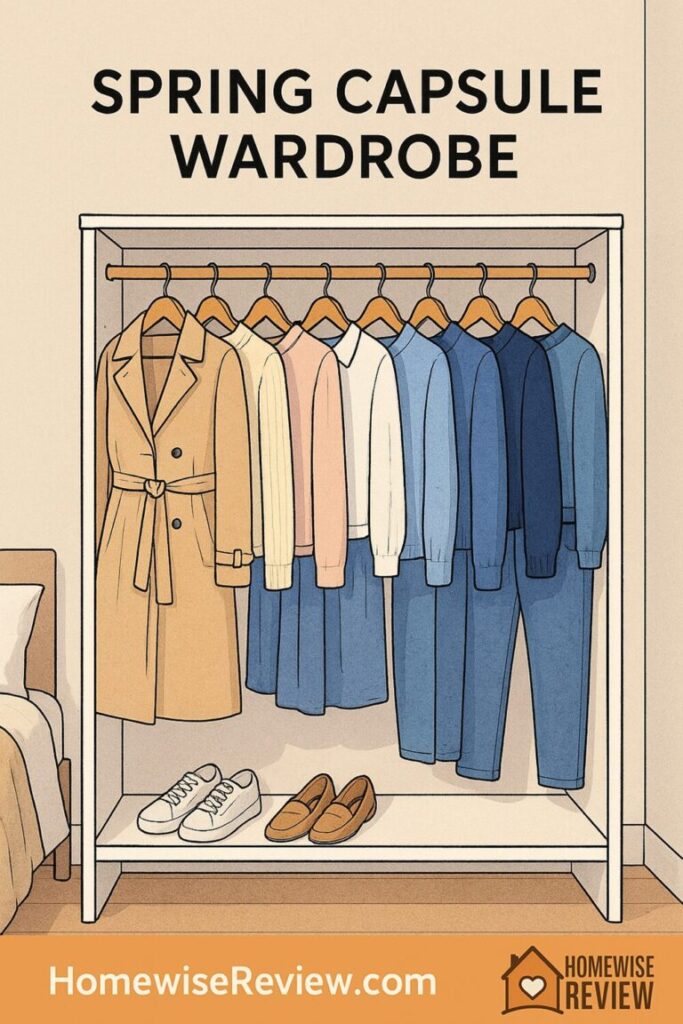
If your closet is stuffed yet you still feel like you have nothing to wear each spring, a tight, well planned capsule can reset everything. A spring capsule wardrobe cuts the noise so you can dress quickly, feel like yourself, and actually wear what you own.
Spring can be the hardest season to dress for. The weather swings, colors shift, and half your closet suddenly feels too heavy or too bare. A spring capsule wardrobe solves that by giving you a small, flexible set of clothes that mix easily and feel right for the season.
This guide walks you through building a realistic spring capsule wardrobe, step by step. You will clarify what you actually need, choose a simple color palette, build categories, shop your closet, and plug any gaps with smart, intentional purchases.
What is a spring capsule wardrobe, really?
A capsule wardrobe is a focused group of clothes and shoes that all work together. For spring, that usually means lighter layers, breathable fabrics, and colors that feel fresher than deep winter tones. Instead of owning a little bit of everything, you choose a small number of pieces that can be worn in many ways.
A spring capsule wardrobe is not a rigid number or a set of rules. It is a framework that:
- Reflects your real lifestyle, not an ideal one
- Stays within a limited color palette so pieces mix easily
- Covers the full range of your spring weather with layers
- Lets you get dressed quickly, with fewer but better options
Most people land somewhere between 20 and 35 pieces for a seasonal capsule, including tops, bottoms, dresses, outerwear, and shoes. Accessories, lounge, underwear, workout gear, and special occasion pieces can sit outside the capsule if that feels more practical.
Step 1: Start with your real life and climate
Before you think about colors or trends, look at how you actually spend your spring days. A capsule that works for a city office is very different from one built for chasing toddlers at the park or working from home.
Audit your weekly routine
Write down an honest snapshot of a typical week in spring. For example:
- 3 days in a casual office
- 1 day working from home
- 1 date night or social evening
- 2 active, kid or errand heavy days
Next to each, note dress level: very casual, smart casual, or dressy. This tells you how many outfits your capsule needs for each part of your life. If most of your week is smart casual, focus your choices there and keep dressy items minimal.
Factor in your spring weather
Spring means different things in different places. Look at the typical temperature range for the next two to three months. Is your spring mostly chilly and wet, mild and breezy, or warm and already almost summer like?
Your answer influences fabric and layering choices. Cooler springs need more long sleeves, light sweaters, and a trench or utility jacket. Warmer springs lean on breathable cotton, linen, or blends, with a light cardigan or blazer for air conditioning and the occasional cool evening.
Clarify your style in a sentence
Choose a few words that describe how you want to look this spring, such as clean and modern, soft and feminine, or relaxed and classic. Keep this short phrase at the top of your notes. When you start choosing items for your capsule, use it as a filter. If an item fights that vision, it probably does not belong in this season’s wardrobe.
Step 2: Choose a simple spring color palette
A limited color palette is what makes a capsule wardrobe powerful. When most pieces share the same base colors and accents, you can combine them without overthinking. For spring, you want colors that feel lighter or fresher but still flatter your skin tone.
Pick 2 to 3 base neutrals
These are the workhorses of your spring capsule wardrobe. They appear in your pants, jeans, skirts, outerwear, and key layers. Common base neutrals for spring include:
- Light or mid wash denim
- White, cream, or ecru
- Beige, camel, or khaki
- Navy or soft charcoal
Choose two or three that look good together and that you already wear often. For example, navy, white, and light denim, or camel, cream, and black for a bit more contrast.
Add 2 to 3 accent colors
Accent colors bring your spring capsule alive. They usually show up in tops, dresses, scarves, or shoes. For spring, many people like soft blues, blush, sage, coral, or lilac, but there is no single right answer.
Look at past outfits or photos where you loved how you looked. Note which colors repeat. Aim for two to three accents that all work with your base neutrals. For instance, with navy and white as your base, you might add sky blue and soft coral, or with beige and cream you might add olive and rust for a warmer feel.
Decide on prints and patterns
You can absolutely have prints in a spring capsule wardrobe, but keep them strategic. Choose prints that share your base or accent colors so they still mix easily. Classic spring friendly options include stripes, small florals, subtle checks, and polka dots.
Limit yourself to two or three printed pieces in a capsule of around 25 to 30 items. That keeps things interesting without making outfits hard to combine.
Step 3: Build your spring capsule categories
Now that you know your life, weather, and colors, you can sketch out what your capsule will include. Think in categories rather than specific pieces first. Then fill each slot with items from your closet.
Suggested structure for a 25 to 30 piece spring capsule wardrobe
Use this as a starting point and adjust the numbers up or down for your lifestyle and climate.
- Outer layers (3 to 4)
1 trench coat or raincoat
1 casual jacket such as denim, utility, or bomber
1 blazer or cardigan for work and smart casual
Optional: 1 lightweight puffer or warmer layer if your spring is cold - Tops (8 to 10)
2 to 3 basic tees in your neutrals
2 to 3 nicer tops or blouses in accents or prints
1 to 2 striped or textured tops for interest
1 lightweight sweater or knit if you have cooler days - Bottoms (5 to 6)
1 pair light or mid wash jeans
1 pair darker jeans, white jeans, or colored chinos
1 pair tailored pants or ankle length trousers
1 casual skirt or shorts, depending on your climate
Optional: 1 midi skirt for work or dressier days - Dresses or jumpsuits (2 to 3)
1 easy day dress in a neutral or simple print
1 slightly dressier dress for events or nicer dinners
Optional: 1 casual jumpsuit or shirt dress for throw on ease - Shoes (4 to 5)
1 pair clean white or neutral sneakers
1 pair flats or loafers
1 pair ankle boots or rain friendly shoes for wet days
1 pair sandals or open flats if your spring runs warm
Optional: 1 heeled option for dressy outfits - Accessories (3 to 4 that you focus on)
1 everyday handbag or crossbody
1 structured bag or tote for work
1 to 2 lightweight scarves or a statement belt
You do not need to overhaul everything at once. Treat this structure as a checklist that you refine based on what is already in your closet and what you truly need to add.
Step 4: Shop your closet first
The best spring capsule wardrobe usually starts with clothes you already own and like. Pull everything that could work for spring out of your closet and lay it on the bed or hang it where you can see it together.
Using your category list, begin assigning pieces you own to each slot. Try things on. Ask three key questions for every item:
- Does it fit comfortably right now without pinching or sagging?
- Does the color work with your palette and flatter your skin?
- Can you imagine at least three outfits using other pieces you plan to keep?
Anything that fails those tests either leaves the capsule or leaves your closet. You do not have to discard it immediately if that feels stressful. You can move it to a separate holding area so your active closet only holds what serves this season.
Step 5: Fill the intentional gaps
Once you have shopped your closet, you will see where the real gaps are. Maybe you have plenty of jeans but no lightweight jacket, or several blouses but no comfortable spring shoes. This is your short, targeted shopping list.
Prioritize foundation pieces
Fill your core needs before fun extras. Good jeans in the right cut, a trench or raincoat for your climate, and supportive shoes that match most outfits will work far harder than a fourth printed blouse. If your budget is tight, upgrade 1 or 2 high impact items first, then slowly improve the rest over future seasons.
Choose fabrics that feel good in spring
Look for cotton, linen, tencel, rayon, and breathable blends. They drape well and work in fluctuating temperatures. Save thick wool and heavy synthetics for winter, and leave true high summer fabrics like very sheer linens for when the weather is consistently hot.
Fit over everything
A smaller wardrobe only works if each piece feels good on your body. Take the time to sit, walk, and reach in anything new before you commit. If a piece is almost right, consider whether simple tailoring could make it perfect. A small tweak to length or waist can turn an okay item into a capsule workhorse.
Step 6: Create easy spring outfit formulas
Outfit formulas keep your spring capsule wardrobe from feeling repetitive. They are simple combinations that always work for your life and shape. Once you have a few, you can dress on autopilot by just swapping colors or fabrics within each formula.
Casual everyday formulas
- Formula 1: Light wash jeans + striped tee + denim or utility jacket + white sneakers
- Formula 2: Neutral tee + ankle pants or chinos + cardigan or blazer + loafers
- Formula 3: Casual midi dress + denim jacket + flat sandals or sneakers
Work or smart casual formulas
- Formula 4: Tailored trousers + silky blouse + blazer + loafers or low heels
- Formula 5: Knit top + midi skirt + trench coat + ankle boots
Weekend and dressy formulas
- Formula 6: Jeans + pretty blouse + statement earrings + block heel sandals
- Formula 7: Day dress + lightweight cardigan + heeled sandals or dressy flats
Write your favorite formulas on a note in your phone or tape them inside your closet. When you feel stuck, start with a formula, then plug in pieces from your capsule that fit the weather and your mood.
Step 7: Maintain and tweak through the season
Your spring capsule wardrobe should never feel like a prison. It is a living system that you fine tune as the season changes and you learn what you actually wear.
Midway through spring, take ten minutes to review. Which pieces are getting constant wear? Which have barely left the hanger? You might swap out an unworn dress for another pair of pants you keep wishing you had, or trade one jacket for a lighter layer as temperatures climb.
At the end of the season, pack away true spring only pieces and note what worked, what did not, and any gaps or overbuys. Those notes make building next year’s spring capsule wardrobe dramatically easier.
See also
If you want even more targeted wardrobe help, try our age specific capsule wardrobe guide for women over 50 and pair your outfits with a streamlined seasonal beauty capsule for a complete refresh.
- Learn how to build a practical capsule perfume wardrobe for real life that suits your everyday style.
- Find out how to build a perfume wardrobe on a tight budget without sacrificing personality.
- Stock a smart desk drawer beauty capsule so you can go from work to spring evenings with minimal effort.
FAQ
How many pieces should be in a spring capsule wardrobe?
There is no single correct number, but most people find that 20 to 35 clothing and shoe items work well for a spring capsule wardrobe. That usually covers tops, bottoms, dresses, outerwear, and everyday shoes. Start with what feels like a big but realistic step down from your current closet, then adjust next season based on what you actually wore.
Do I have to include shoes and accessories in my capsule?
You will get the most benefit if you plan at least your main shoes and bags as part of the capsule, since they can make or break an outfit. That said, many people choose to keep jewelry, special occasion heels, workout shoes, and very casual flip flops outside the capsule for flexibility. Focus on 3 to 5 pairs of shoes and 2 to 3 bags that work with almost every outfit in your spring wardrobe.
Can a spring capsule wardrobe work if the weather is unpredictable?
Yes, you just need more thoughtful layering. Emphasize breathable long sleeves, light sweaters, and jackets you can add or remove easily. Include at least one warmer layer like a lightweight puffer and one truly airy outfit for early hot days. Think of your capsule as covering a temperature range, not a single forecast.
Do I need separate capsules for work and casual life?
Not always. If your workplace is smart casual or relaxed, aim for one spring capsule wardrobe that can be dressed up or down with shoes, accessories, and outerwear. If you work in a very formal environment, it might be more practical to have a small work focused capsule and a second, more casual everyday capsule, with some crossover pieces between them.
What if I get bored wearing the same pieces on repeat?
A well built capsule should feel more creative, not less, because almost everything goes together. If you are bored, look at whether your colors are too limited, your cuts feel dated, or your accessories are doing any work. Adding one printed piece, a different shoe shape, or a fresh scarf or earrings can open up many new outfit combinations without exploding your closet.
How can I build a spring capsule wardrobe on a tight budget?
Start by maximizing what you already own and only fill true gaps. Thrift and consignment stores are excellent for coats, blazers, jeans, and dresses, especially for classic styles that appear every season. When you do buy new, focus on versatile items in your base neutrals, since those will give you the most outfits per dollar. You can always layer in more personality pieces over time as your budget allows.
As an Amazon Associate, we earn from qualifying purchases made through links on our site.