

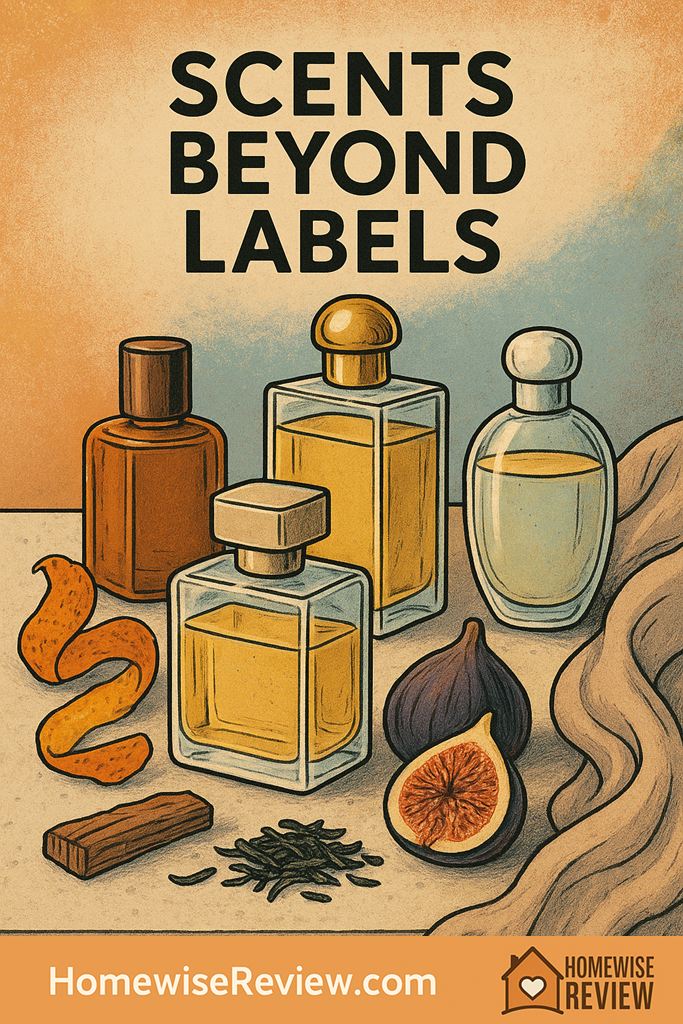
Gender-neutral fragrance moved from boutique curiosity to beauty mainstay fast. The 2023 data shows shoppers were no longer buying scent by the old men's-versus-women's script.
- Google Trends U.S. data shows gender-neutral perfume reached a five-year high in 2023, signaling mainstream search demand.
- Grand View Research projects 5.9% annual growth for the global perfume market through 2030, giving brands room to expand beyond gendered lineups.
- Major beauty retailers including Sephora and Nordstrom maintain dedicated unisex fragrance categories, showing the segment has moved beyond novelty.
- The strongest scent profiles in the space center on woods, musk, citrus, tea, and skin-like notes rather than overtly gendered tropes.
The strongest evidence that gender-neutral fragrance broke out in 2023 came from three places at once: search behavior, market momentum, and retail structure. U.S. interest in gender-neutral perfume hit a five-year high, the broader perfume market kept strong long-range growth expectations, and major retailers normalized unisex scent with dedicated browse pages instead of treating it like a novelty.
That combination matters because trends become durable when they stop living in brand language alone. In 2023, gender-neutral fragrance started behaving like a real category, not just a stylish talking point.
Finding 1: Search behavior changed faster than brand language
Search data is often the earliest sign that shoppers want a different way to navigate a category. With fragrance, the interesting shift was not simply that unisex perfume existed. That idea has been around for years. The bigger signal was that gender-neutral perfume became a meaningful search phrase, suggesting consumers were looking for scent outside the old men’s and women’s split.
The wording tells its own story. Unisex implies something shared. Gender-neutral feels more personal and less compromise-driven. It points to a bottle chosen because of how it smells, not because it sits halfway between two legacy shelves. That change in language helped move the category from niche fragrance circles into mainstream beauty browsing.
Finding 2: Fragrance had the right economic story
Gender-neutral scent rose inside a market that was already favorable to fragrance. Beauty stayed resilient, and fragrance remained one of the categories people were still willing to buy for pleasure, gifting, and everyday mood. A subtrend almost always scales faster when the parent category has momentum behind it.
Fragrance also fit the spending mood of 2023. Compared with bigger fashion purchases, perfume still felt like an attainable upgrade. Gender-neutral options had an added advantage because they often promise flexibility: one bottle that works across settings, seasons, and style moods. In a cautious economy, versatility becomes a selling point.
Finding 3: Retailers turned the niche into a shelf category
The retail signal may be the most underrated part of the story. When a major beauty retailer creates a permanent unisex fragrance landing page or filter, it does more than tidy up navigation. It tells the shopper that this is a normal way to browse the market.
That shift is bigger than it sounds. If discovery starts in men’s fragrance or women’s fragrance, the old logic still controls the shopping path. Once unisex becomes a visible category, shoppers can begin with preference rather than gender. By 2023, that kind of taxonomy had become a meaningful sign that the segment was moving from editorial buzz to operational reality.
Finding 4: The scent profile became more specific
Another reason the category accelerated is that it stopped smelling vague. Early gender-neutral positioning could sometimes feel like a branding concept without a clear olfactory identity. By 2023, the market had a more defined vocabulary: woods, musks, tea, citrus, salt, fig, incense, soft spice, and skin-like florals. These notes wear flexibly without feeling watered down.
The common thread was balance, not blandness. Instead of pushing hard into blue aquatic freshness or sugary floral sweetness, many of the most talked-about scents sat in the textured middle. They smelled clean, warm, airy, mineral, woody, or softly intimate. That made them easy to wear and easy to recommend without leaning on gender shorthand.
Why 2023 felt like the tipping point
Unisex fragrance is not new, but 2023 felt different because several forces lined up at once. Consumer language matured, retailer filters caught up, and scent aesthetics got more refined. The market no longer depended on a few iconic exceptions. It had repeatable patterns.
Younger shoppers helped normalize that shift. Across fashion, grooming, and accessories, they are already used to browsing with less patience for rigid sorting. Fragrance followed the same path. Notes, mood, and finish became more useful organizing tools than the old pink-versus-navy logic.
What the rise of gender-neutral fragrance really signals
The deeper story is not that men’s and women’s fragrances are disappearing. They are not. Gift shopping habits, legacy branding, and traditional scent preferences are still powerful. But 2023 showed that many shoppers no longer want gender to be the first and most important filter.
That has practical consequences for the category. Expect more note-first merchandising, more mood-based storytelling, and more bottles designed to look at home on any vanity. The brands that benefit most are usually the ones that explain what a scent smells like and how it wears, without overacting a gender script.
Methodology
This report synthesizes three kinds of evidence: a five-year review of U.S. search behavior around gender-neutral and unisex perfume terms, broader fragrance market sizing and beauty-industry analysis, and retailer assortment signals from major U.S. beauty stores with dedicated unisex fragrance navigation. The goal is to read demand, market context, and merchandising behavior together rather than treat any single metric as the whole story.
Because fragrance brands use overlapping language, the report focuses on durable patterns instead of exact launch counts. Search patterns show rising intent, market reports show whether the category had room to expand, and retailer taxonomies show whether the trend was strong enough to change how shoppers actually browse.
Buying Guides Based on This Data
If the appeal of gender-neutral scent is flexibility, see our guide to fragrance layering for combinations that stay balanced instead of muddy. To understand why so many of these perfumes lean on airy citrus, musk, woods, and tea, start with fragrance notes explained: top, heart, base. And if this whole movement has you thinking about owning fewer, better bottles, best signature scents for minimalists is the natural next stop.
Frequently Asked Questions ▾
Is gender-neutral fragrance the same as unisex fragrance?
They overlap, but the tone is slightly different. Unisex often suggests a scent can be shared, while gender-neutral suggests the fragrance was not built around gendered expectations in the first place.
Did 2023 start the trend?
No. The category has earlier roots, but 2023 looked like a tipping point because search demand, retail structure, and fragrance-market momentum lined up at the same time.
Which notes show up most often in gender-neutral fragrances?
Woods, musks, citrus, tea, vetiver, fig, incense, salt, and soft florals appear often because they read versatile and easy to wear. They tend to emphasize texture and balance more than old-school gender coding.
As an Amazon Associate, we earn from qualifying purchases made through links on our site.