

Opens visual space with flexible storage to reduce clutter, making rooms feel lighter, cozier, and easier to keep tidy.
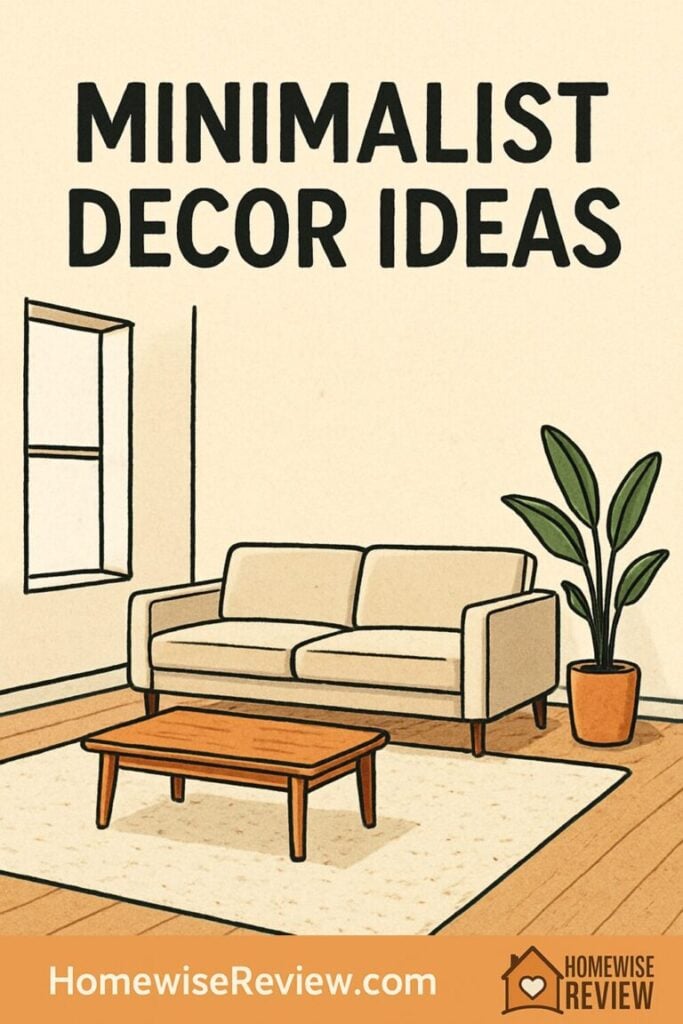
Your rooms are packed with stuff and visual noise, yet still do not feel pulled together. Use minimalist decor ideas to create calmer, cozier spaces that are simple to style and easy to keep clean.
Minimalist decor is not about living in a stark, empty box. It is about creating calm, easy to maintain rooms that support your life instead of competing with it.
If your home feels crowded, visually loud, or hard to clean, a minimalist approach can give you more breathing room without losing comfort or personality.
What minimalist decor really means
Minimalism in decor focuses on fewer, better pieces, plenty of open space, and a clear purpose for every item you keep out. The goal is not perfection. It is to reduce visual noise so your home feels restful and simple to use.
Three ideas guide most minimalist spaces:
- Function first. Furniture and decor earn their place by making daily life easier or clearly more enjoyable.
- Less but better. You choose one great lamp over three average ones, and leave breathing room around it.
- Cohesive and calm. Colors, materials, and shapes repeat so the room feels pulled together instead of scattered.
Keep those principles in mind as you walk through the steps below. You can apply them to any style you like, from warm and cozy to sleek and modern.
Step 1: Decide how you want your space to feel
Before you move a single chair, decide what you want the room to do for you. A minimalist living room for movie nights will look different from a minimalist home office that needs to keep you focused.
Pick two or three words to describe the feeling you want, such as calm and cozy or bright and energetic. Use those words as a filter. If a piece of decor does not support that feeling, it is a candidate to remove or replace.
Walk through your room and notice what fights that feeling. Maybe it is a busy gallery wall, stacks of unread magazines, or heavy curtains that block the light. These are your first targets when you start editing.
Step 2: Edit what you already have before you buy
Minimalist decor starts by subtracting, not shopping. Clearing visual clutter instantly makes a room feel more intentional, even if you change nothing else.
A quick declutter order that works
You can make real progress in an afternoon if you move through the room in this order:
- Flat surfaces. Clear coffee tables, nightstands, counters, and dresser tops. Keep only what you use daily and one or two decor pieces per surface.
- Floors and walkways. Remove extra side tables, baskets, and piles that block the flow of the room.
- Duplicate items. Pull together extra blankets, vases, candles, and throw pillows. Keep your favorites and donate or store the rest.
- Outdated or “someday” decor. If you have framed art you never hung or decor that no longer feels like you, be honest about whether it still deserves space.
Work with three boxes or bags labeled Donate, Recycle/Trash, and Elsewhere. The Elsewhere box is for things that belong in another room, so you do not get sidetracked.
Once you remove the extras, pause. Live with the simplified version of your room for a few days. You may realize you already have enough, or at least see very clearly what is still missing.
Step 3: Choose a simple color and material palette
A limited palette is one of the fastest ways to make any space feel minimalist and pulled together. You do not have to stick to pure white and black. The key is to repeat similar tones and textures instead of mixing many unrelated ones.
Wall and large surface colors
Light, soft neutrals are usually the easiest base for minimalist decor, especially if you have smaller rooms. Think warm white, soft beige, greige, or very pale gray.
- Pros: Make rooms feel larger and brighter, work with almost any furniture, and give you flexibility to change accents later.
- Cons: Can feel flat or cold if you skip texture, warm wood, or cozy lighting.
If you prefer more contrast, limit yourself to one deeper tone, such as charcoal, deep blue, or olive, and use it in controlled areas. An accent wall, a sofa, or the rug can carry that color without overwhelming the room.
Materials that add quiet interest
Minimalist spaces risk feeling sterile if every surface is smooth and similar. Bring in a few natural textures that repeat throughout the room.
- Wood. Choose one or two wood tones, such as light oak and black stained wood, instead of mixing many species.
- Textiles. Use nubby cotton, linen, wool, or boucle to soften sleek furniture.
- Metal and glass. Black, brass, or stainless accents can add structure. Mirrored or glass surfaces lighten heavy pieces.
When you are unsure about a new item, ask whether its color and texture echo something you already own. If it does, it is more likely to blend right in.
Step 4: Focus on a few strong anchor pieces
In a minimalist room, a handful of well chosen items set the tone. Everything else plays a supporting role. Start with the pieces that control comfort and layout.
For most homes, your anchor pieces are:
- Living room: sofa, main chair, coffee table, and media unit
- Bedroom: bed frame, mattress, and nightstands
- Dining area: table and seating
- Home office: desk and chair
Look for simple silhouettes, clean lines, and hidden or closed storage where you can tuck away everyday items. Raised legs on sofas and cabinets help a room feel lighter because you can see more floor.
If you are replacing something, choose neutral, timeless versions for anchor pieces and express more personality with smaller items that are easy to swap, such as pillows or a throw.
Step 5: Add warmth and personality without clutter
Minimalist decor can still feel cozy and personal. The goal is to be intentional about what you display rather than filling every spot.
Use the one tray rule for surfaces
Flat surfaces collect clutter quickly. Limit each coffee table, dresser, or nightstand to one tray or small grouping. On a living room table, for example, you might have a tray with a candle, a small stack of books, and a simple bowl or sculpture.
This creates a focal point and keeps the rest of the surface clear for real life tasks, like setting down drinks or folding laundry.
Keep art and decor simple but meaningful
Choose a few larger pieces of art instead of many tiny frames. One substantial piece above your sofa or bed usually looks calmer than a busy gallery wall, especially in small rooms.
For shelves, think in terms of breathing space. Group items in sets of two or three, then leave open gaps instead of lining every inch. Mix books with one or two objects like a vase, a framed photo, or a small plant.
Bring in plants and soft lighting
Plants add life and softness to minimalist rooms without visual clutter. A single floor plant in a simple pot or a few small plants on a shelf are often enough.
Layer lighting with at least three sources in each room: a ceiling light, a floor or table lamp, and soft accent lighting like a small lamp on a console or a candle. Warm white bulbs make neutral rooms feel inviting rather than stark.
Room by room minimalist decor ideas
Minimalist living room
- Float the sofa slightly off the wall to create a clear seating zone and better flow.
- Use one large rug to anchor the furniture instead of several smaller ones.
- Limit throw pillows to two or three cohesive colors or textures and edit blankets to one or two favorites.
- Hide cords with simple cord covers or clips along the back of furniture.
Minimalist bedroom
- Clear everything off nightstands except a lamp, a book, and one small item like a dish or photo.
- Choose bedding in one main color with a subtle texture so the bed looks calm even when unstyled.
- Use closed storage like a simple dresser or under bed bins to keep clothing out of sight.
- Hang just one or two calming art pieces instead of multiple small frames over the bed.
Minimalist kitchen and dining
- Keep countertops mostly clear. Store small appliances you rarely use and display only daily essentials like a knife block or coffee maker.
- Choose one simple centerpiece for the table, such as a bowl of fruit or a vase, and keep the rest open.
- Use matching containers for visible pantry items so shelves look streamlined.
- Stick to one main metal finish for hardware and fixtures to reduce visual noise.
Minimalist entry and bathroom
- In the entry, give every item a landing spot: hooks for bags and coats, a tray for keys, and a basket for shoes.
- Use a slim console or wall shelf instead of a bulky table if you are short on space.
- In the bathroom, keep counters clear except for daily items grouped in a tray or small caddy.
- Repeat one or two towel colors and one rug style so the room feels consistent.
Common minimalist decor mistakes to avoid
- Going all white with no warmth. Pure white everything can feel clinical. Balance it with wood, texture, and warm lighting.
- Buying new storage instead of editing. It is tempting to buy more bins and baskets, but true minimalism starts with owning less.
- Making decor too tiny. Many small objects clutter the eye faster than one larger, well chosen piece.
- Hiding clutter instead of solving it. If every drawer is packed, no amount of styling will feel minimalist. Revisit what you actually need and use.
- Forgetting comfort. Minimalist does not mean uncomfortable. Make sure seats are inviting, bedding is soft, and you have enough light to read or work.
Minimalist decor is a process, not a one time project. As your life changes, revisit each room and adjust what you own and display so your home continues to feel calm and useful.
See also
To keep a minimalist home soft yet practical, explore our guide to best washable rugs, throws, and linens and pair them with neutral home fragrances guests always compliment.
- Space saving vanity tabletop setups that keep daily essentials tidy
- Under sink storage for a clutter free bathroom and kitchen
- Subtle home scent diffusers that suit minimalist rooms
FAQ
How do I start decorating my home in a minimalist style?
Start by editing before you buy anything new. Clear flat surfaces, remove obvious duplicates, and pack away decor that no longer fits the feeling you want. Then choose a simple color palette and rearrange your existing furniture to create clear zones and easier flow. Once the room feels lighter, you can add back a few intentional pieces like art, a rug, or better lighting.
How can I make minimalist decor feel cozy instead of cold?
Focus on texture, warmth, and lighting. Layer soft textiles such as a thick rug, a knit throw, and linen or cotton pillows in warm neutrals. Add wood, plants, and warm white bulbs to soften straight lines and pale walls. Even a very simple room feels welcoming when it has comfortable seating and gentle, layered light.
What should be in a minimalist living room?
A minimalist living room usually needs just a comfortable sofa, one or two chairs, a coffee table, a media unit or console, and a rug. Add a few light sources like a floor lamp and a table lamp, one or two pieces of art, and a plant or simple decor grouping. Aim for plenty of visible floor space and avoid blocking windows so the room feels open.
Can I decorate in a minimalist way on a tight budget?
Yes. The heart of minimalist decor is owning and displaying less, which costs nothing. Start by decluttering and rearranging what you already have. If you buy new items, focus on simple, versatile basics like a neutral rug or set of curtains that you can use for years, and shop secondhand for solid wood furniture with clean lines.
What colors work best for minimalist decor?
Soft neutrals like warm white, beige, greige, and light gray are the easiest base colors because they make spaces feel open and calm. You can add depth with one or two accent tones, such as black, deep blue, or forest green, used in larger pieces like a sofa, rug, or artwork. The key is to repeat the same few colors throughout your space so it feels cohesive.
As an Amazon Associate, we earn from qualifying purchases made through links on our site.