

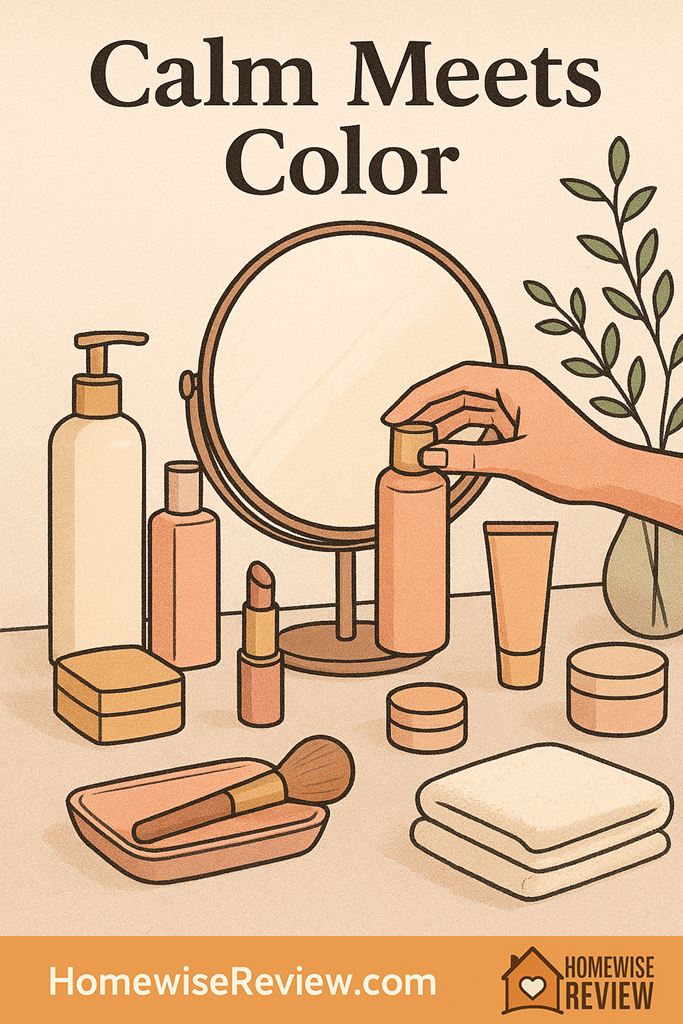
Beauty is being judged by a new standard: not just how it looks, but how it feels on a rushed morning. The numbers show why makeup is being reframed around calm, comfort, and fewer decisions.
- McKinsey pegs the global wellness market at $1.8 trillion, and 82% of U.S. consumers say wellness is a top or important priority.
- McKinsey estimated global beauty at about $430 billion in 2022, with a path to roughly $580 billion by 2027, suggesting simpler routines are reshaping spend, not shrinking it.
- A JAMA Internal Medicine meta-analysis reviewed 47 trials with 3,515 participants and found mindfulness programs can reduce anxiety and stress.
- Five-year Google Trends data shows sustained interest in low-effort, skin-first terms such as skinimalism and skin tint.
Two large consumer markets have started to overlap. McKinsey values wellness at $1.8 trillion globally, estimates beauty at about $430 billion in 2022 with more growth ahead, and reports that 82 percent of U.S. consumers see wellness as a top or important priority. That helps explain why makeup is no longer sold only as transformation. It is increasingly sold as relief: fewer decisions, softer textures, and routines that feel calmer to use.
The shift is easy to miss because it does not always arrive with a dramatic new product category. More often, it shows up in the details: skin tints instead of full masks, balm textures instead of powder-heavy routines, complexion products that promise comfort, and copy that sounds more like self-care than stage makeup. Beauty is still about appearance, of course, but the emotional experience of getting ready now matters much more than it used to.
The fastest way to see the shift
Look at the language on packaging and product pages. A decade ago, makeup copy leaned heavily on perfection, coverage, endurance, and correction. Today, it is just as likely to emphasize breathable wear, serum-like texture, barrier support, mood, ritual, recovery, and glow that looks like real skin.
That vocabulary change is not cosmetic. It signals a different promise. The product is no longer just a fix for flaws. It is being framed as a smoother experience, one that reduces friction in the routine itself.
Finding 1: Wellness has become the logic behind beauty positioning
When more than four out of five U.S. consumers say wellness matters, brands do not keep that demand boxed inside supplements, fitness, and sleep apps. They translate it into adjacent categories. In beauty, that translation shows up as makeup that borrows the cues of self-care: simplified steps, soothing ingredients, texture-first design, and messaging built around feeling centered rather than fully transformed.
This helps explain the flood of hybrid products. Skin tints with skin care claims, cream blushes that blend in seconds, hydrating primers sold as comfort products, and complexion sticks that travel easily all fit a wellness-minded consumer mood. The point is convenience, but it is also emotional economy. Fewer choices can feel like relief.
Finding 2: Simpler routines are not anti-makeup, they are anti-friction
The biggest misconception around mindful beauty is that it means buying less makeup across the board. The market data suggests something subtler. Beauty remains a large growth category even as routines become shorter, which means consumers are not abandoning makeup. They are editing it.
That edit usually follows a clear pattern:
- multitasking products over single-use extras
- skin-first finishes over heavy masking
- easy cream or balm textures over fussy application
- products that look good in natural light and on video calls
- reliable everyday shades over novelty color stories
Five-year search behavior points in the same direction. Interest around terms like skinimalism and skin tint helps show that lighter, more flexible complexion language is not a passing niche. It reflects a broader preference for makeup that fits daily life instead of interrupting it.
Seen that way, mindfulness in makeup is less about candles and breathing exercises and more about decision fatigue. A five-product routine that consistently works can feel more restorative than a drawer full of options that demand time, precision, and cleanup.
Finding 3: Sensory design is becoming a real performance feature
One reason the wellness trend has traveled so well into beauty is that makeup is already sensory. Texture, scent, glide, finish, weight, and the small ritual of application all shape whether a routine feels stressful or grounding. That does not make makeup therapy, but it does make the emotional experience of using it commercially important.
Brands have noticed. Packaging gets quieter, formulas get creamier, and the selling points increasingly include words like cushiony, soft-focus, featherlight, calming, and breathable. The industry is betting that how a product feels in the hand and on the face is now part of its value, not a bonus detail.
This is especially visible in complexion. Full-coverage products still have a place, but the prestige of obvious effort has weakened. The new ideal is polished without looking overworked. In market terms, restraint has become aspirational.
Finding 4: Skin care and makeup are blending into one emotional purchase
Wellness has also blurred the line between what makeup does and what skin care represents. Consumers increasingly expect complexion products to hydrate, protect, support the barrier, or at least avoid making skin feel punished by the end of the day. That expectation changes product development, but it also changes shopping psychology.
A foundation used to be judged mainly on shade match, wear time, and coverage. Now it is also judged on whether it feels gentle, breathable, and compatible with the rest of a skin routine. The more makeup behaves like an extension of self-care, the easier it is for wellness-minded consumers to justify the purchase.
That is part of why skin tints, tinted serums, balm highlighters, and nourishing lip products keep holding attention. They sit in the overlap between visible result and pleasant ritual. In a crowded category, that overlap is powerful.
Finding 5: The new luxury signal is control
Beauty trends used to signal status through abundance: more steps, more products, more obvious transformation. The wellness era favors a different signal. Control now reads as luxurious. A routine that takes five calm minutes, uses a handful of dependable products, and leaves the face looking awake rather than heavily made becomes its own kind of aspiration.
This also helps explain why quiet branding and neutral packaging perform so well in beauty culture. The visual language of calm has economic value. It suggests competence, ease, and a life that is not constantly running late.
There is an important practical angle here too. Time is scarce, and anything that saves time without looking rushed feels premium. Makeup that promises speed, skin comfort, and a natural finish fits that demand neatly.
What the data does and does not prove
The data is strong on two points. First, wellness is now a dominant consumer framework. Second, beauty buyers are still spending, but they are rewarding products that align with ease, comfort, and skin-first aesthetics. Together, those facts make the rise of mindful makeup look less like a fad and more like a category rewrite.
What the data does not prove is that makeup itself is a mental health intervention. Mindfulness research does show measurable stress benefits in structured programs, and a calm routine can feel grounding, but a serum foundation is not meditation. The more accurate conclusion is that beauty brands are importing the cues and values of wellness into everyday grooming, because those cues match what stressed consumers want from the ritual.
Why this trend is likely to stick
Trends fade fastest when they ask people to work harder. This one asks the opposite. It favors fewer steps, lower effort, more versatile products, and a softer visual end point. That makes it unusually compatible with real life, especially on busy mornings.
It also aligns with several larger forces at once: hybrid work, video culture, ingredient literacy, time pressure, and the broader move toward self-optimization that now touches food, sleep, fitness, skin care, and beauty alike. When a trend fits multiple pressures, it tends to outlast the buzzword that introduced it.
So the most useful way to read mindfulness in makeup is not as a niche lifestyle subculture. It is the beauty industry adapting to a consumer who wants less friction, more comfort, and products that earn their place by making the routine feel better, not just look better.
Methodology
This analysis synthesizes recent consumer and market reporting on wellness and beauty, including large-scale industry surveys, five-year search behavior signals, and peer-reviewed mindfulness research. The aim is not to claim direct medical effects from makeup, but to trace how wellness priorities, stress culture, and product design are converging in everyday beauty routines.
Buying Guides Based on This Data
If you want to see how this shift shows up in actual shopping choices, Best beauty buys on Amazon spotlights products that feel useful instead of trend-heavy clutter. For a broader look at buying fewer, better items, check out our guide to quality picks that last and notice how closely durability now overlaps with wellness-minded spending. If the real goal is a calmer start to the day, best tech and beauty tools to simplify mornings shows how routine design can matter as much as the products themselves.
Frequently Asked Questions ▾
What counts as mindful makeup?
Usually it means makeup chosen for ease, comfort, and sensory fit, not just visual impact. Think shorter routines, multitasking products, skin-friendly formulas, and textures that feel pleasant enough to use consistently.
Is this the same as clean beauty?
No. Clean beauty focuses on ingredient standards and safety claims. Mindful makeup is broader, covering time savings, stress reduction, texture, ritual, packaging, and the overall feel of the routine.
Does a simpler routine mean lower beauty spending?
Not necessarily. The market data suggests many shoppers are trading quantity for selectivity, which can keep spending steady while shifting it toward hybrid, dependable, everyday products.
As an Amazon Associate, we earn from qualifying purchases made through links on our site.