

Provides a smooth, camera-ready finish that stays fresh all day without looking heavy or unnatural.
We may earn a small referral fee
Looking for a budget alternative? L’Oréal True Match Foundation
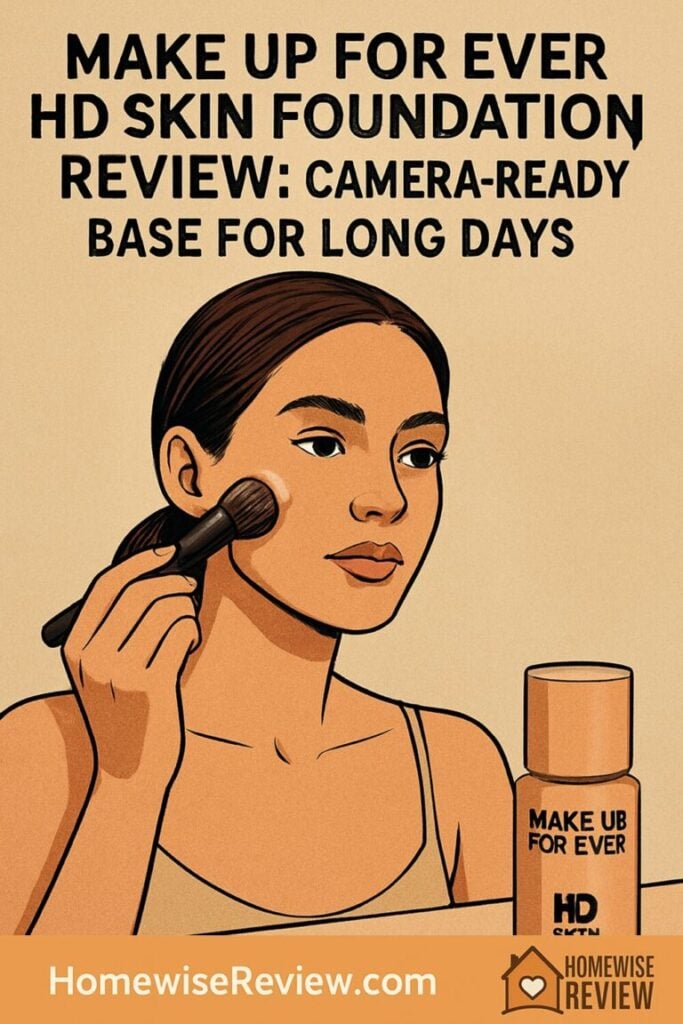
We tested Make Up For Ever HD Skin Foundation in real life and under studio lighting to see if it truly delivers a skin-like, camera-ready base that lasts from commute to cocktails. Here is what works, what to watch for, and how to get its best wear.
🆕 2026 Product Update
In 2026, the Make Up For Ever HD Skin Foundation still holds up as a reliable choice for a natural, camera-friendly finish with strong all-day wear, especially for long schedules and mixed lighting. Shade matching remains the make-or-break detail, so it’s worth double-checking undertones (and testing in daylight) before committing. If you’re shopping on a tighter budget, L’Oréal True Match Foundation continues to be a sensible alternative for a similar “your-skin-but-better” effect.
Overview
Make Up For Ever HD Skin Foundation is designed to be the no-drama base you can trust on a long workday or under a camera. It promises buildable medium coverage with a natural, skin-like finish that sits smoothly on texture and resists heat and humidity. In testing, it behaved like a polished, flexible layer rather than a heavy mask, which is exactly what many people want for high-definition video calls, photos, and real life.
The texture is a thin liquid that spreads quickly and sets faster than many dewy formulas. It is easier to control in thin layers than in heavy swipes, which helps it look seamless in person and on camera. There is no SPF in the formula, so there is no white cast in flash photography. If you rely on daily sunscreen, apply it as a separate step under the foundation.
Packaging is a sturdy glass bottle with a pump and the standard 1 fl oz volume. Shade range is broad across light, medium, tan, and deep, with warm, cool, and neutral undertones represented. Several shades run olive-leaning as well. Undertone labeling is clear, but like many long-wear bases, HD Skin can deepen a touch as it sets. Plan your match with that in mind by letting a swatch dry before deciding.
After multiple wear tests on oily, combination, and normal to dry skin, the short version is this: HD Skin looks believable, covers reliably, and can last a full day with minimal touch-ups if you prep and set strategically. It is not the dewiest finish and it is not the most matte either. It lives in that flexible, natural sweet spot that reads like real skin while taking the edge off redness, uneven tone, and pores.
Who it’s for
HD Skin is best for anyone who wants a real-skin finish with steady medium coverage that can be pushed to full. If you want a base that looks polished in photos without screaming foundation in person, this is right in your lane. It suits normal, combination, and oily skin particularly well, especially those who battle shine in the T-zone but do not want a flat matte look.
Dry skin can wear it comfortably with the right prep. If your skin is very dry or flaky, plan on extra hydration and a creamy primer to prevent catch on patches. If you prefer a luminous, reflective look or very sheer coverage, you may find HD Skin more satin than you like. If you want a velvet-matte, bulletproof finish, you might still appreciate HD Skin but will need a more assertive mattifying primer and a firm set with powder.
It is also a strong pick for events and long days where you will be photographed. The absence of SPF avoids flashback, and its pigment lays down evenly on texture, including pores and fine lines, when applied in thin layers. If you are sensitive to silicones, note that this is a silicone-rich long-wear style. Most users will appreciate that because it helps blur and grip, but patch test if you are prone to congestion.
How it feels and performs
Texture and blend: The formula is a fluid liquid with enough slip to spread quickly, then it begins to set within about a minute. Compared to dewy finishes, it dries faster, so work in sections. It feels lightweight and flexible once set, without that tight film some long-wear foundations create. There is a faint cosmetic scent that dissipates quickly and no lingering fragrance note on skin.
Coverage and finish: One pump gives a true medium that evens tone and neutralizes redness while leaving freckles and skin texture visible. Two thin layers build to nearly full coverage that still looks believable. The finish sits between natural and soft matte. It blurs pores well on the nose and cheeks without looking powdery, and it does not emphasize peach fuzz. On very textured areas, pressing with a sponge after brushing it on keeps it smooth.
Wear on different skin types:
- Combination skin: With a light primer on the T-zone and a dusting of translucent powder, we saw 9 to 11 hours of good wear before shine became noticeable. A single blot and a quick press of powder restored a fresh look without caking.
- Oily skin: Expect shine to show around the 5 to 7 hour mark if you skip primer, sooner in humid weather. With a mattifying primer and a proper set, it makes it to the end of a workday with only midday blotting. Product does not break apart badly, but it can soften around the nostrils, which responds well to a sponge press rather than extra layers.
- Normal to dry skin: It wears smoothly for 8 to 10 hours when paired with hydrating skincare. If your skin is tight or flaky, it may catch on patches. A thin layer of rich moisturizer or a hydrating primer underneath keeps it flexible. Avoid heavy setting powder on dry zones.
Transfer, heat, and humidity: After setting, transfer is minimal on clothing and phone screens, though not zero. In heat and humidity, it holds better than a dewy formula and resists sliding. It is comfortable for outdoor events, especially if you set the T-zone and finish with a setting spray.
Photography and flash: Because there is no sunscreen in the formula, there is no flashback. Under bright studio lights, it reads like clean skin with less shine. The pigments are finely milled, so it looks smooth on 4K video. If you rely on sunscreen for daily protection, use a separate SPF underneath and allow it to dry down completely before applying HD Skin to maintain the finish.
Oxidation and shade stability: HD Skin deepens a fraction as it dries. On lighter and medium shades, this is subtle but noticeable after 5 to 10 minutes. If you sit between two shades, lean one half step lighter to allow for the set. Apply to the side of the jaw, wait a few minutes, then step into natural light before deciding.
Removal: It comes off cleanly with a cleansing balm or oil followed by a gentle face wash. Micellar on a cotton pad will lift most of it if you prefer a lighter routine, but a balm does the fastest, tidiest job and prevents rubbing.
How to use for best results
Prep by skin type:
- Oily or combination: Cleanse and use a light, oil-free moisturizer on the cheeks and jaw. Apply a thin layer of a mattifying or pore-blurring primer across the T-zone. Let each layer sit for a full minute before moving to the next step.
- Normal: Use your daily moisturizer and a smoothing primer only where you see pores or fine lines. Skip heavy occlusives that can make long-wear formulas slide.
- Dry: Apply a hydrating serum and a richer moisturizer. Follow with a creamy, non-silicone-heavy primer or a thin layer of facial oil patted into the driest spots. Give it a few minutes to settle.
Application technique: Start with one pump on the back of your hand. Dot it on the cheeks, nose, chin, and center of the forehead. Use a dense brush to spread and a damp sponge to press it into the skin, especially over pores. Work in thin layers and in sections because HD Skin sets at a moderate speed. Step back between layers to decide whether you need more. Most people will find that one pump plus a few targeted dabs covers redness and uneven tone without masking the face.
Building coverage: For breakouts or melasma, lay a very thin second layer only on the area that needs it, or switch to a matching concealer to keep the rest of the face lighter. Press rather than swipe with your sponge to avoid lifting the first layer.
Set and finish: Set the T-zone with a lightweight, finely milled translucent powder using a small brush. Press the powder on, do not buff. If you like a natural satin sheen, leave the perimeter of the face powder-free. Finish with a light mist of setting spray and let it air-dry. That final mist melts powder, blurs edges, and prolongs wear without extra texture.
For camera days: Smooth a blurring primer on the nose and center cheeks, then apply a sheer first layer of foundation. Press a touch of translucent powder into pores with a velour puff. Add a second whisper-thin layer only where needed, and finish with setting spray. This sequence keeps skin texture minimized under strong lighting without flattening your features.
Midday maintenance: When shine appears, blot gently with paper or a clean tissue first, then press a tiny amount of powder with a puff. Resist the urge to add more foundation on top of a long day. Pressing and refreshing the set maintains the finish without adding weight.
Pros and cons
- Pros:
- Natural, skin-like finish that looks great in person and on camera
- Buildable medium to full coverage without heavy texture
- Resists heat and humidity better than dewy formulas
- Blurs pores and fine texture with minimal settling
- No SPF in the formula, so no flashback in photos
- Wide shade range with clear undertone options
- Lightweight feel for a long-wear category
- Cons:
- Sets relatively fast, which demands working in sections
- Can emphasize dry patches if you skip hydration or use too much powder
- Oily T-zones will still need primer, powder, and a midday blot
- Slight deepening as it dries complicates shade matching
Final verdict
Make Up For Ever HD Skin Foundation is a dependable, polished base for long days and bright lights. It delivers the right balance of believable skin with enough coverage to even tone, soften redness, and smooth the look of pores. With smart prep and a light hand, it lasts a full workday and photographs cleanly, all while feeling lighter than many long-wear options.
If you prefer ultra-dewy radiance or ultra-matte coverage, it will not be your dream finish without help from primers and powders. If your skin runs dry, commit to richer prep and go easy on powder. If you are oily, do the opposite and lean into mattifying steps on the T-zone. For most people who want to look like themselves, only more rested and even, HD Skin hits a sweet spot that holds up from commute to late dinner.
See also
If shine management is your main concern, our Best Foundation for Oily Skin (2025 Guide) breaks down formulas that keep the T-zone calm, and pairing any long-wear base with the right prep from Best Primer for Oily Skin: Control Shine, Blur Pores, Make Makeup Last can extend wear. If your skin is oily in some spots and dry in others, Best Foundations for Combination Skin: Shine Control Meets Healthy Glow helps you choose finishes that balance both needs.
Heading into sticky weather or just prefer a weightless feel, Best Lightweight Foundations for Summer highlights options that stay breezy in heat. For a direct long-wear comparison, read our Urban Decay Face Bond Waterproof Foundation Review to see how that transfer-resistant formula stacks up for stamina and finish.
FAQ
Does Make Up For Ever HD Skin Foundation cause flashback in photos?
No. The formula does not include SPF, so it does not create a white cast under flash. If you wear a separate sunscreen underneath, let it dry down fully before foundation to keep the finish smooth and photo-friendly.
How does HD Skin compare to the older Ultra HD formula?
HD Skin feels a touch more long-wearing with a slightly more natural to soft matte finish, while Ultra HD leaned more luminous and flexible out of the gate. HD Skin also sets a bit faster. Coverage for both can reach medium to full, but HD Skin holds that polished look longer on combination and oily skin.
What primer pairs best with HD Skin for an oily T-zone?
Use a lightweight mattifying or pore-blurring primer only where you get shiny, typically the center forehead, nose, and chin. Keep the cheeks either bare or lightly smoothed with a hydrating primer so you do not over-mattify the whole face. This targeted approach preserves a natural finish and prolongs wear.
How many pumps do I need and how do I avoid a cakey look?
Start with one pump for the entire face. Spread with a brush, then press with a damp sponge to meld the layer into skin. Add tiny dabs only where you still see redness or discoloration. Set the T-zone with a sheer veil of powder instead of layering more foundation.
Does HD Skin oxidize and how should I choose a shade?
The formula can deepen slightly as it sets. When testing, apply a stripe on the side of the jaw, wait 5 to 10 minutes, and check it in natural light. If you are between shades, choose the one that looks half a step lighter so it finishes at your match rather than a touch too deep.
As an Amazon Associate, we earn from qualifying purchases made through links on our site.