

Retains steady heat for perfect braises, soups, and crusty no‑knead bread that elevate everyday dinners.
We may earn a small referral fee
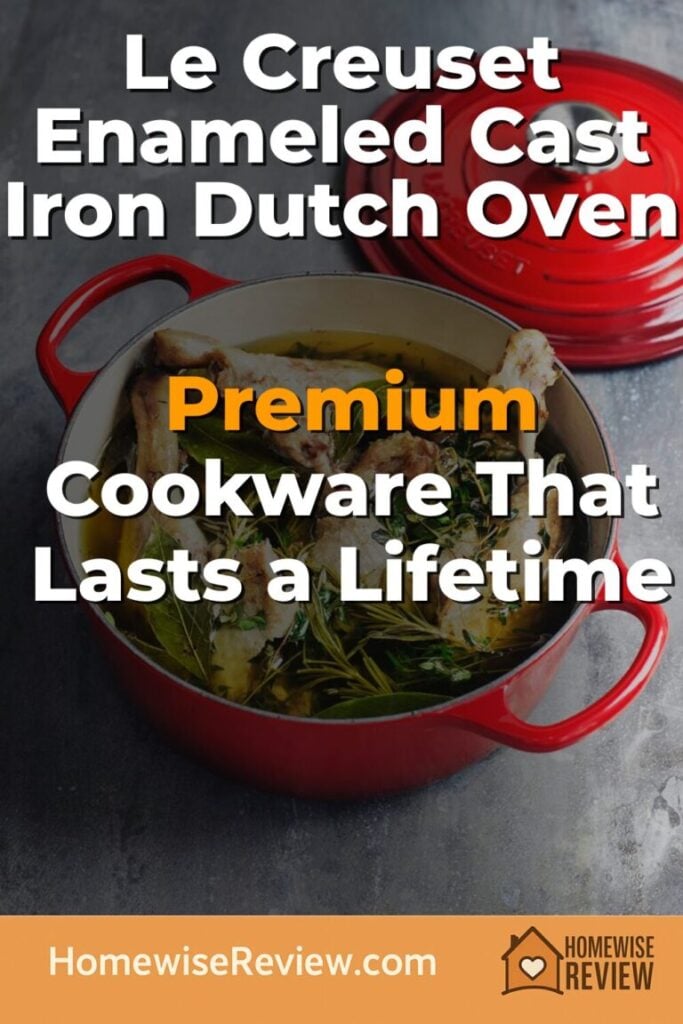
That Le Creuset price tag stings—until you consider what a Dutch oven that holds heat like a champ and lasts decades can do for your weeknight dinners and weekend projects. This review breaks down whether the Signature 5.5-quart truly earns its “lifetime workhorse” reputation for braises, soups, and crusty no-knead bread—or if a cheaper pot makes more sense.
🆕 2026 Product Update
In 2026, the Le Creuset Signature 5.5-Quart Dutch Oven still earns its keep for steady braises, soups, and reliable no-knead bread, especially if you cook often and want enamel that holds up over years. Pricing remains premium, but seasonal promotions and factory sales can narrow the gap, making it easier to justify if you’ll use it weekly. If you’re mainly after the same format for occasional use, newer mid-priced enameled cast iron options have improved enough to be worth a side-by-side look.
Overview
The Le Creuset enameled cast iron Dutch oven is the piece many people picture when they think of high-end cookware: heavy, brightly colored, and priced well above most competitors. The real question is whether that premium actually pays off in everyday cooking.
This review focuses on the Signature round enameled cast iron Dutch oven in the 5.5-quart size—one of the most popular capacities for daily use. The core design and performance are similar across sizes, so these takeaways generally apply whether you choose a smaller 3.5-quart for sides or a larger 7.25-quart for big batches.
In real kitchens, the Le Creuset Dutch oven excels at low-and-slow, moist-heat cooking: braises, stews, beans, soups, and no-knead bread. It can also pull double duty for roasting and even shallow frying. The enamel coating gives you cast iron’s heat retention without seasoning and without worrying about acidic ingredients.
It’s not a magic pot—you still need to manage heat, use enough fat for browning, and treat the enamel with care. But paired with solid technique, it delivers impressive browning, steady low simmers, and crackly-crust bread that’s harder to replicate in thinner, less expensive cookware.
Who it is for
Le Creuset markets this as a lifetime piece, and that’s the right lens. Whether it’s worth it comes down to how you cook and what you want from your tools.
It tends to be a great fit for people who:
- Cook several times a week. If you regularly make soups, stews, braises, or one-pot meals, you’ll get real value from the performance and durability.
- Want steady, gentle heat. For beans that barely tremble for hours or a controlled simmer for Bolognese, the thick cast iron and well-fitting lid make temperature control easier.
- Bake bread or roast often. Home bakers and Sunday-roast fans get extra mileage, since this pot can replace a bread cloche and stand in for a small roasting pan.
- Prefer to buy once. If you’d rather own one dependable workhorse for decades than replace cheaper pots over time, the long-term cost can make sense.
On the other hand, you may want to skip it—or choose a lighter, more affordable option—if:
- You rarely cook low-and-slow dishes. If most of your meals are quick sautés, takeout, or sheet-pan dinners, a premium Dutch oven may not see enough use.
- You have strength or mobility concerns. The 5.5-quart size is legitimately heavy, especially when full. A lighter pot may be a safer, more comfortable choice.
- You’re on a tight budget. Many solid budget and midrange enameled Dutch ovens can deliver most of the same results for far less money.
Bottom line: it’s an excellent choice for committed home cooks who want a long-lasting, do-it-all pot. It’s harder to justify for occasional cooks or anyone who rarely uses covered, moist-heat methods.
How it feels and performs
Build quality and design
Out of the box, the Le Creuset Dutch oven feels substantial and well-finished. The exterior enamel is glossy and smooth, and the colors are rich and saturated. Inside, the light sand-colored enamel makes it easy to judge browning and fond development—much easier than with dark interiors where everything looks the same shade of brown.
The side handles are wide enough to grip securely with oven mitts, which matters given the weight. Many models include a stainless steel knob that’s oven-safe at high temperatures, making the pot a strong choice for bread baking and roasting. (Always confirm the knob material on your specific model.)
The lid fit is another standout. There’s minimal wobble, and the seal helps retain moisture—useful for braises and stews, and for controlling how quickly liquids reduce.
On the stovetop
This is where the pot earns its reputation. Thick cast iron spreads and holds heat more evenly than thinner enameled steel or many aluminum pots. With a gradual preheat over medium heat, it sears meat with deeper, more even browning instead of pale spots and hot-spot scorching.
The key is patience. Because cast iron is dense, it takes longer to heat through. Give it a few extra minutes, and you get a stable cooking surface that doesn’t crash in temperature the moment you add ingredients.
For long simmers, it’s excellent at maintaining gentle heat. Once you dial in a low “barely bubbling” simmer, it tends to stay there—helpful for beans, stock, and sauces that you don’t want boiling hard.
On powerful gas burners, you’ll usually stay in the low-to-medium range. Very high flames can cause localized scorching, especially if the pot is empty or underfilled. On induction or electric, preheat gradually rather than jumping straight to the highest setting.
In the oven and for bread
In the oven, the Le Creuset Dutch oven acts like a mini oven within your oven. The thick walls and lid help trap heat and moisture, which is ideal for braises that start on the stovetop and finish gently in the oven.
For bread, it’s a star. Preheat the pot with the oven, then carefully add your dough. The hot walls and lid trap steam, encouraging strong oven spring and a crisp, blistered crust—one reason so many home bakers love this style of pot.
It also works well for roasting small chickens, pork shoulder, or vegetables. The light interior makes it easier to track browning and fond so you can deglaze for pan sauces, and the high sides help reduce splatter.
Durability over time
Le Creuset has a long track record, and these Dutch ovens tend to hold up well when used as intended. The enamel doesn’t require seasoning like bare cast iron, resists rust, and stays presentable with normal care.
The biggest risk is chipping. Like any enameled cast iron, hard knocks against a sink or a dropped lid can chip or crack enamel. Small exterior chips are usually cosmetic, but chips on the cooking surface can expose raw iron. Le Creuset offers a limited lifetime warranty, but damage from drops, thermal shock, or misuse may not be covered—so gentle handling matters.
How to use for best results
To get the most from a Le Creuset Dutch oven, treat it like a precision tool—not just a heavy pot. A few simple habits can improve your results and help protect the enamel.
Master heat management
- Preheat gradually. Start on low to medium for a few minutes before increasing. Sudden, intense heat can contribute to scorching and is tougher on enamel over time.
- Use moderate temperatures. High heat is rarely necessary. For most browning, medium to medium-high on a typical home stove is plenty thanks to cast iron’s heat retention.
- Let it work. Once it’s hot, avoid constant stirring or flipping. Let meat release naturally as it browns, and keep simmering dishes covered so heat and steam stay consistent.
Choose the right tasks
- Best uses: Soups, stews, chili, braises, tomato sauces, beans, roasts, and rustic bread play to this pot’s strengths.
- Less ideal uses: Quick weeknight sautéing can be done, but a lighter skillet or saucepan is often faster and easier to handle.
- Don’t store food long-term. Short-term storage of leftovers is generally fine, but for longer storage, transfer to glass or stainless containers.
Care and cleaning
- Cool before washing. Let the pot cool until it’s warm (not blazing hot) before adding water. Big temperature swings can stress enamel.
- Soak instead of scraping. For stuck-on bits, soak with warm, soapy water for 15–30 minutes. A soft sponge or nylon scrubber usually does the job.
- Use gentle tools. Wooden, silicone, or nylon utensils help keep the enamel looking its best. Avoid aggressive metal scraping.
- Protect the rim. When storing or stacking, avoid banging rims and place a towel or liner between pieces if you nest cookware.
Pros and cons
Pros
- Exceptional heat retention and even cooking. Thick cast iron and a well-fitting lid deliver steady heat for simmering and braising.
- Light interior enamel. Makes it easier to monitor browning and fond, which helps prevent scorching.
- Stovetop-to-oven versatility. Works on gas, electric, and induction, and transitions smoothly to oven cooking and bread baking.
Cons
- Expensive. You’re paying a premium, and many midrange options get you close for less.
- Heavy. Even empty, it has real heft—and moving it when full takes care.
- Enamel can chip if mishandled. Drops, hard knocks, or thermal shock can damage the coating.
💡 Editor’s Final Thoughts
If you cook often and love braises, stews, and bread, the Le Creuset Dutch oven is a kitchen splurge that can genuinely improve your results. Its even heat, strong moisture retention, and long-term durability make slow-cooked dishes more forgiving and weeknight staples more consistent.
Value is the tricky part. For many recipes, a good midrange enameled Dutch oven can come surprisingly close at a much lower price. Le Creuset’s edge is in finishing, consistency, long-term track record, and overall user experience—not in “magic” performance.
If you can afford it, expect to use it regularly, and like the idea of owning one pot for decades, it’s a worthy buy. If you’re budget-limited, cook only occasionally, or don’t want to wrangle a heavy pot, a quality alternative may be the smarter choice right now.
See also
If you like the idea of a Le Creuset Dutch oven but want to compare overall value, explore our best Le Creuset Dutch oven dupe guide alongside our in-depth look at the Le Creuset Signature 9 piece set.
- Compare with the colorful, space-saving design of the Our Place cookware set.
- See how a premium stainless option stacks up in our All Clad D5 brushed stainless cookware review.
- Learn about lighter, nonstick alternatives in our Caraway nonstick ceramic cookware review.
Frequently Asked Questions ▾
What size Le Creuset Dutch oven is best for most households?
For most households of two to four people, the 5.5-quart round is a reliable all-around choice. It’s large enough for a whole chicken, a big pot of stew, or a loaf of bread, while still being manageable for storage and everyday use. If you often cook for six or more, the 7.25-quart offers more capacity but adds noticeable weight.
Can you sear on high heat in a Le Creuset Dutch oven?
You can sear very well in a Le Creuset, but true high heat usually isn’t necessary. Preheat over medium to medium-high, add a thin layer of oil, and let the food brown undisturbed. Extremely high heat can cause scorching and is harder on the enamel, especially if the pot is empty.
Is the Le Creuset Dutch oven compatible with induction cooktops?
Yes. Enameled cast iron works well on induction, and the flat, heavy base helps with stable contact and even heating. To avoid scratching a glass cooktop, lift rather than drag the pot and keep the surface free of grit.
How does Le Creuset compare with cheaper enameled cast iron Dutch ovens?
Many budget and midrange Dutch ovens can cook great food, especially for occasional use. Le Creuset typically stands out for consistent enamel quality, a well-fitting lid, dependable performance over years of use, and strong long-term brand support. If you cook frequently, those differences matter more.
Will tomato sauce or wine-based stews damage the enamel?
No—acidic ingredients like tomatoes and wine are safe to cook in enameled cast iron because the enamel is nonreactive. You may see some staining over time, especially with dark sauces, but that’s usually cosmetic and can often be reduced with gentle cleaning and soaking.
As an Amazon Associate, we earn from qualifying purchases made through links on our site.