

A low, grounded sofa that keeps a room feeling calm, cozy, and deliberately pared-back.
We may earn a small referral fee
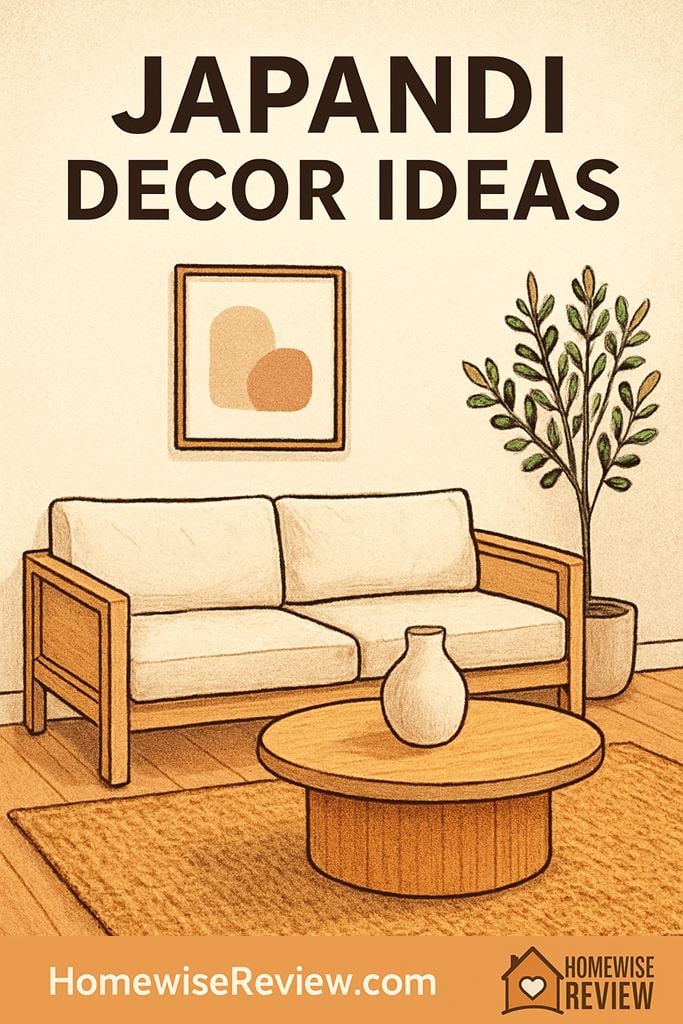
Here is the thing, Japandi looks effortless online, but in my living room “minimal” used to read like I forgot to finish decorating. I tried filling the gaps with more neutral decor, and it somehow made the space feel colder and busier at the same time. Once I committed to one low, grounded anchor piece and then edited everything else down to a few warm textures, the room finally felt calm instead of empty.
Japandi style is gorgeous, but it can feel confusing in real life: How do you keep things minimal without making your home feel empty? And how do you mix warm wood, soft textiles, and clean lines without it looking like a random collection of “neutral stuff”?
The secret is that Japandi is more about restraint and intention than buying a specific look. Once you nail the palette, materials, and a few anchor pieces, the rest is just editing.
What is Japandi style (and what makes it different)?
Japandi is a blend of Japanese design (calm, low, simple, nature-forward) and Scandinavian design (cozy, functional, light-filled). The result is a home that feels serene but still welcoming.
| Style | What it’s known for | Typical materials | Common pitfall |
|---|---|---|---|
| Scandinavian | Bright, cozy, practical | Light woods, wool, cotton, simple ceramics | Feeling a little “too white” or flat |
| Japanese | Quiet, minimal, grounded | Dark or medium woods, stone, paper, linen | Looking sparse or overly strict |
| Japandi | Warm minimalism with natural texture | Wood + linen + ceramics + black accents | Buying matching “sets” instead of layering texture |
The 6 principles that make Japandi feel right
If you want the style to look intentional (not like a beige trend), anchor decisions to these principles.
- Function first: every item earns its place by being useful, beautiful, or both.
- Warm minimalism: fewer items, but richer materials and texture.
- Natural elements: wood, stone, clay, linen, cotton, wool, paper.
- Soft contrast: gentle neutrals with a few dark accents for definition.
- Low visual noise: calm surfaces, hidden storage, cohesive shapes.
- Patina is welcome: handcrafted, slightly imperfect, and well-loved pieces fit in.
Japandi color palettes that feel calm (not cold)
Japandi is neutral-heavy, but the best rooms still have depth. Think “warm and grounded” instead of “all white.”
Choose one base, one wood tone, and one accent
| Layer | Best Japandi picks | How to use it |
|---|---|---|
| Base (walls + big textiles) | Warm white, cream, oatmeal, soft greige | Keep walls matte; repeat the base color in a rug or curtains |
| Wood tone (furniture) | Light oak, ash, birch, or medium walnut | Pick 1 dominant wood tone; allow 1 secondary tone max |
| Accent (small dose) | Matte black, charcoal, deep olive, muted clay | Use in hardware, frames, a lamp, or one statement vase |
Quick fixes if your room feels “too beige”
- Add black in 2 to 3 small spots (a frame, a bowl, a lamp base) to sharpen edges.
- Bring in one deeper natural color (olive, rust, or charcoal) through a pillow cover or art.
- Swap one smooth item for texture (nubby wool throw, slubby linen curtains, ribbed ceramic).
Materials and texture: the fastest way to get the Japandi look
Japandi rooms rarely rely on pattern. They rely on texture. That means you can keep colors simple and still make the space feel layered.
High-impact materials that read “Japandi” immediately
- Linen: curtains, bedding, simple pillow covers.
- Wood with visible grain: coffee tables, stools, shelves.
- Matte ceramics: vases, bowls, mugs, planters.
- Wool or jute: rugs that add warmth without busy designs.
- Stone: trays, coasters, a small side table, or a countertop vignette.
Texture rule of thumb
- Use at least 3 different textures in each room (example: linen + wood + ceramic).
- Limit patterns to one subtle pattern at a time (a thin stripe or small woven check).
Furniture choices that feel Japandi (not bulky or trendy)
Furniture is where Japandi either looks elevated or falls apart. You want clean lines, comfortable proportions, and a little breathing room around pieces.
Silhouette guide: what to look for
- Low profile: lower sofas, platform beds, low media consoles.
- Simple legs: tapered wood legs or a clean plinth base.
- Rounded edges in small doses: a round coffee table softens the room.
- Closed storage: fewer visible piles equals instant calm.
Japandi furniture do’s and don’ts
| Do | Don’t |
|---|---|
| Pick one “anchor” piece per room (sofa, bed, dining table) | Buy a full matching set that makes the room feel flat |
| Choose matte or satin finishes that look natural | Use high-gloss surfaces everywhere |
| Leave negative space around furniture | Push every item against every wall to “fill” the room |
| Mix 1 to 2 wood tones intentionally | Mix 4+ wood tones without a plan |
Room-by-room Japandi decor ideas
Think of each room as a simple recipe: one calm base, one grounded wood tone, one soft textile, and one sculptural accent.
Living room: calm, but not boring
- Rug: jute, wool, or a flatweave in a warm neutral; go large enough for front legs of seating.
- Coffee table: round or softly rectangular wood table; keep the top mostly clear.
- Pillows: 2 to 4 total, in linen or cotton; mix solids and one subtle texture.
- Styling: one ceramic vase (empty is fine) plus a small stack of 1 to 2 books.
- Art: one larger piece over many tiny frames; choose line art, soft landscape, or abstract neutrals.
Bedroom: the easiest place to go full Japandi
- Bedding: crisp cotton sheets plus a linen duvet cover in cream, oat, or warm white.
- Nightstands: floating or slim; prioritize drawers to reduce visual clutter.
- Lighting: paper or linen shade lamps for softer light (over harsh clear glass).
- Wall treatment: keep it simple; one framed print or a textured wall hanging is enough.
Dining room: warm wood, simple table styling
- Table: wood with clean lines; avoid ornate carving if you want Japandi.
- Chairs: mix is okay (wood chairs + one bench) if tones coordinate.
- Centerpiece: a low ceramic bowl or vase with seasonal branches or greenery.
- Tableware: matte stoneware makes everyday meals feel elevated without trying too hard.
Entryway: make calm the first impression
- Landing zone: a slim console or wall shelf plus a tray for keys.
- Shoe control: closed cabinet or baskets under a bench to keep the floor clear.
- Mirror: simple frame (light wood or black) to bounce light and visually widen the space.
Bathroom: spa-like with just a few upgrades
- Textiles: plush white or oatmeal towels; keep extras out of sight.
- Accessories: refillable bottles on a small stone or wood tray.
- Warmth: a wood stool or teak bath mat adds instant Japandi texture.
- Greenery: one small plant (real or a very convincing faux) is enough.
Small spaces: Japandi works because it reduces visual noise
- Go lighter on walls and a touch darker on accents to keep depth without shrinking the room.
- Use multifunction pieces: storage ottoman, bench with baskets, nesting tables.
- Choose one statement: a single sculptural lamp or vase does more than many small knickknacks.
How to get the Japandi look on a budget (without buying all new)
Japandi is one of the most budget-friendly styles if you focus on editing and natural texture. I’m always happier with one solid wood piece I’ll keep for years than a cart full of trendy decor that starts to look tired fast.
Start with these 5 high-return swaps
- Declutter surfaces: clear coffee tables, nightstands, and counters first. Style comes after calm.
- Upgrade one textile: linen-look curtains or a wool-jute rug changes a whole room.
- Swap shiny for matte: replace glossy plastic accessories with ceramic, wood, or glass in simple shapes.
- Add closed storage: baskets with lids, a cabinet, or a sideboard to hide the “daily life” items.
- Choose one artisan-feeling piece: a handmade-style vase or a paper lamp adds the right character.
Thrifting and secondhand tips that match Japandi
- Look for solid wood (or wood veneer in good shape) with simple lines.
- Choose neutral ceramics with a matte finish and subtle texture.
- Skip items with lots of tiny detailing. Japandi reads best with quiet shapes.
- Check scale: one larger bowl or vase tends to look more Japandi than several small ones.
A simple Japandi styling checklist (use this every time you decorate)
- Palette: 1 warm base neutral, 1 wood tone, 1 dark accent
- Textures: at least 3 in the room (example: linen, wood, ceramic)
- Clutter control: at least 60 to 70% of surfaces left clear
- Decor ratio: one statement piece beats five small fillers
- Lines: mostly clean, with one soft curve (round table, arched lamp, oval mirror)
- Nature: one plant or branches, placed intentionally
- Light: warm bulbs and diffused shades for softness
Common Japandi mistakes (and how to fix them)
Mistake: Everything is the same shade of beige
- Fix: add contrast with charcoal, black, or deep olive in small doses. You need edges for the room to feel crisp.
Mistake: Minimal turns into “unfinished”
- Fix: add one larger art piece or a substantial floor lamp, plus a textured rug. Scale makes minimalism feel complete.
Mistake: Too many tiny decor items
- Fix: group items into one vignette on a tray and remove the rest. Japandi looks best when the eye can rest.
Mistake: Wood tones are fighting each other
- Fix: pick one dominant tone (about 70%) and one supporting tone (about 30%). Repeat each tone at least twice so it feels planned.
Bottom Line
Japandi decor works when you prioritize calm function, natural materials, and a warm neutral palette with just enough contrast. Start by editing what you have, then invest in a few high-impact textures and one anchor piece per room for a look that feels peaceful and timeless.
See also
If you like Japandi, you’ll probably love these Scandinavian decor ideas and the clean-lined upgrades in our modern decor ideas guide.
- Home scent diffusers for a calm, cozy vibe
- Neutral home fragrances that fit a minimalist home
- Seasonal candle and perfume pairings for a whole-home feel
Frequently Asked Questions ▾
What are the main colors in Japandi style?
Japandi colors are usually warm neutrals like cream, oatmeal, soft greige, and taupe, paired with natural wood tones. For contrast, small accents in matte black, charcoal, muted clay, or deep olive keep the room from feeling washed out.
How do I make Japandi feel cozy instead of sterile?
Lean into texture and warm light. Add linen curtains, a wool or jute rug, and matte ceramics, then use warm bulbs with paper or linen shades. Also, keep some negative space, but not bare: one larger art piece or floor lamp can make the room feel finished.
Can I mix Japandi with boho or farmhouse?
You can, but do it selectively. Keep the Japandi foundation (quiet palette, simple furniture, natural materials), then add one or two compatible touches like a subtle woven basket (boho) or a single vintage piece (farmhouse). Avoid piling on distressed signs, busy patterns, or lots of small decor that increases visual noise.
What’s the easiest Japandi update if I can only change one thing?
Swap in a large, natural-texture rug or linen-look curtains. Textiles cover a lot of visual ground, and they instantly soften a space while reinforcing the Japandi “warm minimalism” look.
How do I style shelves the Japandi way?
Use fewer, larger objects and repeat materials. A simple formula is: one stack of 1 to 2 books, one matte vase or bowl, and one small plant, leaving open space around each. If shelves look busy, remove 30% of items and group the remaining pieces in twos or threes.
As an Amazon Associate, we earn from qualifying purchases made through links on our site.