

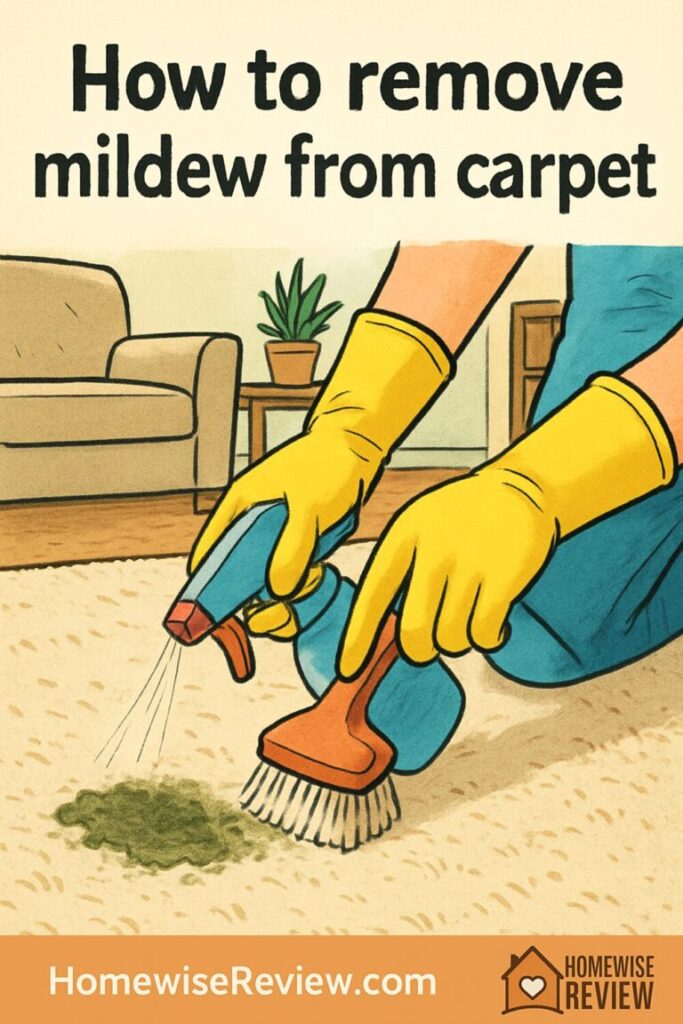
Mildew in carpet leaves a musty smell, ugly stains, and potential health issues, but the right mix of drying, cleaning, and prevention can usually save your flooring.
Mildew in carpet is more than a bad smell. It is a type of mold that thrives in damp fibers, can trigger allergies, and may quietly damage your flooring and padding if you ignore it.
The good news is that small to moderate mildew problems from clean water are often fixable with patient, thorough cleaning. This guide walks you through how to decide whether your carpet can be saved, how to remove mildew safely, and how to keep it from coming back.
Step 1: Decide whether the carpet is worth saving
Before you reach for cleaners, take a hard look at the situation. Sometimes the safest and most cost-effective choice is to remove and replace the carpet instead of trying to rescue it.
Ask yourself these questions:
- How big is the affected area? A few square feet of mildew is a reasonable DIY job. If the mildew covers more than about 10 square feet in one area, it is usually safer to call a professional mold remediation company.
- What caused the moisture? Mildew from a small spill or a one-time leak is easier to handle. Water from sewage, flooding, or a backed-up drain is contaminated and usually means the carpet and padding should be discarded.
- How long has it been wet? Carpet that has stayed damp for more than 24 to 48 hours is at high risk for mold in the padding and subfloor. Long-term dampness often needs professional assessment.
- Who lives in the home? If anyone has asthma, severe allergies, a weakened immune system, or is pregnant, err on the side of caution and consider professional help or replacement.
If the area is small, the water source was clean, and you can fix the moisture problem, you are a good candidate for DIY mildew removal.
Step 2: Make the area safe and stop the moisture
You cannot solve mildew in carpet if the area keeps getting damp. Addressing the moisture source is just as important as cleaning the fibers.
Work through these basics first:
- Fix the leak or dampness source. Repair plumbing leaks, improve drainage outside, or seal foundation cracks. In a humid basement, plan to run a dehumidifier regularly.
- Improve ventilation. Open windows if weather allows, and run exhaust fans. Avoid blowing spores into the rest of the house by closing doors to other rooms when possible.
- Protect yourself. Wear disposable gloves, and ideally a respirator or N95-style mask and eye protection. Mold spores can irritate your lungs and skin, especially when you start cleaning.
- Clear the area. Move furniture and items off the carpet so you can see where the mildew begins and ends. Check behind furniture and in corners where air circulation is poor.
Step 3: Dry the carpet thoroughly before deep cleaning
It might feel backward, but you should focus on drying the carpet before you saturate it with any cleaning solution. A damp, poorly dried carpet is the perfect environment for mildew to return.
Use a combination of these methods:
- Blot up standing water. If the carpet is very wet, use a wet/dry vacuum to extract as much water as possible. In smaller areas, thick towels you press firmly with your feet can pull out a surprising amount of moisture.
- Lift edges if you can. Carefully pull back a corner of the carpet to see if the padding is soaked or smells musty. If the padding is very wet or crumbly, it often needs to be replaced.
- Run fans and a dehumidifier. Aim box fans across the surface of the carpet, not directly down. A dehumidifier nearby speeds up drying and helps prevent more mold growth.
Let the carpet dry as much as possible before you apply cleaners. This might take several hours. The fibers do not have to be bone dry, but they should not feel squishy or saturated.
Step 4: Choose a cleaning method for mildew removal
Once the carpet is mostly dry and the moisture source is under control, choose the cleaning method that fits your situation. Often, a combination works best: a targeted spot treatment followed by a broader clean and then thorough drying again.
Option A: White vinegar solution
White distilled vinegar is a popular choice because it is inexpensive, widely available, and effective at disrupting many types of mildew.
How to use it:
- Mix a solution of 1 part white vinegar to 1 part water in a spray bottle for moderate mildew. For light mildew or delicate carpets, dilute up to 1 part vinegar to 3 parts water.
- Lightly mist the affected area. The carpet should feel damp, not soaked.
- Let it sit for 10 to 15 minutes so the vinegar can penetrate.
- Gently agitate the fibers with a soft brush or clean microfiber cloth, working from the outer edge of the stain toward the center.
- Blot with clean, dry towels to remove moisture and loosened mildew.
Pros: Non-toxic when used correctly, safe for most synthetic carpets, and helps neutralize odors.
Cons: Strong smell while drying, and it may not fully remove deeper mold growth in padding or subfloor. Do not use vinegar on natural stone surfaces nearby, since the acid can damage them.
Option B: Oxygen bleach or hydrogen peroxide
For stubborn stains or light-colored carpets, oxygen-based cleaners or low-strength hydrogen peroxide can brighten fibers while addressing mildew.
How to use oxygen bleach:
- Choose a color-safe, oxygen-based powdered cleaner that is labeled safe for carpet.
- Dissolve it in warm water according to the package directions.
- Test in an inconspicuous corner to make sure it does not change the color.
- Apply with a spray bottle or sponge so the area is damp, not flooded.
- Allow the product to work for the recommended dwell time, then blot and extract.
How to use hydrogen peroxide:
- Use regular 3 percent hydrogen peroxide, not stronger solutions.
- Test in a hidden spot first. Peroxide can lighten some dyes.
- Apply sparingly to light or white carpets only, and let it sit for up to 10 minutes.
- Blot and rinse with a small amount of plain water, then blot again.
Pros: Effective at removing discoloration and brightening dingy areas, especially on light carpets.
Cons: Can fade or spot-damage some carpets, especially wool or richly dyed fibers. Always spot test before using on a larger area.
Option C: Enzyme or anti-fungal carpet cleaner
Commercial carpet products formulated for mold, mildew, or pet stains often contain enzymes or fungicidal ingredients that break down organic matter and help control odor.
How to use them effectively:
- Choose a cleaner specifically labeled for mold, mildew, or pet odor on carpet.
- Follow the dilution and dwell time instructions carefully.
- Apply evenly to the affected area, avoiding over-wetting.
- Work the solution gently into the fibers with a soft brush.
- Extract or blot thoroughly and then dry with fans and a dehumidifier.
Pros: Designed for organic stains and odors, often very effective on musty smells that linger after basic cleaning.
Cons: More expensive than vinegar and may require good ventilation while they dry. Always keep children and pets away until the area is fully dry.
Option D: Steam cleaning or hot water extraction
Steam cleaning or hot water extraction can be a powerful tool against mildew, especially if you are dealing with a larger area or deep pile carpet.
How it works: Hot water and cleaning solution are injected into the carpet and then immediately extracted with strong suction. The heat helps kill spores, while the extraction removes dirt, mildew, and moisture.
When to choose this method:
- When the mildew covers a broad area but the water source was clean.
- When the carpet is valuable enough to justify rental or professional equipment.
- After spot-treating heavily mildewed patches, to refresh the larger room.
If you rent a machine or hire a service, let them know you are dealing with mildew so they can adjust products and drying time. Make sure the carpet is extracted thoroughly, since any leftover moisture can rekindle mold growth.
Step 5: Scrub, rinse, and extract the mildew
Once you have chosen a cleaning solution, work methodically so you do not spread mildew or push it deeper into the carpet.
Use this general process for most solutions:
- Start at the edges. Treat a border around the mildewed area first, then move inward so you are not dragging spores into clean carpet.
- Use gentle agitation. Scrub lightly with a soft brush or microfiber cloth. Aggressive scrubbing can fray fibers or push contamination down toward the backing.
- Limit the water. Your goal is to wet the fibers, not flood the padding. If your hand comes away dripping when you press on the carpet, you have probably used too much liquid.
- Rinse lightly if needed. After the cleaner has done its job, a small amount of clean water can help remove residue. Apply with a spray bottle and immediately blot or extract.
- Extract thoroughly. Use a wet/dry vacuum, carpet cleaner, or plenty of dry towels to pull out as much moisture and loosened mildew as you can.
Step 6: Dry the carpet completely and check for odor
Drying well after cleaning is just as critical as the cleaning itself. Even a trace of lingering moisture can allow mildew to grow back within days.
Here is how to dry effectively:
- Run multiple fans. Aim them so air moves across the surface of the carpet. If possible, create a cross-breeze by opening two windows in the room.
- Use a dehumidifier. Set it to maintain indoor humidity below about 50 percent until the carpet is fully dry to the touch.
- Lift and vent edges. If you previously lifted the carpet, leave those sections propped open with small blocks or plastic cups so air can circulate beneath.
- Add baking soda for odor. Once the carpet is mostly dry, sprinkle baking soda lightly over the area, let it sit for several hours, then vacuum thoroughly. Baking soda helps absorb any remaining musty smells.
After everything is dry, smell the carpet closely and look for any discoloration. If there is still a strong musty odor or visible fuzzy growth, the mildew may have penetrated into the padding or subfloor, and it is time to consider professional help or replacement.
When to call a professional or replace the carpet
DIY mildew removal has limits. Paying for expert help or new flooring can be frustrating, but it is sometimes the healthiest choice.
Consider professional remediation or replacement if:
- The affected area is larger than 10 square feet or involves multiple rooms.
- The carpet has been wet for more than 48 hours, especially in a warm environment.
- You see heavy black, green, or multicolored mold growth, not just light mildew staining.
- The padding or subfloor smells musty even after the carpet seems clean.
- There was any contamination from sewage, river flooding, or backed-up drains.
- Someone in your home has severe allergies, asthma, or other respiratory problems that worsen around the affected area.
Mold remediation professionals can test the extent of the problem, contain the area so spores do not spread, and advise you on what can safely be cleaned versus what must be removed.
How to prevent mildew from coming back
Once you have done the hard work of removing mildew from your carpet, a few habits can drastically reduce the chance of facing it again.
- Control humidity. Keep indoor humidity under about 50 percent with a dehumidifier in damp spaces like basements or bathrooms with carpeted areas.
- Deal with spills immediately. Blot, clean, and dry any spilled liquids right away. Even small, repeated spills can create hidden mildew over time.
- Improve airflow. Do not pack furniture tightly against walls. Leave small gaps so air can circulate and moisture does not build up in dark corners.
- Use area rugs in high-risk spots. In entryways, near exterior doors, or in basements, washable rugs are easier to clean and dry than wall-to-wall carpet.
- Schedule regular deep cleaning. Periodic hot water extraction or steam cleaning, followed by good drying, helps remove the dirt and organic matter mildew feeds on.
With moisture under control and good routine care, clean carpet should stay fresh instead of drifting back to that telltale musty smell.
See also
For tricky mildew spots that will not budge, our stain-rescue decision tree can guide your next move, and a dedicated unit like the one in our Dupray Neat steam cleaner review can add extra sanitizing power for carpets.
- Explore non-toxic cleaning products that are safe for carpet when you want low-fume mildew removers.
- Find pet-friendly cleaning products that still tackle carpet odors if you share your home with animals.
- See our deep-cleaning vacuum review for maintaining cleaner carpets once the mildew is gone.
FAQ
How can I tell if mildew in my carpet is dangerous?
Mildew is a type of mold, so any growth can be a concern, especially for people with allergies, asthma, or weakened immune systems. Small patches from a clean-water spill that you address quickly are usually manageable with careful cleaning and good protective gear. If you see widespread dark growth, if the carpet has been damp for days, or if anyone feels sick or more congested in the room, it is time to call a professional for an assessment. When in doubt, it is safer to treat mold seriously than to assume it is harmless.
Is vinegar enough to kill mildew in carpet?
Vinegar can be very effective on light to moderate mildew that is limited to the surface fibers, especially when you combine it with thorough drying. It helps change the pH so mold has a harder time surviving, and it can reduce musty odors. However, vinegar will not fix a situation where the padding or subfloor is moldy or the carpet has been soaked for days. In those cases, you often need stronger products, professional extraction, or full replacement.
Should I use bleach to remove mildew from carpet?
Chlorine bleach is rarely a good idea on carpet. It can strip color, weaken fibers, and create irritating fumes, especially in enclosed spaces. Bleach also does not always penetrate evenly into carpet backing and padding, so you can be left with both lingering mold and permanent discoloration. In most homes, safer options like vinegar, oxygen-based cleaners, or enzyme products are a better choice for tackling mildew in carpet.
How long does it take carpet to dry after cleaning mildew?
With good airflow and a dehumidifier, most carpets dry at the surface within 6 to 12 hours and are fully dry throughout within about 24 hours. Thick or dense carpets, cool temperatures, and high humidity can stretch that drying time considerably. If the carpet still feels cool and slightly damp after 24 hours, increase ventilation and dehumidification, because slow drying makes it more likely that mildew will return.
How do I keep mildew from coming back in my basement carpet?
Basements are naturally prone to mildew, so prevention is all about moisture control. Run a dehumidifier regularly to keep humidity under 50 percent, and check that gutters, downspouts, and grading move water away from your foundation. Use area rugs that you can lift and dry quickly in spots where moisture is most likely, such as near doors or laundry equipment. Finally, clean and dry any spills or damp patches immediately so they do not have time to turn into another mildew problem.
As an Amazon Associate, we earn from qualifying purchases made through links on our site.