

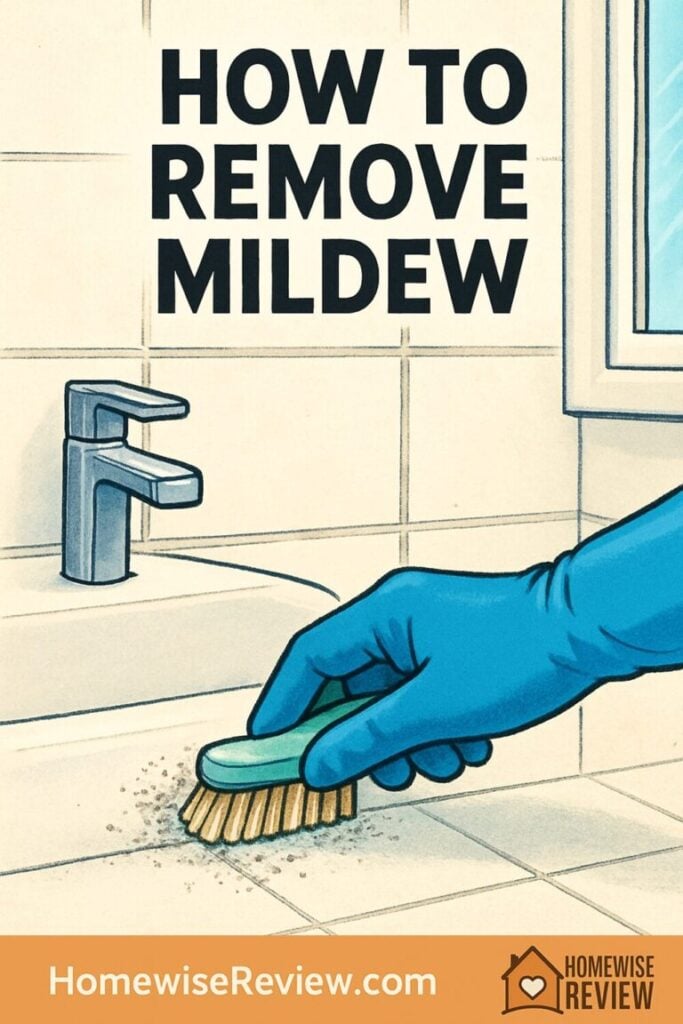
Mildew creeps in quietly, leaving black or gray specks and a stubborn musty smell on your shower, walls, and clothes. Use this step by step guide to clear it safely and keep it from coming back.
Mildew shows up as gray or black speckles in your shower, fuzzy patches on fabric, or a thin film on walls and windows. Left alone, it can stain surfaces, damage materials, and make rooms smell damp and stale.
The good news is that most light to moderate mildew is manageable with basic supplies and a calm, methodical approach. This guide walks you through how to recognize mildew, pick the right cleaner, and remove it from the most common surfaces in your home.
What mildew is and why it keeps returning
Mildew is a type of mold that usually grows on the surface of damp materials. It often looks powdery or patchy, in shades of gray, black, or white, and tends to stay flatter than thicker, fuzzy mold growth. You will often see it in bathrooms, on window frames, on fabric, and in other spots that stay moist and poorly ventilated.
Mildew thrives where there is moisture, warmth, and still air. Steamy showers, slow leaks, wet towels, or crowded closets create perfect conditions. Clearing existing growth is important, but controlling moisture and airflow is what keeps it from coming back.
Before you start: safety, tools, and what to check
Check the size and severity
Most small patches of mildew on tile, grout, caulk, or washable surfaces are safe to handle yourself. As a loose guideline, if the total area is smaller than a few feet across and the surface is not crumbling, DIY cleaning is reasonable.
Consider calling a professional if you notice any of these signs: mildew or mold covering a large area (more than about 10 square feet), strong musty odors that do not go away, soft or crumbling drywall or wood, past flooding, or anyone in the home with serious breathing problems. Those can indicate a deeper moisture and mold issue inside walls or floors.
Protect yourself and the room
Even small mildew patches release spores, so take a minute to protect yourself before you start scrubbing.
- Wear rubber or nitrile gloves to protect your skin.
- Use eye protection if you are working overhead or using stronger cleaners.
- Wear a simple mask if you are sensitive to dust or smells.
- Open a window or run an exhaust fan for ventilation.
- Keep children and pets out of the area until surfaces are clean and dry.
Basic mildew cleaning kit
Gather your tools so you are not running around with wet, soapy hands.
- Rubber gloves and optional safety glasses
- Small scrub brush or old toothbrush for grout and corners
- Soft sponge and non-scratch scrub pad
- Microfiber cloths or old towels for wiping and drying
- Spray bottle for applying liquid cleaners
- Bucket for mixing solutions
- Mild dish soap
- Distilled white vinegar
- 3 percent hydrogen peroxide
- Baking soda for gentle scrubbing
- Optional chlorine bleach for tough stains on colorfast, non porous surfaces
Never mix bleach with vinegar, ammonia, or any other cleaner. Use one product at a time, rinse thoroughly, and let the area air out between different treatments.
How to remove mildew by surface
Showers, tubs, and bathroom tile
Tile, grout, and caulk in showers and around tubs are prime spots for mildew because they stay damp and warm. Start with gentler cleaners first and only move to bleach if needed.
- Ventilate the bathroom, put on gloves, and remove bottles, toys, and mats from the area.
- Mix a solution of equal parts white vinegar and water in a spray bottle. For heavy mildew, you can use undiluted vinegar on most ceramic tile and grout.
- Spray the affected areas until they are fully damp and let the solution sit for 10 to 15 minutes to loosen the growth.
- Scrub grout lines and textured areas with a small brush. Use a non scratch pad on tile surfaces to avoid scratching.
- Rinse thoroughly with warm water and wipe the surfaces dry with a towel or squeegee.
- If staining or spots remain, apply hydrogen peroxide directly to the mildew, let it sit for 10 minutes, then scrub and rinse again.
- For stubborn mildew on white grout or caulk, use diluted bleach on colorfast, non porous surfaces only. A common mix is 1 cup bleach to 1 gallon of water. Apply carefully, let it sit for up to 10 minutes, scrub, then rinse and dry very well.
Do not use vinegar or bleach on natural stone like marble or travertine, which can etch or discolor. For stone surfaces, stick to a pH neutral stone cleaner or mild dish soap in water and consult your stone care instructions.
Painted walls and ceilings
On painted drywall or plaster, excess moisture from leaks or condensation can leave mildew patches or a faint gray film. Go gently so you do not damage the paint or drive moisture deeper into the wall.
- Identify and repair the source of moisture first, whether it is a roof leak, plumbing issue, or condensation from poor ventilation.
- Lightly vacuum the area with a soft brush attachment, if available, to remove loose dust and surface spores. Empty or discard the vacuum bag outside.
- Mix a mild cleaning solution: about 1 teaspoon of dish soap in 1 quart of warm water. For semi gloss or gloss paint, you can also try 1 part vinegar to 3 parts water.
- Test the solution in a small, hidden area to ensure it does not dull or lift the paint.
- Dampen a soft cloth in the solution, wring it out very well, and gently wipe the mildewed area. Avoid soaking the wall.
- For lingering discoloration, dab a bit of hydrogen peroxide on a clean cloth and lightly blot the spots, then allow to fully dry.
- If the wall feels soft, crumbly, or the mildew covers a large area, pause and consult a professional, since damaged drywall often needs to be cut out and replaced.
Fabrics, clothing, and soft items
Clothing, towels, curtains, and soft furnishings pick up mildew quickly and can hold a stubborn musty odor. Treat these items as soon as you notice a problem and always check the care label first.
- If possible, take the item outside so you are not spreading spores indoors. Use a soft brush to gently remove loose mildew from the surface.
- Pre treat washable items by soaking them in a solution of warm water and a quality laundry detergent or oxygen based bleach, following package directions. For whites and colorfast items, you can add a cup of vinegar to help with odor.
- Wash on the hottest water temperature that is safe for the fabric, using your regular detergent. Add an extra rinse cycle to flush away residue.
- Before machine drying, check whether the stains or smell remain. Heat can set mildew stains, so repeat the wash or pre soak if needed.
- Whenever possible, dry items in direct sunlight, which helps fade stains and odor. Make sure everything is completely dry before storing.
For non removable upholstery or mattresses, lightly mist the affected area with a mix of water and a small amount of dish soap, gently scrub with a soft brush, then blot with clean, dry towels. Use fans to dry thoroughly. For large or deep mildew on soft furnishings, professional cleaning is often the safest route.
Wood furniture, trim, and outdoor surfaces
Wood can harbor mildew on the surface without showing deep damage, but too much water can cause warping. Work with light moisture and plenty of drying time.
- Vacuum or dust the mildewed area with a soft brush attachment to remove loose spores. Dispose of the vacuum bag or empty the canister outside.
- Mix a few drops of mild dish soap in a small bucket of warm water. Dampen, then wring out, a soft cloth so it is barely wet.
- Wipe the wood gently with the grain. Do not saturate the surface.
- If spots remain, test a 50:50 vinegar and water mix on an inconspicuous area of finished wood. If the finish looks fine after it dries, lightly wipe the mildewed spots with the solution, then wipe with clean water and dry immediately.
- Run a fan or open windows to help the wood dry completely.
For outdoor wood or hard surfaces like decks, fences, and siding, you can use a scrub brush and an outdoor cleaner or a vinegar and water mix. On non delicate materials, diluted bleach can help clear heavy growth. Always protect nearby plants, rinse thoroughly, and allow surfaces to dry fully in the sun.
Cleaner options: vinegar, bleach, and commercial products
You have several options for tackling mildew. Choosing the right one depends on the surface, how severe the growth is, and your comfort with stronger chemicals.
Using vinegar or hydrogen peroxide
White vinegar is a great first choice for most non stone hard surfaces. It helps break down mildew, deodorizes, and is less harsh than many traditional cleaners. Undiluted vinegar works well on ceramic tile, grout, glass, and washable plastic.
Hydrogen peroxide at 3 percent strength is another useful option, especially on light colored fabrics and some porous surfaces where bleach would be too aggressive. Apply it directly, let it sit for several minutes, then blot or rinse. Do not use vinegar and hydrogen peroxide at the same time on the same surface. Rinse between products and let things dry.
When bleach makes sense
Chlorine bleach is powerful at removing visible stains and disinfecting non porous surfaces, but it is not always necessary and must be handled with care.
- Pros: Very effective on ceramic tile, glass, white grout, and plastic shower curtains. Works quickly on stubborn, dark mildew stains.
- Cons: Strong odor, can irritate skin and lungs, may discolor fabrics and some finishes, and must never be mixed with vinegar, ammonia, or other cleaners.
If you use bleach, stick to a mild solution such as 1 cup of bleach in 1 gallon of water, apply only to colorfast, non porous surfaces, and ventilate the area very well. Rinse thoroughly afterward and dry the area so moisture does not invite new growth.
Commercial mildew removers
Many bathroom and mold and mildew sprays combine surfactants with bleaching agents or other active ingredients. These can be convenient for heavily soiled showers or outdoor surfaces.
Always read the label to confirm the product is safe for your specific surface and follow the directions for contact time before scrubbing or rinsing. Look for lower fume or plant based options if you are sensitive to chemicals, and test in a small, hidden spot before treating a large area.
How to keep mildew from coming back
Once you have cleared visible mildew, keeping the area dry and ventilated is what prevents a repeat appearance. Mold spores are always present in the air, so your goal is to give them nowhere comfortable to grow.
- Run your bathroom exhaust fan during showers and for 20 to 30 minutes afterward, or crack a window to release steam.
- Squeegee or towel down shower walls, glass doors, and tub edges after use so they are not constantly damp.
- Wash bath mats and towels regularly and hang them so they dry completely between uses.
- Keep closets and laundry areas from getting stuffy by leaving a bit of space between items and using a small fan or dehumidifier if needed.
- Fix plumbing leaks and window condensation problems promptly instead of working around them.
- In basements or very humid climates, consider a dehumidifier to keep indoor humidity around 40 to 50 percent.
A quick weekly wipe down of high risk areas like showers, window sills, and around sinks makes it much harder for mildew to gain a foothold again.
See also
If tackling mildew has you rethinking your cleaning supplies, our guide to the best non-toxic cleaning products for families can help you stock safer staples, and our Method all-purpose cleaner review shows how one popular spray performs on everyday messes.
- Use our stain-rescue decision tree to handle tough spots
- Review of the Dupray Neat steam cleaner for hard surfaces
- Rowenta steam station review for high powered deep cleaning
FAQ
What is the difference between mildew and mold?
Mildew is a form of mold, but the term usually refers to a flatter, surface level growth that appears gray, black, or white and often feels powdery or slightly fuzzy. It tends to show up on damp surfaces like showers, windows, and fabrics. Heavier mold growth can be thicker, slimy, or fuzzy, can come in many colors, and may indicate a deeper moisture problem inside walls or materials. Large or persistent growth deserves a professional assessment.
Does vinegar really kill mildew?
White vinegar is acidic and can disrupt many types of mildew on hard, non porous surfaces, especially if used at full strength and allowed to sit for at least 10 minutes before scrubbing. It also helps reduce musty odors. While it may not eliminate every single spore in every situation, it is a very effective first line cleaner for showers, tile, glass, and some fabrics. For severe growth or high risk areas, you may still want a stronger disinfectant or professional help.
How do I get rid of a lingering mildew smell?
A musty smell means moisture and organic residue are still present somewhere. Start by cleaning visible mildew, then dry the area thoroughly with fans and ventilation. For washable fabrics, repeat washing with a long hot cycle and an extra rinse and dry them in the sun if possible. In bathrooms or basements, reducing humidity with exhaust fans or a dehumidifier is crucial. If odor persists even after careful cleaning and drying, there may be hidden mold behind walls or under flooring that needs a professional inspection.
When should I call a professional instead of cleaning mildew myself?
Call a pro if you see mildew or mold covering a large area, if the surface is soft, warped, or crumbling, or if there has been significant water damage or flooding. You should also seek help if there is a strong, constant musty odor you cannot trace, mildew keeps returning quickly after cleaning, or anyone in the household has asthma, severe allergies, or a compromised immune system. Professionals can find and fix hidden moisture sources and safely remove contaminated materials when simple surface cleaning is not enough.
As an Amazon Associate, we earn from qualifying purchases made through links on our site.