

Ink stains are easy to make and surprisingly hard to undo, but a few fast, careful steps can keep them from becoming permanent. Use this guide to match the right ink removal method to your fabric or surface and avoid common mistakes.
Ink stains show up in seconds and then seem to dig in for the long haul. A pen leak in your pocket, a permanent marker on the sofa, or a printer cartridge mishap can all feel like a clothing or furniture disaster.
The good news is that many ink stains can be removed or at least faded so they are hard to see. The key is to move quickly, match your method to the type of ink and surface, and avoid a few common mistakes that lock the stain in place.
Before you start: quick ink stain rules
Ink is basically colored dye in a liquid carrier, so it wants to spread and soak in. Your first steps matter more than any special product you use later.
- Act fast. Fresh ink is far easier to remove than dried ink. Start blotting as soon as you notice it.
- Blot, do not rub. Press gently with a clean white cloth or paper towel. Rubbing drives ink deeper and spreads the stain.
- Work from the outside in. Dab around the outer edge of the stain and move inward so you do not create a larger ring.
- Protect the layers underneath. Put a folded white towel or several paper towels under stained fabric so ink does not transfer to other areas.
- Test in a hidden spot first. On any colored or delicate fabric, test your cleaner on a seam or inside hem to check for color loss.
- Never put a stained item in a hot dryer. Heat can set ink permanently. Only machine dry when the stain is fully gone or nearly invisible.
Know your ink: ballpoint, gel, permanent, and printer
Different inks respond to different cleaners. If you can tell what you are dealing with, you can pick a better method.
Ballpoint and rollerball pen ink
Ballpoint ink is usually oil based. It often looks like a small, dense mark or leak. Alcohol based products work very well on it, which is why rubbing alcohol and some hand sanitizers are popular choices.
Gel and fountain pen ink
Gel and fountain pen inks are usually water based and more dye heavy. They tend to spread and soak quickly. Mild soap, cool water, and oxygen based stain removers often work, but you may need more patience and repeated treatments.
Permanent marker
Permanent markers use solvents and strong dyes to stick to most surfaces. On smooth, hard materials, they can often be removed or faded with alcohol or specialty cleaners. On porous fabrics, full removal is less likely, but you can usually lighten the stain.
Printer ink and toner
Liquid printer ink behaves like a very intense dye. Treat it like gel ink but expect to repeat steps. Toner from laser printers is a powder that melts with heat. Shake off dry toner first, avoid rubbing, and never add heat until you have removed as much as possible in cool water.
How to remove ink from washable clothes
Most everyday clothing can be saved if you work carefully and do not rush it into the dryer. Here is a reliable process that works for many fabrics like cotton, polyester blends, and sturdy shirts and jeans.
Step by step for fresh ink stains on fabric
- Check the care label. Make sure the item is labeled as washable. If it says dry clean only, skip home treatments and call your cleaner for advice.
- Blot up excess ink. Place a white towel under the stained area. Blot the top with another clean cloth or paper towel until no more ink transfers.
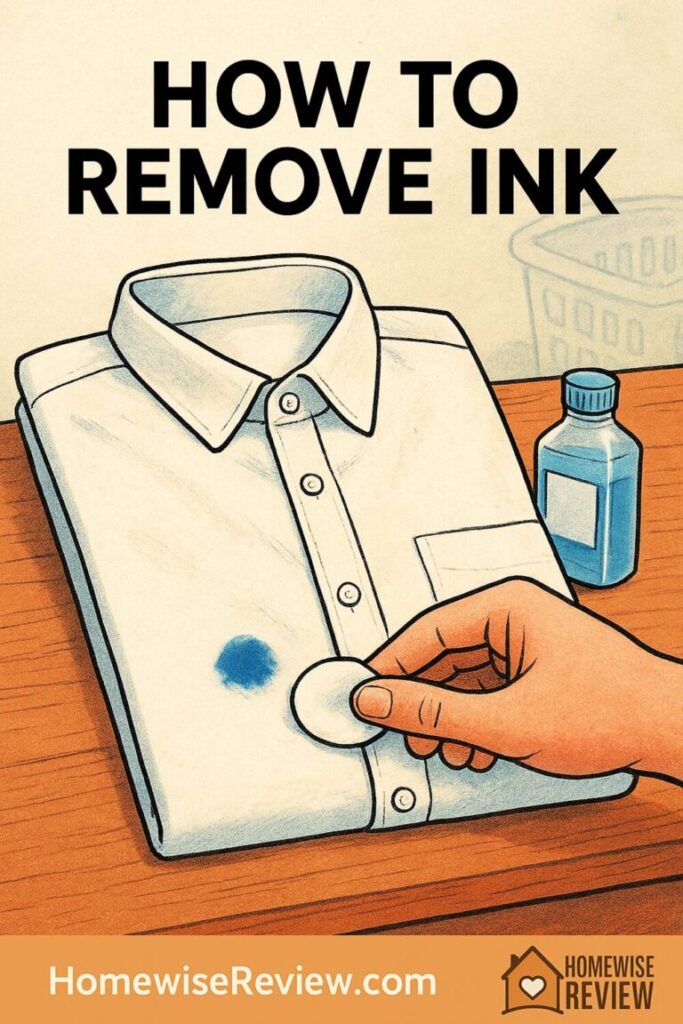
- Apply rubbing alcohol or hand sanitizer. Use a high alcohol content product. Put a small amount on a cotton ball or cloth and dab the stain, working from the outside in. You should see ink transferring to your cloth and into the towel underneath.
- Rinse with cool water from the back. Hold the fabric under a gentle stream of cool water so ink is pushed out the way it came in, not further through the fibers.
- Pretreat with liquid laundry detergent or stain remover. Gently work a bit of liquid detergent or a dedicated stain remover into the damp stain with your fingers or a soft brush. Let it sit for about 10 to 15 minutes.
- Wash in the warmest water safe for the fabric. Follow the care label. Use a good quality detergent and the longest wash cycle that the fabric allows.
- Check before drying. After washing, inspect the area in good light. If you still see ink, repeat the alcohol and detergent steps before putting the item in the dryer.
What to use on stubborn ink stains
- Rubbing alcohol (isopropyl). Very effective on ballpoint and many marker stains. It evaporates quickly, which helps keep the area from getting too wet.
- Clear hand sanitizer. Handy in a pinch because it often contains alcohol and thickens slightly so it stays on the stain. Avoid colored or heavily scented versions that can add new stains.
- Oxygen based stain removers. Powder or liquid stain removers that release oxygen in water are helpful on dye heavy inks, especially on whites and colorfast fabrics. Follow label directions and soak only as long as recommended.
- Mild dish soap. For delicate fabrics or water based inks, a few drops of clear dish soap in cool water can lift ink without harsh chemicals.
Special cases: delicates and dark colors
Silk, wool, and rayon can be damaged by alcohol and aggressive scrubbing. For these, blot gently, test any cleaner in a very hidden spot, and lean toward mild soap and cool water. When in doubt, take the item to a cleaner and point out the ink stain.
Dark or bright colors may bleed if you use strong cleaners. Always test first and keep contact time short. Rinse thoroughly after each treatment to remove leftover product that might fade the dye.
How to get ink out of upholstery and carpet
Upholstery and carpet are trickier because you cannot rinse them under running water. The goal is to lift the ink without soaking the padding or backing.
Upholstery: sofas, chairs, car seats
- Blot immediately. Use a white cloth or paper towel and press gently to pick up excess ink. Rotate to a clean area as ink transfers.
- Test cleaner in a hidden area. On the back or under a cushion, test a small amount of rubbing alcohol or upholstery cleaner to check for color change.
- Apply cleaner sparingly. Dampen a cloth with rubbing alcohol, then dab the stain lightly. Avoid pouring cleaner directly on the fabric.
- Blot with a dry cloth. After each pass with cleaner, blot with a dry cloth to lift ink and moisture.
- Rinse with a damp cloth. Wipe the area lightly with a clean cloth moistened with plain water to remove cleaner residue, then blot dry.
If the stain is large, the fabric is very expensive, or the label recommends professional cleaning only, consider calling an upholstery cleaner, especially for permanent marker or printer ink.
Carpet and rugs
- Blot, do not scrub. Press straight down with paper towels or a white cloth. Scrubbing can fray carpet fibers and spread the stain.
- Apply rubbing alcohol or carpet stain remover. Dampen a cloth with the product, then gently dab the ink. Work from the outside in.
- Blot with plain water. Use a clean, damp cloth to lift remaining cleaner and ink. Follow with a dry towel to remove moisture.
- Repeat as needed. Several light treatments are safer than one heavy soaking.
Removing ink from leather, vinyl, and handbags
Leather and vinyl can sometimes release ink, but they can also discolor or lose their finish if you use harsh cleaners. Always test first and go slowly.
Step by step for leather and faux leather
- Blot gently. If the ink is fresh, use a dry, soft cloth to lift the excess. Do not spread the stain.
- Try mild soap first. Mix a drop of gentle liquid soap in warm water. Lightly dampen a soft cloth and wipe the stain with small, quick strokes, then dry with another cloth.
- If needed, use a tiny amount of rubbing alcohol. Put a small amount on a cotton swab and dab only the ink spot, then quickly wipe with a damp cloth and dry. Watch the surface closely for any lightening or roughness.
- Condition the leather. After cleaning, apply a leather conditioner to restore moisture and shine.
For expensive bags, jackets, or furniture, it is often safer to ask a leather specialist or repair shop before trying anything stronger than mild soap and water.
How to remove ink from skin and hard surfaces
Ink on skin
Ink on skin is usually more annoying than harmful, and it typically fades within a day or two. If you want it gone sooner, try one of these methods.
- Soap and warm water. Wash the area with regular hand soap and a washcloth, rubbing gently.
- Oil based removers. A small amount of baby oil, coconut oil, or even plain lotion can loosen ink. Rub in circles, then wash with soap and water.
- Rubbing alcohol. For very stubborn marks, dab a little rubbing alcohol on a cotton ball, rub gently, then rinse and moisturize. Avoid using this on broken or irritated skin.
Hard surfaces like desks, counters, and walls
How you treat ink on hard surfaces depends on whether the surface is sealed and how glossy it is.
- Nonporous surfaces such as laminate desks, sealed countertops, tile, and most plastics usually clean well with rubbing alcohol on a cloth. Wipe, then follow with a damp cloth and dry.
- Painted walls are more delicate. Start with a soft cloth and soapy water. If ink remains, try a very small amount of rubbing alcohol on a cloth, dab lightly, then wipe with plain water. Do not scrub aggressively or you can remove the paint.
- Textured plastic and appliance surfaces may respond to a melamine sponge used very gently. Test in a hidden spot first, since these sponges can dull shiny finishes.
When ink will not come out completely
Some ink stains simply cannot be fully erased. Set in stains that have been through a hot dryer, heavy permanent marker on light fabric, and deep printer ink in carpet padding may always leave some trace.
At that point, your options are to fade the stain as much as possible, cover it with a patch or creative repair, or retire the item. Knowing when to stop scrubbing can save fabric fibers, finishes, and your time.
See also
For step by step help on tough clothing stains, visit our Ink stain rescue decision tree and compare detergents with our powder vs liquid detergent guide.
- Gentle laundry detergents and additives for itchy skin
- In depth review of Seventh Generation Free & Clear detergent
- Laundry routines that help with allergies and eczema
FAQ
Can I use hairspray to remove ink?
Older hairsprays worked on ink mainly because they contained a lot of alcohol. Many newer formulas use less, so they are not as effective. If you want to try hairspray, choose a simple, clear version, test it in a hidden area, and remember that plain rubbing alcohol is usually more reliable and leaves less sticky residue.
Does vinegar remove ink stains?
Vinegar by itself is not very effective on most ink stains because ink is designed to resist mild acids. It can help as part of a soaking solution with detergent on some fabrics, but rubbing alcohol, oxygen based stain removers, and good quality laundry detergent are usually better choices for ink.
Is ink permanent once it has gone through the dryer?
Heat from a dryer does make ink much harder to remove, but you can sometimes still improve the stain. For set in ink, try repeated treatments with rubbing alcohol and a strong stain remover, then wash and air dry. You may not get the fabric back to perfect white, but you can often fade the stain enough that it is not obvious.
What if I do not know what kind of ink caused the stain?
When the ink type is a mystery, start with the safest approach. Blot, then try mild dish soap and cool water on a small area. If that does not help and the fabric seems sturdy and colorfast, move up to rubbing alcohol. If you see any color bleeding or damage, stop and consider a professional cleaner.
Are ink stain removers safe for sensitive skin?
Many stain removers work well but leave residue that can bother sensitive skin if you do not rinse thoroughly. If you or someone in your home has allergies or eczema, use fragrance free detergents and stain removers when possible, and always run an extra rinse. Washing stained items separately can also help reduce leftover product on the rest of your laundry.
As an Amazon Associate, we earn from qualifying purchases made through links on our site.