

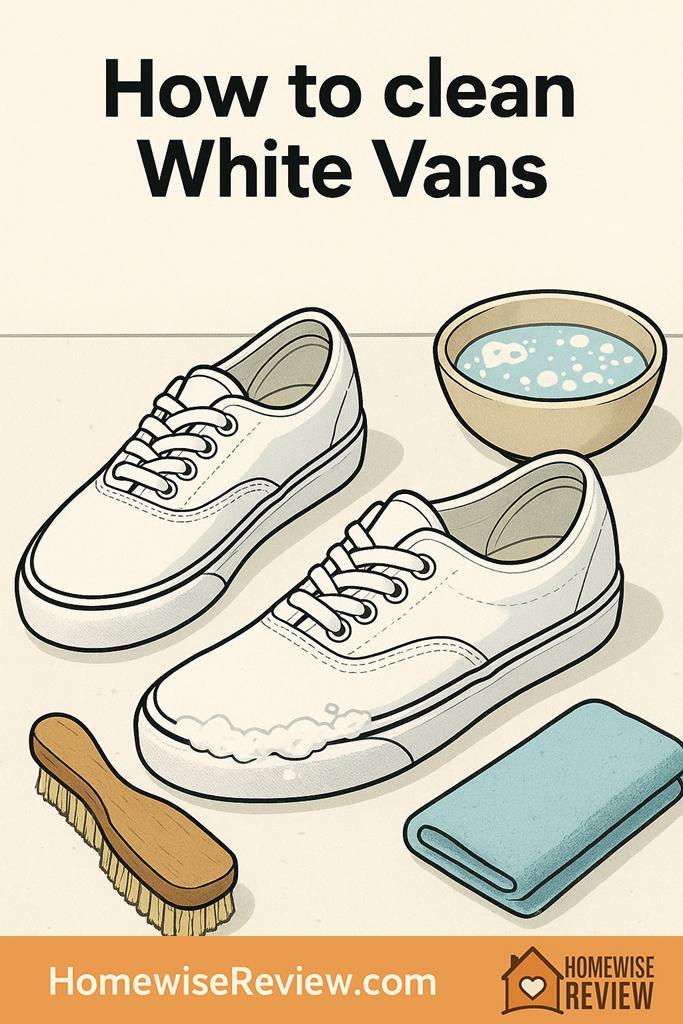
White Vans look great for about five minutes, then the rubber scuffs, the canvas dulls, and mystery stains show up. These steps clean them safely, brighten them up, and help you avoid the yellowing that ruins a “fresh” pair.
Cleaning white Vans is a little different than cleaning most sneakers because you are dealing with two surfaces that stain differently: fabric (usually canvas) and rubber (the foxing strip and toe bumper). The goal is to lift dirt and oils without soaking the shoe, loosening glue, or leaving behind residue that turns yellow as it dries.
Below is a practical, low-risk process you can do at home with basic supplies, plus options for common problems like grass stains, black scuffs, and dingy rubber.
Know what you are cleaning (it changes the method)
Before you start, check the upper material and any overlays. Many “white Vans” look similar from a distance but clean very differently up close.
Common white Vans materials and what that means
- Canvas: Tolerates gentle scrubbing and mild soap. Avoid heavy soaking, which can leave tide lines.
- Leather or synthetic leather: Needs less water. Too much moisture can cause wrinkling or dull patches.
- Suede or nubuck: Water can darken and set stains. Use suede-specific methods, not the wet scrub steps below.
- White rubber foxing/toe bumper: Handles more scrubbing than canvas, but harsh bleach can yellow it over time.
Pick the right level of cleaning
If your shoes are only lightly dusty, a full wet wash can make them look worse by spreading grime into the fabric. Match your approach to the problem.
| Situation | Best approach | Time | Lowest-risk products |
|---|---|---|---|
| Light dirt, everyday dullness | Dry brush, then gentle soap wipe | 10 to 15 min | Dish soap + warm water |
| Visible stains on canvas | Targeted spot clean, then feather outward | 15 to 25 min | Laundry detergent solution |
| Black scuffs on rubber | Rubber-only scrub (more pressure is OK) | 5 to 10 min | Baking soda paste or melamine sponge |
| Overall dingy, smells, grimy insoles | Full deep clean (laces, uppers, rubber, insoles) | 30 to 45 min + dry time | Detergent + soft brush |
What to gather (simple checklist)
You do not need specialty sneaker products for most messes. What matters is using the right brush and not over-wetting the canvas.
- 2 bowls: one for cleaning solution, one for plain rinse water
- Mild dish soap or liquid laundry detergent (no bleach additives)
- Soft brush (old toothbrush works) plus a slightly stiffer brush for rubber
- 2 to 3 clean microfiber cloths or soft rags
- Baking soda (optional, helpful for rubber and odors)
- Melamine sponge (optional for rubber scuffs)
- Paper towels or a dry towel for stuffing
Spot test in 30 seconds
On canvas, test your solution on a small inside area near the tongue or heel collar. If you see color transfer, discoloration, or a roughened patch after drying, stop and switch to a gentler solution.
Step-by-step: the safest deep clean for white canvas Vans
This method is built to avoid two common problems: gray haze from re-deposited dirt and yellowing from leftover cleaner.
1) Remove laces and dry brush first
- Take laces out and set aside.
- Tap soles together outside to knock loose grit.
- Use a dry brush to sweep dust and sand off the canvas and out of seams.
Dry brushing matters because wet grit turns into muddy streaks that spread when you scrub.
2) Mix a gentle cleaning solution
- Everyday mix: 1 to 2 drops of dish soap in 2 cups of warm water.
- Grimy mix: 1 teaspoon liquid laundry detergent in 2 cups warm water.
Keep it lightly sudsy, not foamy. Too much soap is a fast path to residue and dull fabric.
3) Clean the canvas in small sections (do not flood it)
- Dip the brush, then blot excess water on a cloth so the brush is damp, not dripping.
- Scrub a section about the size of your palm using gentle, circular strokes.
- Immediately wipe that area with a clean, damp cloth (plain water) to lift loosened dirt.
- Feather outward into clean areas to avoid hard “clean lines.”
If the canvas is still gray after one pass, repeat rather than scrubbing harder. Over-scrubbing can fuzz the fabric and make it look older.
4) Clean stitching and seams with controlled moisture
Dirt hides where canvas meets rubber and along stitched panels. Use the toothbrush tip to work cleaner into seams, then wipe with a damp cloth until the cloth stops picking up suds.
5) Scrub the rubber foxing and toe bumper last
- Make a paste: 1 tablespoon baking soda + 1 tablespoon water.
- Apply to the rubber only and scrub with a stiffer brush.
- Wipe clean with a damp cloth, then a dry cloth.
Rubber can take more pressure than canvas. Just keep the paste off the fabric, where it can leave a chalky ring if it dries.
6) Rinse by wiping, not by running under water
Instead of holding the shoes under a faucet, wipe them down with a cloth dipped in clean water and wrung out well. Repeat until you no longer feel slickness from soap when you rub the canvas with a clean, wet fingertip.
7) Dry correctly so they do not warp or yellow
- Stuff shoes with paper towels or a dry towel to hold shape and pull moisture from the inside.
- Air dry at room temperature with good airflow.
- Keep them out of direct sun and away from heaters or vents.
Heat can soften glue and cause separation. Direct sun can contribute to yellowing, especially if any cleaner residue remains.
How to clean white Vans laces (and get them actually white)
Laces often hold onto body oils and sidewalk grime, which can make your freshly cleaned shoes still look dingy. Cleaning them separately gives you the biggest “new shoe” payoff for the least effort.
Quick soak method
- Soak laces in warm water with a few drops of dish soap for 15 to 30 minutes.
- Rub the lace against itself, focusing on stained areas.
- Rinse thoroughly and air dry flat.
If they are still gray, repeat with a small amount of laundry detergent. Avoid chlorine bleach on laces that will sit against rubber, as bleach residue can contribute to yellowing over time.
How to clean insoles and remove odor (without soaking the shoe)
Most of the smell lives in the insole and footbed, not the canvas. If your Vans have removable insoles, take them out. If not, clean in place with minimal moisture.
Removable insoles
- Scrub gently with a toothbrush and mild soapy water.
- Wipe with a cloth dampened in clean water until residue is gone.
- Sprinkle a light layer of baking soda and let sit overnight, then tap or vacuum off.
Non-removable insoles
- Dampen a cloth with soapy water and wipe the footbed (do not pour water inside).
- Wipe again with a clean, damp cloth to remove soap.
- Dry with a towel, then let air dry fully before wearing.
Odor comes back fastest when shoes never fully dry. Rotate pairs if you can, or give them a full 24 hours between wears.
Targeted fixes for common white Vans problems
Some stains need a more specific tactic than general soap and water. Use the right fix to avoid spreading the stain or setting it deeper.
Black scuffs on the rubber
- Start with a damp cloth and a drop of dish soap.
- If the scuff remains, use a melamine sponge lightly on rubber only.
- Wipe clean and dry right away.
Melamine works like very fine sandpaper. It is great on rubber, but it can dull some printed logos or remove surface finish if you scrub too hard.
Grass and ground-in dirt on canvas
- Dry brush first to remove loose grit.
- Spot clean with detergent solution, then feather outward.
- Wipe rinse repeatedly so green tint does not spread.
If the stain is old, you may need two rounds with full drying in between. That prevents you from over-wetting the shoe while chasing a stubborn spot.
Yellowing on white rubber (foxing strip)
Yellowing is often a mix of oxidation, embedded grime, and cleaner residue. Try this order from gentlest to strongest.
- Step 1: Baking soda paste scrub, wipe clean thoroughly.
- Step 2: Melamine sponge on rubber only, wipe clean.
- Step 3: Re-clean with plain water wipes to remove any leftover product film.
If the rubber still looks yellow, it may be permanent aging rather than dirt. At that point, focus on getting it evenly clean rather than perfectly bright.
Can you put white Vans in the washing machine?
You can, but it is not the best first choice. Machine washing can miss the rubber scuffs you actually see, and it can also cause warping, fraying, and longer dry times that lead to odor.
If you decide to machine wash anyway
- Remove laces and insoles.
- Brush off loose dirt first.
- Put shoes in a mesh laundry bag with a few towels to reduce banging.
- Use cold water, gentle cycle, small amount of mild detergent.
- Air dry only, stuffed for shape.
Skip bleach, hot water, and the dryer. Heat is the fastest way to loosen adhesive and distort the sole.
How to keep white Vans cleaner longer
The easiest way to “clean” white shoes is to reduce how deep stains get in the first place. A few small habits make a noticeable difference.
- Wipe the rubber weekly: A damp cloth takes 30 seconds and prevents black scuffs from building up.
- Handle stains immediately: Fresh stains lift with mild soap. Old stains often need repeated cycles.
- Let them dry fully: Do not store them in a closed gym bag or dark closet while damp.
- Alternate pairs when possible: Giving shoes a day to dry reduces odor and slows fabric breakdown.
Bottom Line
To clean white Vans safely, dry brush first, use a mild detergent solution with controlled moisture, wipe-rinse thoroughly, then air dry away from heat and sun. Save stronger abrasion (baking soda paste or melamine sponge) for the rubber only, where most scuffs live.
See also
Not sure what you are dealing with? Start with our stain-rescue decision tree, then use these grease-removal steps for shoes if the mark is oily or waxy.
- How to remove mildew from leather shoes
- Method all-purpose cleaner: what it is good for (and what to skip)
- Scrub Daddy sponges review for scuffs and rubber cleaning
Frequently Asked Questions ▾
How do I clean white Vans without turning them yellow?
Avoid chlorine bleach and avoid leaving soap in the fabric. Use a small amount of mild cleaner, wipe-rinse thoroughly with clean water, and air dry out of direct sun and away from heaters. Yellowing is often residue plus heat or UV exposure.
Is baking soda safe for white Vans?
Baking soda is generally safe on the rubber foxing and toe bumper, especially as a paste scrubbed and wiped clean. On canvas, it can leave a chalky ring if it dries in the fabric, so keep it off the upper unless you are using a very controlled spot method and rinsing well.
What is the best way to remove black scuffs from the rubber?
Start with dish soap and a brush. If the mark stays, a melamine sponge used lightly on rubber only usually lifts scuffs quickly. Wipe afterward with a damp cloth so any residue does not dry onto the surface.
Can I use a Magic Eraser on the white canvas part?
It is not recommended. Melamine sponges can abrade fabric, roughen the weave, and create a fuzzy patch that grabs dirt more easily. Reserve them for rubber and use a brush and mild detergent for canvas.
How long do white Vans take to dry after cleaning?
Plan on at least overnight, and often 24 hours, depending on humidity and how wet they got. Stuffing the shoes with paper towels and changing the stuffing once helps them dry faster and keeps the shape crisp.
As an Amazon Associate, we earn from qualifying purchases made through links on our site.