

Discover how to build a flexible project pan that helps you appreciate your current makeup, avoid burnout, and finish products kindly and effectively.
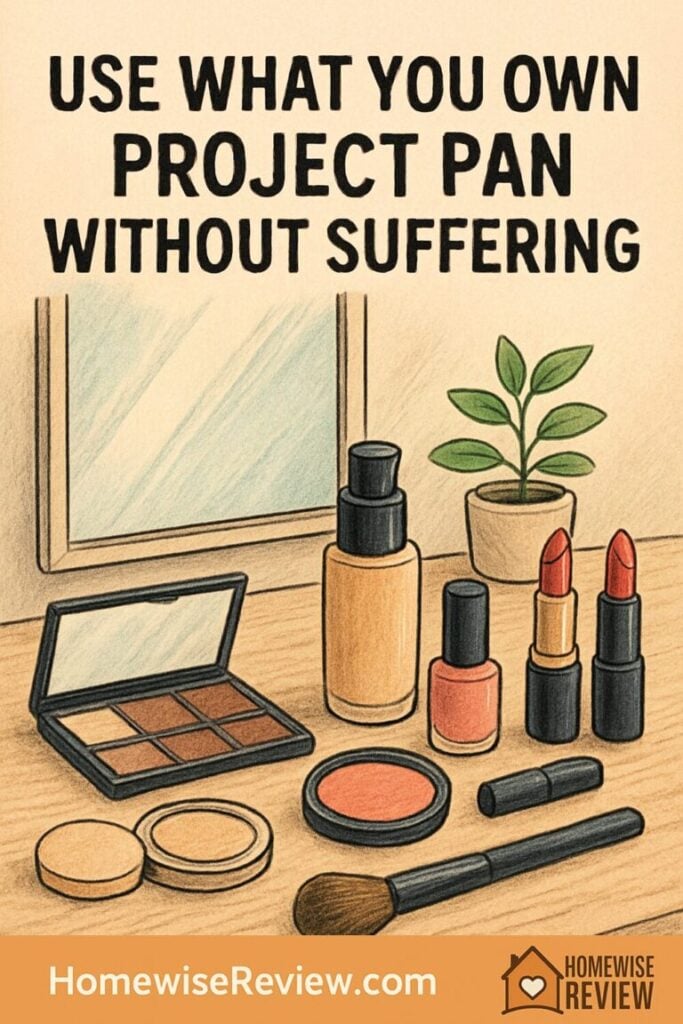
You want to use the beauty products you already own, but every project pan you try ends in boredom, guilt, and a rebound shopping spree. Build a kinder, smarter plan that respects your time, budget, and love of makeup so you actually stick with it.
Does your makeup drawer make you feel more guilty than glam? A use what you own project pan can be a great way to love your current collection, save money, and finally see the bottom of some pans. The problem is that traditional project pans can feel like a punishment, not a joy.
You do not have to suffer through months of forcing yourself to use a drying foundation or a lipstick that makes you feel blah. With a few smart choices up front, you can design a project pan that feels motivating, flexible, and kind to your real life.
What a “use what you own” project pan really is
A project pan is simply a focused effort to use certain products consistently so you hit pan or finish them. A use what you own version puts the focus on enjoying and appreciating your current collection, not restricting yourself just for the sake of rules.
The goal is to create a small, intentional group of products you commit to using for a set time. You can aim to finish them, hit visible progress, or just reach a specific number of uses. The key difference from a strict no buy is that this is about attention and habits, not punishment.
Why project pans often feel miserable
If you have tried a project pan before and hated it, the problem was probably the structure, not you. Common mistakes set you up to suffer.
- Too many products. Choosing half your collection at once makes every getting ready session feel like homework.
- Only hard or disliked items. Filling the project with products you already struggle to use is a recipe for resentment.
- All or nothing rules. Vowing to never touch anything outside the project feels rigid, so you either rebel or quit.
- No time limit. Open ended projects quickly lose their urgency and excitement.
When you fix these four issues, a use what you own project becomes much lighter. You can still see real progress without sacrificing creativity or comfort.
Step 1: Set a kind, specific intention
Before you pull out any products, decide why you want a project pan. A clear, kind intention will guide every choice and keep you from turning this into a self blame exercise.
Some helpful intentions:
- Reduce impulse makeup spending for the next few months.
- Finish open products so your drawers feel less crowded.
- Rediscover forgotten favorites and build a simple daily routine.
- Test whether certain formulas still work for your current skin and style.
Next, choose a time frame. For most people, 8 to 12 weeks is the sweet spot. It is long enough to see real progress, but short enough that you do not feel trapped with the same bronzer for eternity.
Step 2: Shop your stash with a plan
Gather and edit quickly
Pull out the categories you use most: base, cheeks, eyes, lips. Scan for anything clearly expired, separated, smelly, or that has changed color or texture. Those do not belong in a project pan at all; they belong in the trash so they do not irritate your skin or eyes.
If there are products that have already broken you out or stung your eyes, set them aside for now. You can later decide whether to patch test carefully, check for ingredient clashes, or simply declutter them. Your project pan should never ask you to power through discomfort.
Pick a realistic number of products
A use what you own project pan works best when it feels small and focused. For a first round, try:
- 1 base product (tinted moisturizer, foundation, or BB cream)
- 1 concealer
- 1 powder or bronzer
- 1 blush
- 1 to 3 eye products (a small palette, single shadow, or liner)
- 2 to 3 lip products
If you are a minimalist, you can go even smaller, for example five products total. If you are very comfortable rotating makeup, you might go up to 15, but only if you actually apply makeup most days. Fewer products usually means clearer progress and less overwhelm.
Mix easy wins with slow burns
Not every item in your project should be a giant, tightly packed pan. Choose a mix of products so you can see different types of progress.
- Easy wins: Travel sizes, almost empty bottles, older lip balms, or products you already reach for often.
- Slow burns: A favorite blush or bronzer that you know you will use for years but want to see a dip in.
Easy wins keep you energized, because you will finish something within a few weeks. Slow burn items build the habit of reaching for specific products without pressure to finish them completely.
Step 3: Choose the project pan style that suits you
There is no single correct way to pan. Pick a style that matches your personality, energy, and schedule.
Finish it up pan
You pick a small number of products and commit to finishing them. This works well for skincare, base products, and lip balms that you already use daily.
Pros: Very satisfying empties and clear progress. Cons: Can feel restrictive with colorful items like eyeshadow or bold lipstick.
Usage goal pan
Instead of finishing, you aim for a specific number of uses, for example “use this blush 30 times” or “reach for this palette twice a week.” Mark tallies on a sticky note or in a notebook.
Pros: Perfect for big powders and eyeshadow palettes. Encourages experimentation and different looks. Cons: Requires tracking, which some people find annoying.
Rolling project pan
In a rolling pan, when you hit your goal on one item, you roll it out and roll a new one in. Your overall project size stays the same, but the contents evolve over the months.
Pros: Keeps things fresh and gives regular hits of excitement. Cons: Requires a bit more planning and decision making over time.
Category focused pan
Here you focus on one problem area, such as “lipstick overload” or “too many open mascaras.” You select a small group within that category and give them special attention for the project window.
Pros: Great for tackling a cluttered drawer or a repeated buying habit. Cons: Can feel repetitive if the category does not spark joy for you right now.
You can also combine styles, for example finish it up goals for skincare and usage goals for color cosmetics.
Step 4: Set flexible rules that prevent burnout
Once you have your products and style, decide on a few simple rules. The point is not to trap yourself but to give your project clear edges so you know when you are succeeding.
Helpful, gentle rules might include:
- Time frame: “This project runs from today until the end of next month.”
- Primary use rule: “On weekdays, I will start by using my project pan items, then add anything else I want.”
- Free play days: “On weekends or special occasions, I can use anything in my collection, no rules.”
- Swap passes: “Once a month, I can swap out one item that is not working and replace it with something else.”
Build in exceptions before you start. For example, you might allow yourself to buy replacements for true staples that run out, or to purchase one planned item per month if you hit a certain number of uses or empties. Structure plus flexibility is what keeps a project pan from feeling like a crash diet.
Step 5: Track progress in a way that feels good
You do not need an elaborate spreadsheet unless that truly excites you. Choose the lightest tracking system that still lets you see progress, because seeing progress is what makes a use what you own project satisfying.
Simple options include:
- Taking a quick photo of your products at the start, halfway point, and end.
- Marking fill lines on bottles with a fine marker.
- Keeping a tiny usage tally on a sticky note attached to the mirror.
- Using a bullet journal habit tracker for daily or weekly use goals.
If tracking starts to feel obsessive or stressful, scale it back. The goal is to notice and celebrate your effort, not to collect perfect data.
Step 6: Make the project enjoyable day to day
To stick with your project, your daily routine needs to feel at least a little bit fun. Think about what genuinely makes you enjoy putting on makeup or doing your skincare.
Ideas to keep the mood up:
- Create two or three “go to” looks using only project pan items, and save photos or notes so you can recreate them fast.
- Set a playlist or podcast you only listen to while getting ready, so the routine feels like a treat.
- Use your project products for at home spa moments so they feel indulgent, not obligatory.
- Pair challenging items with comforting ones, for example a bold lipstick with your favorite base and blush.
Also pay attention to comfort. If a foundation looks fine but feels heavy by noon, do not force yourself to wear it daily. You can move it to “special event” use or let it go entirely.
Step 7: Know when to let a product go
Part of using what you own is learning which products do not deserve more of your time or skin space. Hanging on to something that irritates you or never looks quite right is its own kind of waste.
Let it go immediately if:
- The product smells sour, musty, or different than when you bought it.
- The texture has separated, clumped, or grown a weird film.
- It causes burning, stinging, itchiness, or breakouts that you can trace back to that item.
For new or borderline products, you may want to patch test again on a small area or check for ingredient combinations that could be clashing with other items in your routine. If something still does not work after that, allow yourself to declutter it without guilt. You learned something about your preferences and your skin, and that knowledge is part of the value you got from the purchase.
Step 8: Support your project with good hygiene and tools
A use what you own project means the same products touch your face often, so good hygiene protects your skin and makes the experience more pleasant. Clean tools help makeup apply better and can even make older formulas perform more smoothly.
Plan a simple cleaning ritual for brushes, sponges, and reusable applicators. Even a weekly deep clean for your most used tools plus quick rinses in between can reduce buildup and breakouts. This keeps your focus on enjoying your products, not fighting texture and patchiness from dirty brushes.
Step 9: Set gentle shopping boundaries
Many people start a use what you own project because they want to spend less. Extreme no buy rules can backfire, though, and lead to binge shopping later. Instead, decide on a few clear boundaries that respect your budget and your love for beauty.
Examples of balanced guidelines:
- Create a running wish list and enforce a 7 to 30 day waiting period before buying anything on it.
- Allow only true replacements for categories where you have just one favorite formula, such as mascara or brow gel.
- Choose a number of “fun buys” you are comfortable with for the project window, like one new item after every five empties.
When something tempts you, compare it to what is already in your project. Ask: “Would this actually do a job none of my current items can do?” Very often, the answer is no, and you can enjoy the thrill of using what you already own instead.
See also
For a smoother beauty routine, start with our guide to auditing your routine to identify what to keep or discard.
- Learn about makeup shelf life and storage to know when it’s time to toss products during your project pan.
- Explore how to simplify your collection by building a seasonal beauty capsule tailored to your needs.
- Discover practical tips on creating a micro beauty drawer that keeps your must-haves handy and organized.
- Find out how to store your makeup and skincare in a tiny bathroom without creating clutter or stress.
FAQ
How many products should I put in my first use what you own project pan?
For a first round, aim for 6 to 12 products total. That is enough variety to create complete looks without overwhelming you. Include one item in each key category you use most days, plus a couple of fun extras like a favorite lipstick or a small eyeshadow palette. You can always increase the number in your next round if this feels too easy.
Can I still buy new makeup while I am doing a project pan?
Yes, you can, but it helps to set clear boundaries before you start. Many people find it useful to allow only replacements for true staples that run out, or to limit themselves to a small number of carefully planned purchases during the project window. The point is not to forbid every new item, it is to shift your attention toward appreciating and using what you already have.
What should I do if I end up hating a product in my project pan?
Give yourself permission to remove it from the project. First, check whether you can adjust how you use it, for example sheering out a heavy foundation with moisturizer or using a too bright lipstick as a blush. If you still dislike it or it never wears well, declutter it or pass it on if that is safe and hygienic. Sticking with a product you hate is more likely to make you quit the project entirely.
How long should a use what you own project pan last?
Most people do best with projects that last between 8 and 12 weeks. That is enough time to see dips in powders, real progress on creams, and maybe a few empties without getting bored. If you are new to project panning or have a very changeable routine, you might start with a 4 to 6 week mini project, learn from that experience, and then design a longer round.
How do I handle expired or irritating products when I am trying not to waste money?
Using up something that is expired or hurts your skin is not a good way to save money, it just creates a different problem. Toss products that smell off, have changed color or texture, or cause burning, stinging, or breakouts that you can clearly link to that item. For newer products that might be reacting badly with the rest of your routine, you can do a small patch test and adjust your combinations, but if issues continue, let them go. Protecting your skin and eyes is always more important than squeezing out every last drop.
As an Amazon Associate, we earn from qualifying purchases made through links on our site.