

Master a calm 5–15 minute routine that brightens, hydrates, and shields your skin for an even, makeup-ready look by midday.
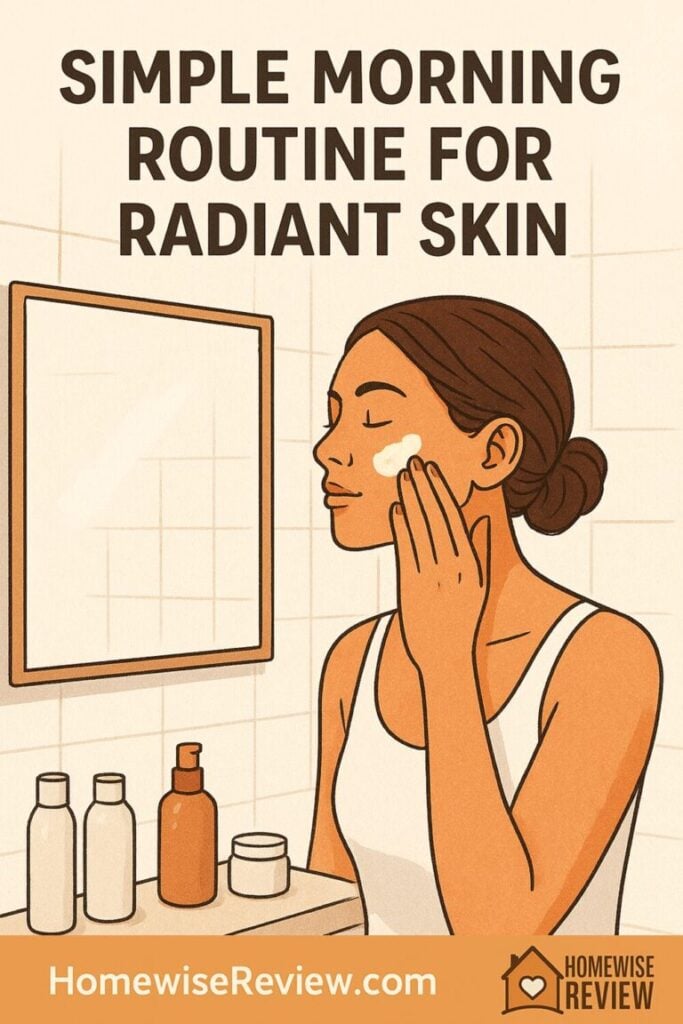
You do not need a 12-step ritual to glow. A simple, consistent morning routine can brighten, hydrate, and protect your skin so makeup goes on smoother and your complexion looks more even by lunchtime.
Radiant skin in the morning comes from two things: smart protection and light hydration. You do not need a complicated lineup or a bathroom full of bottles. You need the right products in the right order, applied consistently. This guide shows you how to build a simple morning routine you can finish before your coffee cools, with clear steps, time-saving tips, and realistic fixes for common issues like dullness, shine, and pilling.
What your morning routine should actually do
Your daytime routine is defense mode. At a minimum, it should:
- Remove sweat, light oil, and any residue from the night so you start with a clean canvas.
- Boost daily protection with antioxidants to fight pollution and light-induced free radicals.
- Replenish water so your skin looks plump and makeup applies smoothly.
- Shield with broad-spectrum SPF to prevent sun damage, dark spots, and premature lines.
That is it. If you remember nothing else, focus on cleanse, treat, moisturize, and protect.
Choose your core products
Pick one from each category below to keep your routine simple and effective.
1) Cleanser: find the gentlest option that still feels clean
Morning cleansing should be quick and mild. Overwashing can cause tightness and midday oil rebound.
- Gel or foaming cleanser for normal to oily skin. Look for words like sulfate-free. A tiny amount is enough.
- Cream or milk cleanser for normal to dry or sensitive skin. These cushion the skin and rinse clean without stripping.
- Micellar water if you exercise or want a no-rinse option. Wipe gently, then splash with water.
- Plain water rinse if you have dry or very sensitive skin and went to bed clean. This can be enough on non-sweaty mornings.
Quick guide to decide:
- If your face feels greasy on waking or you use occlusive night creams, cleanse with a gel or cream cleanser.
- If your skin feels balanced and calm, try a water rinse or micellar water to keep your barrier happy.
Pros and cons of common cleanser types:
- Gel Pros: refreshing, good for oily T-zones. Cons: can feel tight if overused.
- Cream Pros: comforting, reduces morning redness. Cons: may feel too dewy for very oily skin.
- Micellar Pros: fast, travel-friendly. Cons: can leave residue if not followed with a water splash.
2) Antioxidant or treatment: brighten and defend
A light daytime serum boosts radiance and guards against environmental stress. The top options:
- Vitamin C for glow and spot prevention. Pure L-ascorbic acid is fast-acting but can tingle. Derivatives like ascorbyl glucoside or sodium ascorbyl phosphate are gentler and often more stable in air and light.
- Niacinamide for smoother texture, balanced oil, and a more even tone. It layers well and suits almost every skin type.
- Azelaic acid (lightweight formulas) to calm redness-prone or acne-prone skin. Use a thin layer.
How to choose:
- Pick Vitamin C if dullness and dark spots are your main concern.
- Pick Niacinamide if you want a low-irritation all-rounder for pores, tone, and shine control.
- Pick Azelaic acid if redness and frequent small breakouts dominate your mornings.
Pros and cons at a glance:
- L-ascorbic acid Pros: fast brightening. Cons: can irritate, less stable, may have a metallic smell.
- Vitamin C derivatives Pros: gentler, more stable. Cons: slower visible results.
- Niacinamide Pros: versatile, well tolerated. Cons: can cause flush in rare cases at high strengths.
Layer a few drops on clean, damp skin and give it 30 to 60 seconds before your next step.
3) Moisturizer: lock in water without heaviness
Even oily skin needs a light moisturizer to keep the skin barrier flexible under sunscreen and makeup. Look for humectants such as glycerin, hyaluronic acid, and panthenol, plus barrier helpers like ceramides, squalane, or cholesterol.
- Gel creams work well for oily and combo skin.
- Lotion textures suit normal to combo skin.
- Creams help dry or mature skin stay comfortable through the day.
Tip: If your sunscreen already feels moisturizing, you can use a thin hydrating serum instead of a full moisturizer to avoid pilling.
4) Sunscreen: your non-negotiable daytime step
Choose a broad-spectrum SPF 30 or higher for daily use. Texture and finish matter as much as SPF, because you need to enjoy wearing it to apply enough. Common choices:
- Mineral filters (zinc oxide and titanium dioxide) are often gentler for sensitive skin.
- Chemical filters tend to be lighter and less likely to leave a white cast.
- Hybrid sunscreens combine both for a balanced feel.
- Tinted options use iron oxides that can help with visible light protection and reduce white cast.
Pros and cons to decide fast:
- Mineral Pros: great for redness-prone skin. Cons: can look chalky on deeper skin tones.
- Chemical Pros: elegant textures, great under makeup. Cons: may sting if your barrier is compromised.
- Tinted Pros: evens tone, reduces cast. Cons: shade match can be limited.
Use two fingers of product for face or about a quarter teaspoon for face and neck. Apply as the last step in your skincare, before makeup. Reapply every 2 to 4 hours if you are outdoors or near windows.
Build your routine in 5, 10, or 15 minutes
5-minute express routine
- Splash with lukewarm water. Pat until the skin is damp, not dripping.
- Apply a few drops of vitamin C or niacinamide. Wait 30 seconds.
- Apply SPF 30 or higher generously to face, ears, and neck. You are done.
10-minute balanced routine
- Cleanse with a gentle gel or cream cleanser for 30 seconds. Rinse and pat dry until slightly damp.
- Apply vitamin C or niacinamide. Let it settle for 60 seconds.
- Use a light moisturizer. Pea-size for the face, another pea for the neck.
- Finish with sunscreen. Use two fingers of product and press it on rather than rubbing vigorously.
15-minute polish for special days
- Cleanse as above. Optional: steam from the shower counts as a gentle pre-softening step.
- Apply antioxidant serum, then a hydrating serum with glycerin or hyaluronic acid if you need extra slip under makeup.
- Moisturize according to skin type.
- Pat on sunscreen, then wait 5 minutes before makeup to reduce pilling.
Order rule of thumb: thinnest to thickest. Water-based serums go on before lotions and creams. Sunscreen is always the final skincare step in the morning.
Mini routines by skin type and season
Oily or acne-prone skin
- Cleanser: gentle gel. If you wake up shiny, try a quick 30-second cleanse rather than scrubbing.
- Treatment: niacinamide serum to reduce the look of pores and balance oil. If breakouts persist, consider a salicylic acid cleanser 3 to 4 mornings per week, not daily.
- Moisturizer: gel cream with lightweight emollients like squalane.
- Sunscreen: lightweight chemical or hybrid formulas labeled non-comedogenic. Tinted versions help even tone without heavy foundation.
Dry or dehydrated skin
- Cleanser: cream or milk, or try a water rinse if you went to bed clean.
- Treatment: vitamin C derivative or a hydrating serum with glycerin and panthenol. Niacinamide around 2 to 5 percent can aid barrier support.
- Moisturizer: lotion or cream with ceramides and cholesterol. Seal damp skin to trap water.
- Sunscreen: moisturizing mineral or hybrid formula. If you feel tight by midday, layer a thin moisturizer under SPF rather than skipping it.
Sensitive or redness-prone skin
- Cleanser: cream or very mild gel. Avoid fragrance-heavy products first thing.
- Treatment: start with niacinamide or azelaic acid in low strengths. Patch test new products on the jawline for 3 days.
- Moisturizer: simple formulas with few actives and barrier lipids.
- Sunscreen: mineral or tinted mineral to reduce stinging and help with visible redness.
Deeper skin tones and white cast concerns
- Choose chemical or well-formulated hybrid sunscreens to avoid cast.
- Consider tinted SPFs with iron oxides, which can also help with stubborn hyperpigmentation triggered by visible light.
- Apply in thin layers: half your amount first, let it set 60 seconds, then the second half. This reduces streaking.
Application tips that make a visible difference
- Right amounts: serum 2 to 4 drops, moisturizer pea-size, sunscreen two fingers for face or a quarter teaspoon for face and neck. Under-application is the top reason routines underperform.
- Prevent pilling: avoid stacking too many silicones. Let each layer settle for 60 seconds. If pilling persists, switch one product to a lighter texture, usually the moisturizer.
- Keep skin slightly damp when applying hydrating serums or moisturizers. It improves spread and increases plumpness.
- Beard care: work sunscreen up and under facial hair with a patting motion. A hydrating mist can re-wet hairs so SPF spreads more evenly.
- Makeup harmony: wait 5 minutes after sunscreen. If foundation drags, add a drop of moisturizer to your makeup or use a damp sponge for application.
- Neck and ears count: treat them like your face. They show sun damage early.
What to skip in the morning
- Strong exfoliants: daily morning AHAs or scrubs can cause sensitivity and increase sun reactivity. Save stronger acids for evening, 2 to 3 nights per week at most.
- Retinoids: most retinoids are best at night. If a prescription directs daytime use, wear diligent SPF.
- Heavy oils under sunscreen: rich oils can make SPF slide and reduce even coverage. Use a light moisturizer instead.
- Complicated toner layers: skip fragrance-heavy toners and multiple watery layers. One good hydrating step is enough.
- Overthinking ingredient combos: niacinamide and vitamin C can be used together in modern formulas. Focus on tolerability.
Realistic fixes for common morning skin issues
- Dullness: switch to a vitamin C serum or add a gentle niacinamide serum. Make sure you apply enough sunscreen daily since sun exposure dulls tone fast.
- Midday shine: try a lighter moisturizer or skip it if your sunscreen is moisturizing. Blot with papers, then press on a powder SPF for reapplication.
- Pilling: reduce layers, lighten your moisturizer, and allow more set time before SPF. Use a pea-size of moisturizer maximum.
- Tightness by noon: apply moisturizer on damp skin, add a hydrating serum under it, and choose a creamier sunscreen.
- Breakouts around the temples or jaw: check hair products that might transfer in the morning. Choose sunscreens labeled oil-free or non-comedogenic.
Sample routines you can copy tomorrow
The three-step classic
- Cleansing splash or gentle cleanse
- Niacinamide or vitamin C serum
- SPF 30 to 50 on face, ears, neck
Glow under makeup
- Cream cleanser
- Vitamin C derivative serum
- Light lotion moisturizer
- Tinted chemical or hybrid sunscreen
Gym to desk
- Quick gel cleanse in the locker room
- Hydrating serum with glycerin
- Light gel cream
- Weightless SPF you can reapply without pilling
See also
If ingredient labels slow you down, start with our guide to decoding formulas in How to Read Skincare Ingredient Lists Without a Chemistry Degree. Sensitive skin folks choosing a gentle start will appreciate the picks in Best Face Cleansers for Sensitive Skin, and dry-skin readers can borrow ideas from Skin Routine for Dry Skin: Simple, Hydrating, Proven.
If acne makes sunscreen tricky, you will find shine-free formulas that respect your pores in Best Face Sunscreen for Acne-Prone Skin (No Grease, No Breakouts). For a simple, reliable brightening step that plays well with most routines, compare options in Best Niacinamide Serums for Pores and Tone.
FAQ
Do I need to cleanse in the morning if I washed my face at night?
It depends on how your skin feels when you wake up. If you are dry or sensitive and went to bed clean, a lukewarm water rinse is often enough. If you wake up oily or you used heavy night creams, do a quick gentle cleanse to remove residue so sunscreen spreads evenly.
Should vitamin C go before or after moisturizer in the morning?
Apply vitamin C on clean, slightly damp skin before moisturizer. Give it 30 to 60 seconds to settle, then follow with moisturizer and finish with sunscreen. If your vitamin C is an anhydrous oil-like formula, you can apply it after a light hydrating serum but still before sunscreen.
How much sunscreen should I use for daily protection?
Use about two finger lengths for the face, or roughly a quarter teaspoon for face and neck. Cover ears, around the eyes, and the hairline. If you see streaks or cast, apply in two thin layers 60 seconds apart.
Can I use retinol in the morning?
Most retinoids are best used at night to reduce light sensitivity and avoid conflicts with daytime sunscreen and makeup. If your dermatologist recommends a specific day-use product, follow their guidance and be diligent with SPF.
How do I reapply sunscreen over makeup at work?
Blot excess oil, then use a spray or powder sunscreen for a quick top-up without disturbing makeup. If you can touch up more thoroughly, press a thin layer of your regular sunscreen over high points of the face with clean hands or a sponge.
As an Amazon Associate, we earn from qualifying purchases made through links on our site.
For more information, check out our comprehensive guide: Skincare