
Eye Creams to Research If Milia-Like Bumps Around the Eyes Worry You
Worried about tiny milia-like bumps near the eyes? Rich, cushiony eye creams are a smart place to look first if your skin gets congested easily.

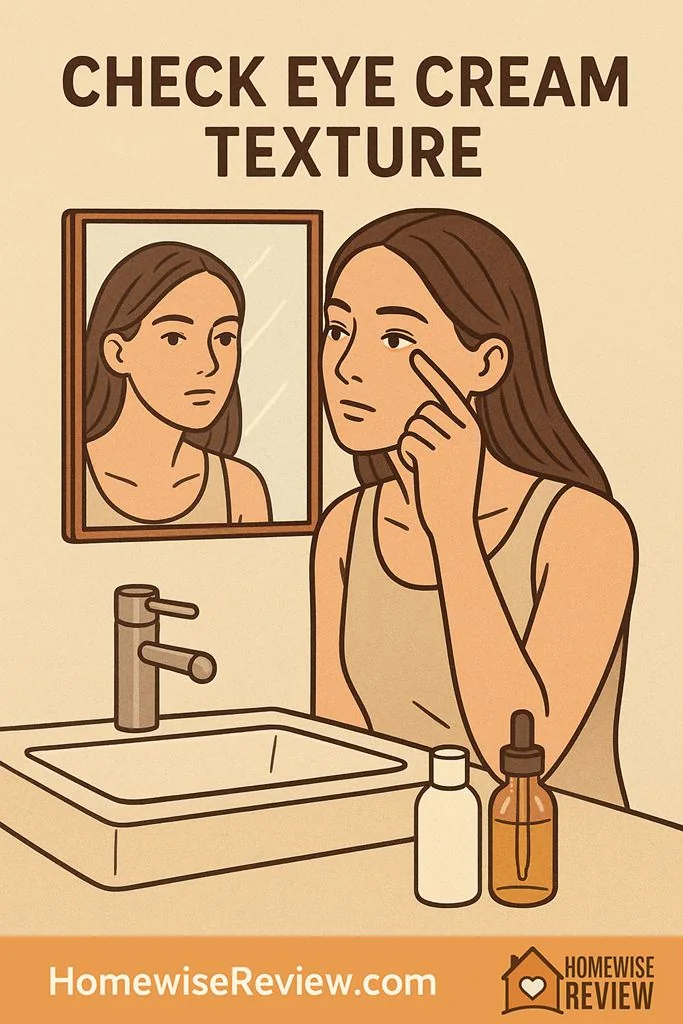
Tiny bumps around the eyes are not always true milia, but heavy eye creams are one of the first things congestion-prone shoppers should check. If this area clogs easily on you, texture often matters more than flashy anti-aging claims.
Few skincare annoyances are as frustrating as buying an eye cream for smoother, softer skin, then noticing tiny white or flesh-colored bumps a week or two later. If that sounds familiar, you are probably not looking for the richest cream on the shelf. You are looking for what might be causing that crowded, bumpy look around the orbital area before you spend more money.
The tricky part is that not every small bump near the eyes is true milia. Some are irritation, some are leftover residue from layered products, and some are simple congestion in a delicate area that does not handle heavy textures well. Still, if you already know your skin tends to get clogged from thick moisturizers, rich eye creams are absolutely worth scrutinizing before you buy.
Why this complaint happens
Milia-like bumps around the eyes usually get blamed on one ingredient, but the pattern is often bigger than that. The eye area is thin, products migrate easily, and a formula that feels comforting at night can sit on the skin longer than expected. Add sunscreen, concealer, facial oil, or a richer night cream nearby, and you can end up with more residue than this area likes.
That is why dense, occlusive eye creams come up so often in this conversation. A buttery texture can be great for someone with flaky, mature, very dry under-eyes. For a person who is already prone to clogged pores or tiny hard bumps, that same cushioned finish can be too much. It is less about one villain ingredient and more about the full wear experience: how thick the cream is, how much film it leaves behind, and how many other products sit on top of it.
There is also a second point shoppers miss. Irritation can mimic congestion. If an eye product is strongly fragranced, heavily tinted, or paired with an active your skin does not tolerate well, you may get roughness or little textural changes that look like milia from a distance. Retinoids can do this for some people near the eyes, especially if the surrounding skin is already dry or reactive. In other words, bumps in this area can have multiple causes, which is why it helps to look at formula weight first, then at the rest of your routine.
If your bumps are persistent, spreading, sore, itchy, or clearly not improving after you simplify your routine, that is a good point to ask a dermatologist rather than assume every texture issue is product congestion. But for shopping purposes, a rich eye cream is still one of the most practical variables to check first.
What to watch for before buying
When readers worry about milia-like bumps, the safest approach is not to swear off eye products entirely. It is to get pickier about texture and positioning.
- Watch for rich texture language. Words like creamy, nourishing, cushiony, buttery, balm, repair, and overnight are not automatic red flags, but they do suggest a heavier finish.
- Check how the product is meant to feel. If a cream is marketed as deeply moisturizing, makeup-gripping, or comforting for very dry skin, it may leave more film than a congestion-prone eye area wants.
- Pay attention to occlusive ingredient families. Waxes, richer oils, butters, petrolatum-style protectants, and dense silicone blends are not bad ingredients. They can simply be more than some people need in this spot.
- Think about routine stacking. An eye cream that seems fine on bare skin may behave differently under sunscreen, color corrector, concealer, and powder.
- Be realistic about how much you use. Even a decent formula can become a problem if you apply too much or spread it too close to the lash line and mobile lid, where it can travel.
A quick shopping rule: if your face does best with gel moisturizers and lighter serums, your eye area probably does not need the richest cream in the aisle just because the packaging says “repair.”
Products to scrutinize before buying
The products below are not proven bad eye creams, and they may work beautifully for drier users. They are simply the kinds of formulas milia-worried shoppers should check more carefully because their textures or routine fit can be a mismatch for congestion-prone skin.
| Product | Why to check carefully | What to verify before buying |
|---|---|---|
| Kiehl’s Creamy Eye Treatment with Avocado | Often described as very rich, cushiony, and lingering on the skin. That plush feel can be comforting for dryness, but it is exactly the sort of texture milia-prone shoppers may want to question. | Make sure your eye area actually likes heavy, buttery textures and that you can use a very small amount without it migrating. |
| CeraVe Eye Repair Cream | The barrier-support angle is appealing, but it is still a cream, not a water-light serum. For some people, ceramide-rich moisturization around the eyes can feel heavier than expected. | Check whether richer barrier creams tend to sit on your skin, and whether you already get enough moisture from your regular face moisturizer near the orbital bone. |
| Olay Eyes Ultimate Eye Cream | This one combines treatment claims with a smoothing, cosmetic feel. If you already layer sunscreen and concealer, that extra priming-style finish can create more buildup than you want. | Verify whether you want tint and blur effects in the same step, or whether a simpler, lighter eye product would reduce residue in your routine. |
| RoC Retinol Correxion Line Smoothing Eye Cream | Retinol gets attention here, but the bigger fit question is that retinoid eye creams can create both dryness and textural irritation in sensitive users, which can be mistaken for product clogging. | Confirm that your eye area tolerates retinol well and that any bumps you worry about are not actually irritation from actives plus a richer cream base. |
The common thread is not that these formulas are “wrong.” It is that they ask a congestion-prone user to tolerate either more richness, more layering, or more potential confusion between dryness and bumps than a very simple lightweight product would.
Better-fit alternative
The Ordinary Caffeine Solution 5% + EGCG is the more sensible place to start if your main goal is avoiding the heavy cream feel that can make milia-prone shoppers nervous. It is a lightweight serum, not an eye cream, so it sidesteps the thick, cocooning texture that often worries people with bump-prone under-eyes. If you like your eye-area products to sink in quickly and disappear under sunscreen or makeup, that minimalist texture is the main advantage.
It also makes sense for a very specific shopper: someone who wants a little de-puffing help or a simple morning layer, but does not want a rich emollient sitting around the eyes all day. That does not mean it is a universal fix. It is not a treatment for true milia, and it is not the right pick if your under-eyes are chronically dry, tight, flaky, or irritated. Those users may find it too lean on its own.
There is also a tradeoff, and it is worth being honest about it. By avoiding the heavy cream texture, you also give up some immediate comfort, cushioning, and makeup-smoothing benefits that richer eye creams can offer. Very sensitive skin can still dislike caffeinated serums, and anyone using strong actives nearby should patch test carefully. But if your priority is avoiding that coated feeling that can come with thicker formulas, this is the cleaner bet.
Final buyer guidance
If tiny white bumps tend to show up whenever your skincare gets richer, choose by texture first and actives second, and start with The Ordinary Caffeine Solution 5% + EGCG only if you are comfortable trading plush moisture for a lighter, lower-residue feel.
See also
If you want to keep the eye area lighter or simplify the rest of your routine, these guides can help narrow the field.
- Best water-based eye cream options
- Best Ulta eye cream picks
- Best eye cream guide
- See our guide to fragrance-free night creams
- Best serum for sensitive skin
As an Amazon Associate, we earn from qualifying purchases made through links on our site.