
Hyaluronic Acid Recommendations: How to Read the Evidence
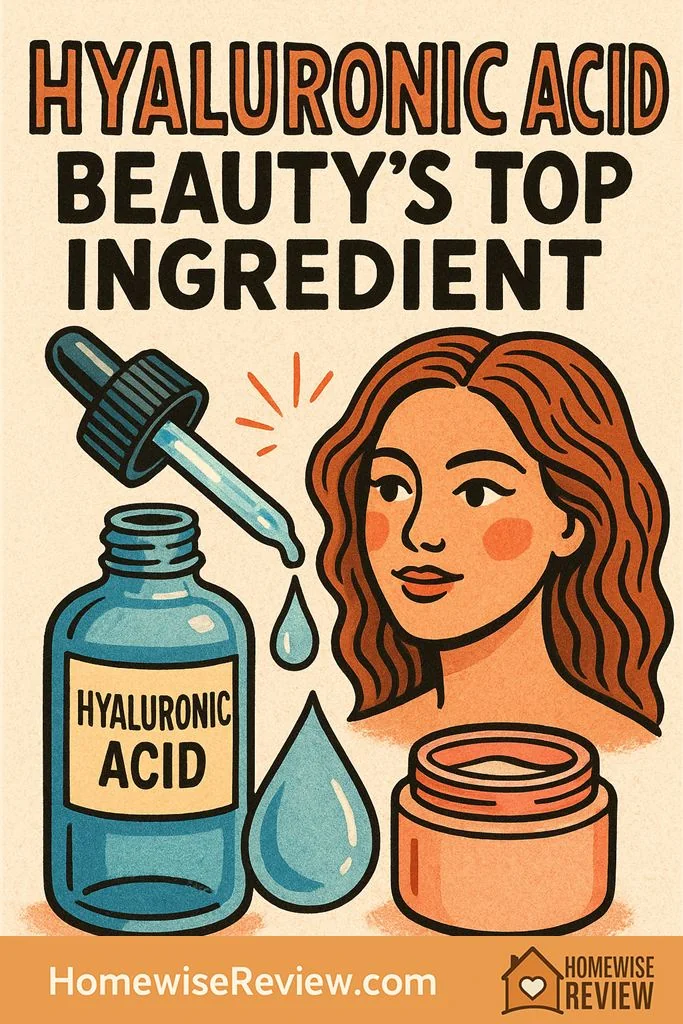
Repeated hyaluronic-acid recommendations do not prove a better product. Compare the exact formula, evidence and place in your routine before adding another serum.
Repeated hyaluronic-acid recommendations do not prove a better product. Compare the exact formula, evidence and place in your routine before adding another serum.

AI-driven “personalized skincare” is moving from novelty to default, powered by selfies, questionnaires, and product databases. Here’s what the data suggests, what the models can truly do, and where the risks hide.

Climate is not background noise for skin. UV, humidity, heat, and air pollution each leave a distinct, visible signature, and the “right routine” can change dramatically when those variables shift.

Organic skincare can be wonderful, but the label is often misunderstood. Here are the five biggest myths, what the rules actually say, and what the data suggests.
Skincare trend cycles used to be dominated by exfoliating acids and flashy botanicals. The surprise in the latest ingredient surge is how many of the fastest rising names are gentle, barrier-focused, and delivered in everyday formats like mists and milky serums.
Compare dimethicone, cyclic siloxanes, texture, and pilling tradeoffs to decide whether a silicone-free skincare base fits your routine.

Compare waterless beauty formats by packaging, uses, refill design, recycling, and performance instead of relying on broad eco-friendly claims.
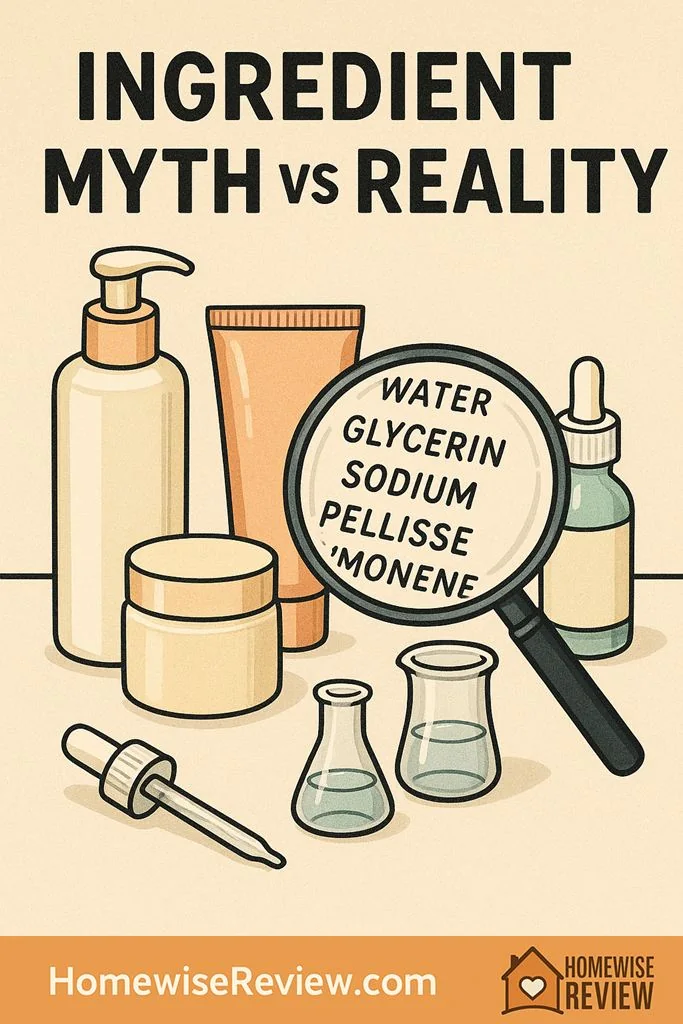
Check common claims about parabens, fragrance, aluminum, phthalates, talc, preservatives, and sunscreen filters against current evidence.
A practical evidence review of red and blue LED therapy for wrinkles and acne, including what FDA clearance means, why device specifications matter, and who should seek dermatology advice first.