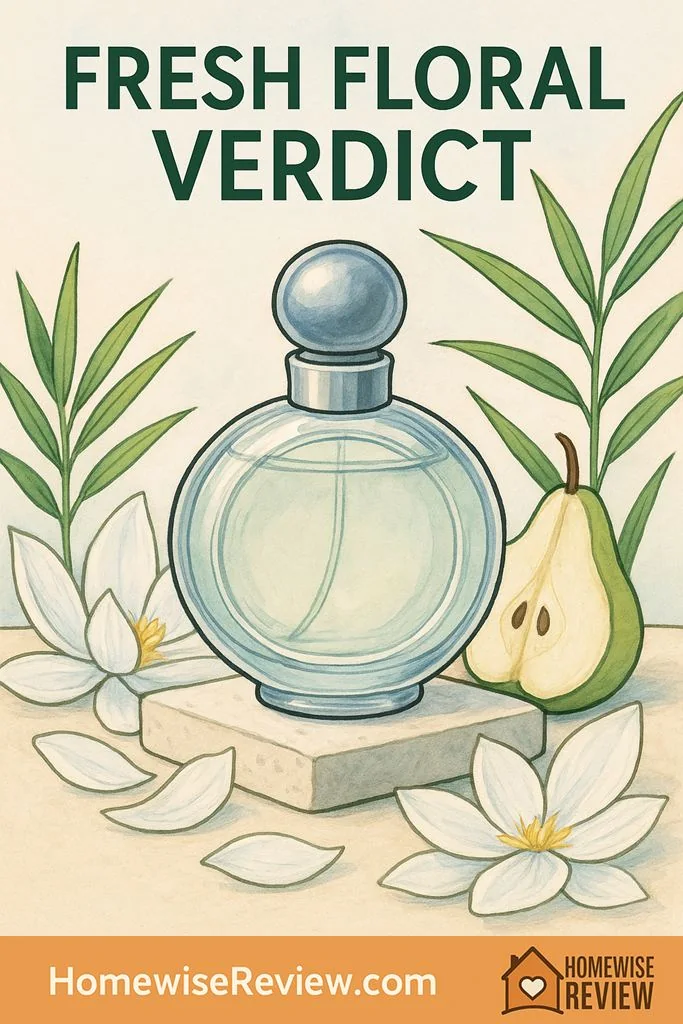
Myth Busting: Do Expensive Perfumes Really Last Longer?

Price and longevity are not the same thing in fragrance. Concentration, note structure, skin, and storage explain far more than the number on the price tag.
Tutorials and buyer’s tips for makeup, skincare, hair tools, and fragrance. Clear steps plus what to know before buying.

Price and longevity are not the same thing in fragrance. Concentration, note structure, skin, and storage explain far more than the number on the price tag.

From cold-water pore lore to SPF confusion, these ten makeup myths lose a lot of credibility once dermatologists, cosmetic chemists, and label rules enter the conversation.

The 80% headline is a shorthand for a bigger beauty shift: ingredient scrutiny, sensitive-skin concerns, and the move toward lighter, skin-first coverage made mineral makeup feel suddenly mainstream.

Top perfumes are not born from inspiration alone. They are built through market briefs, formula architecture, safety rules, cost limits, and repeated testing that most shoppers never see.

The exact 80% figure is slippery, but the larger shift is not. Search data, market forecasts, and ingredient transparency help explain why natural perfume suddenly feels mainstream.

From sunscreen math to ingredient-order rules, these 10 insider beauty secrets hold up far better than hype and explain why some routines quietly work.

From scalp serums to prevention-first styling, the strongest haircare trends point toward healthier roots, smarter damage control, and a sharper split between hero splurges and affordable staples.

Search data and cosmetic science show how the last decade turned haircare into a scalp-first, treatment-heavy, highly personalized category.

Hair oils can reduce friction, boost shine, and in some cases help limit damage, but the evidence does not support every viral claim. Here are the biggest myths, separated from what studies and experts actually say.