Is Your Makeup Aging You? What 90% of Dermatologists Wish You Knew
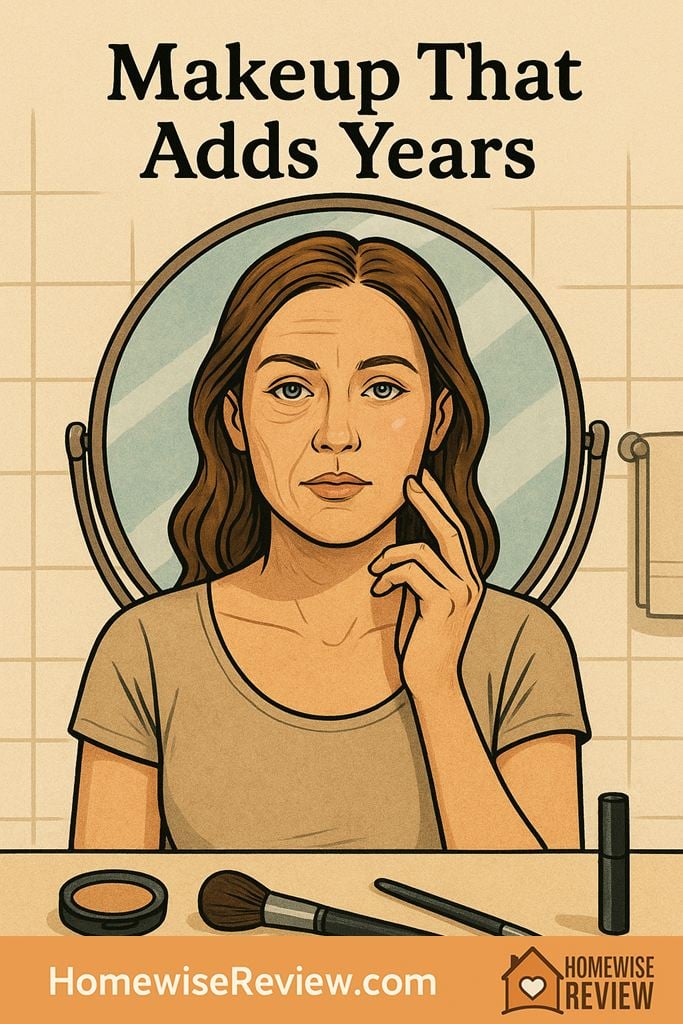
The research is surprisingly blunt: too much base, too little contrast, and skipped sunscreen can make makeup look older faster than any trend does.

Gather • Grow • Give
Gather • Grow • Give
Tutorials and buyer’s tips for makeup, skincare, hair tools, and fragrance. Clear steps plus what to know before buying.
The research is surprisingly blunt: too much base, too little contrast, and skipped sunscreen can make makeup look older faster than any trend does.
The 90% claim is internet shorthand, but data on friction, cuticle wear, and overnight hair damage explains why silk pillowcases keep showing up everywhere.
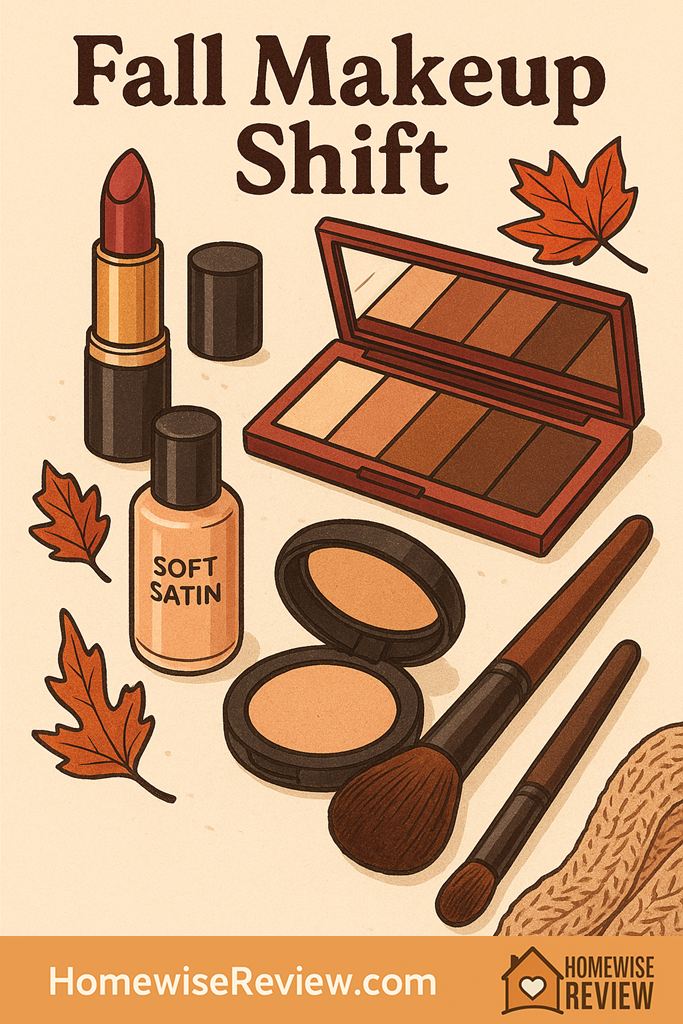
Our reader data shows fall makeup is shifting toward smoother skin, deeper tones, and longer wear, with base products leading the biggest seasonal change.
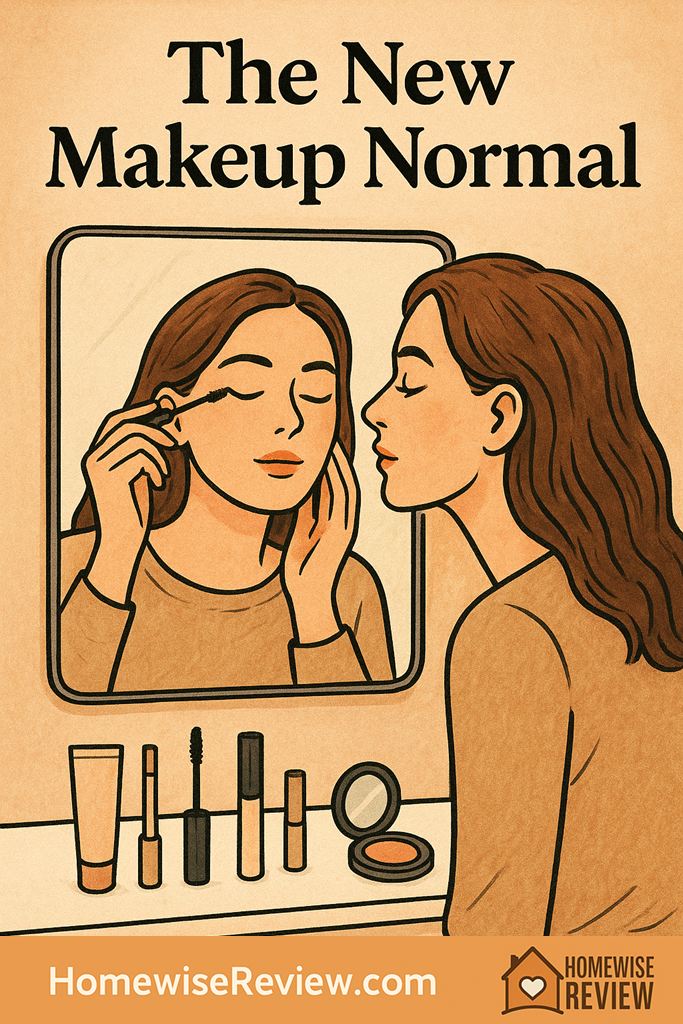
Only 8% of women said their makeup routine had fully returned to normal, and that single number explains why post-pandemic beauty still looks different.
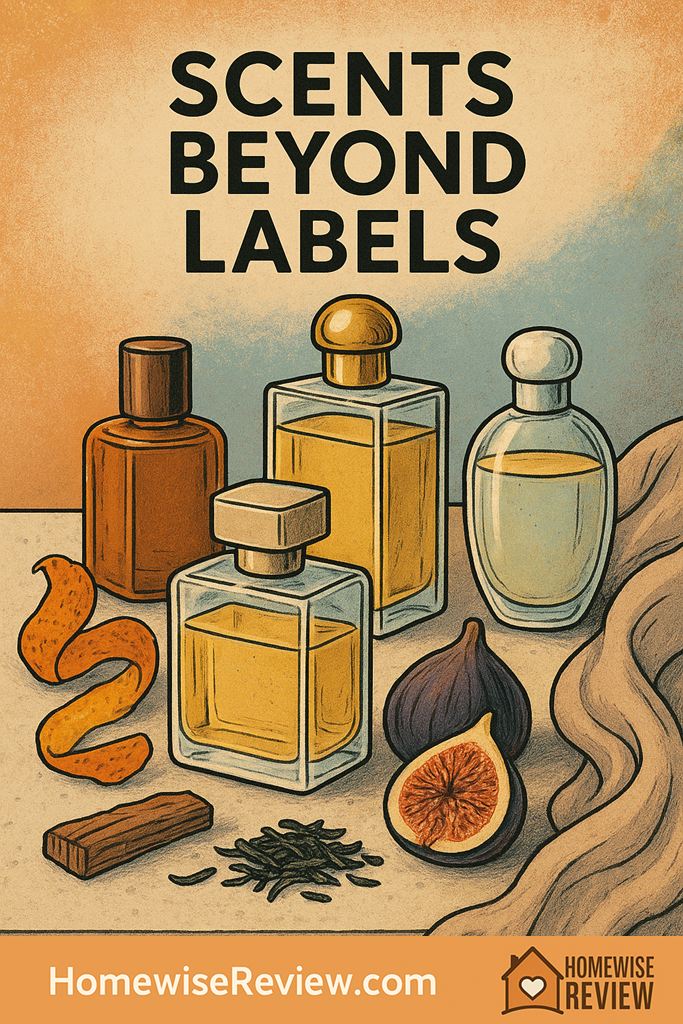
A data-backed look at how search behavior, retail taxonomy, and changing scent preferences pushed gender-neutral fragrance from niche idea to mainstream category.
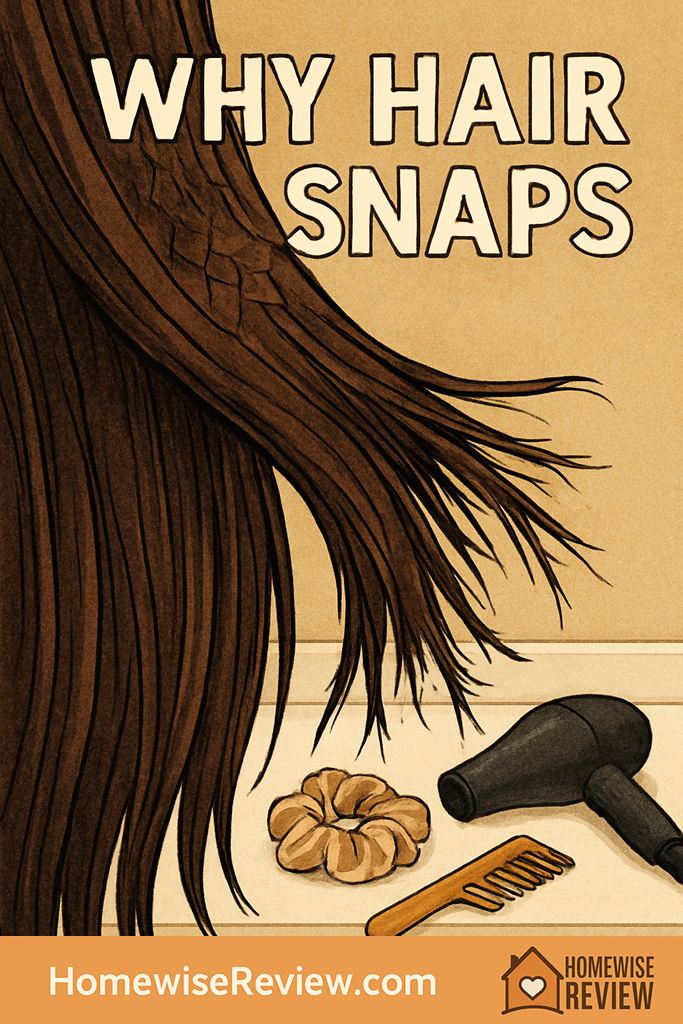
Hair breakage is usually not one bad habit but a stack of small stresses. This data-driven report breaks down the biggest causes, the most surprising findings, and the treatments that actually make a measurable difference.
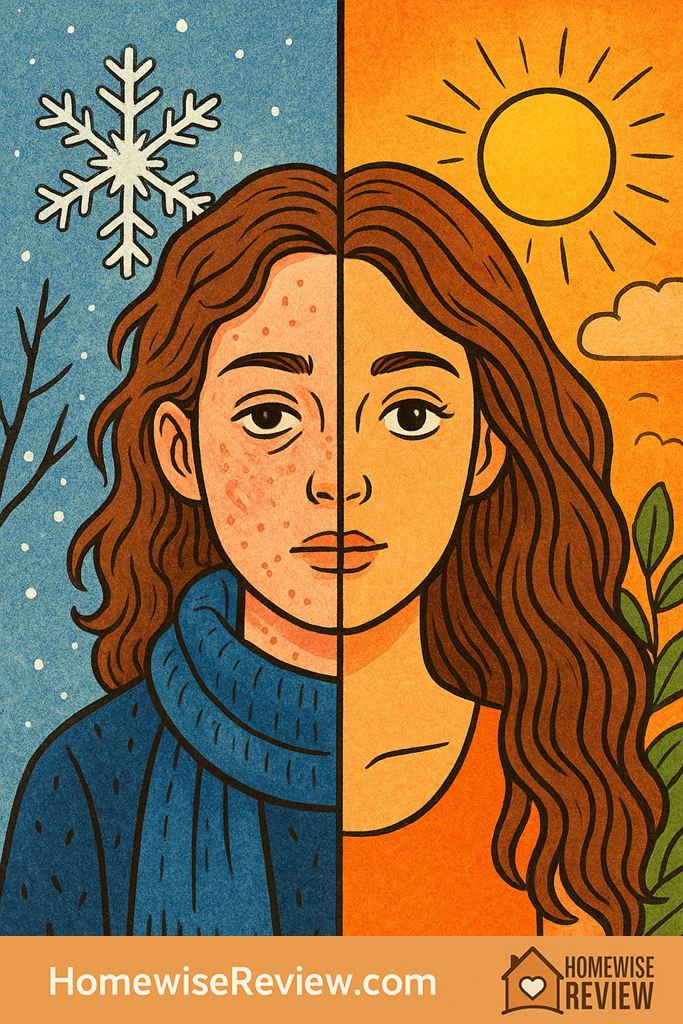
Cold air, indoor heat, humidity, and rising UV levels do more than cause dry patches and frizz. Here is the science behind the seasonal shifts.
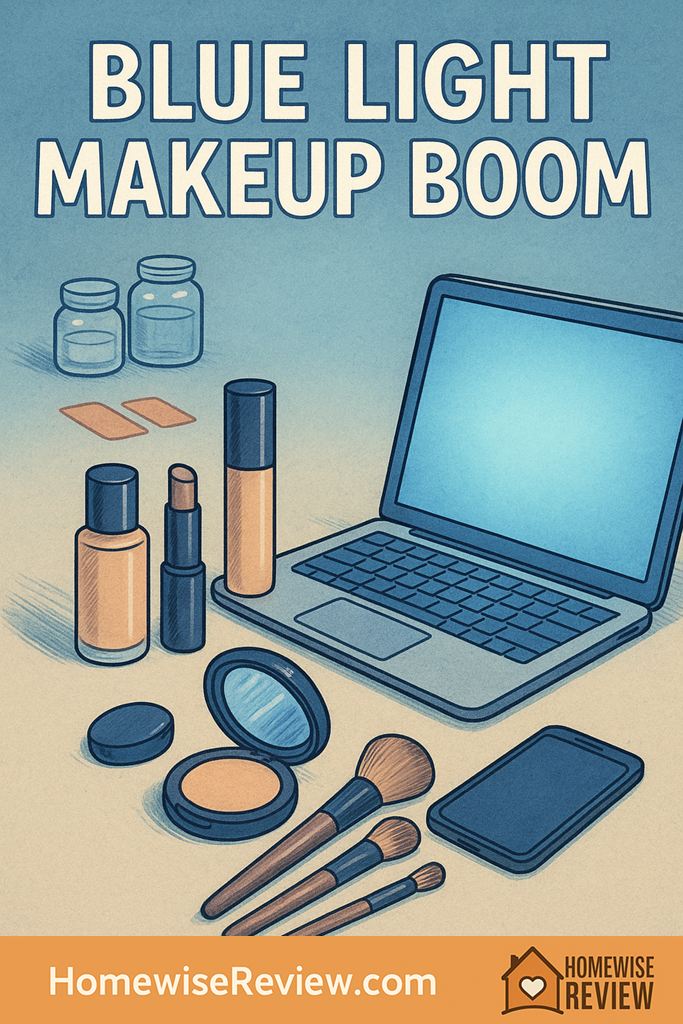
Blue light defense makeup took off for a reason: rising screen time, visible-light research, and iron-oxide formulas made the claim stick.
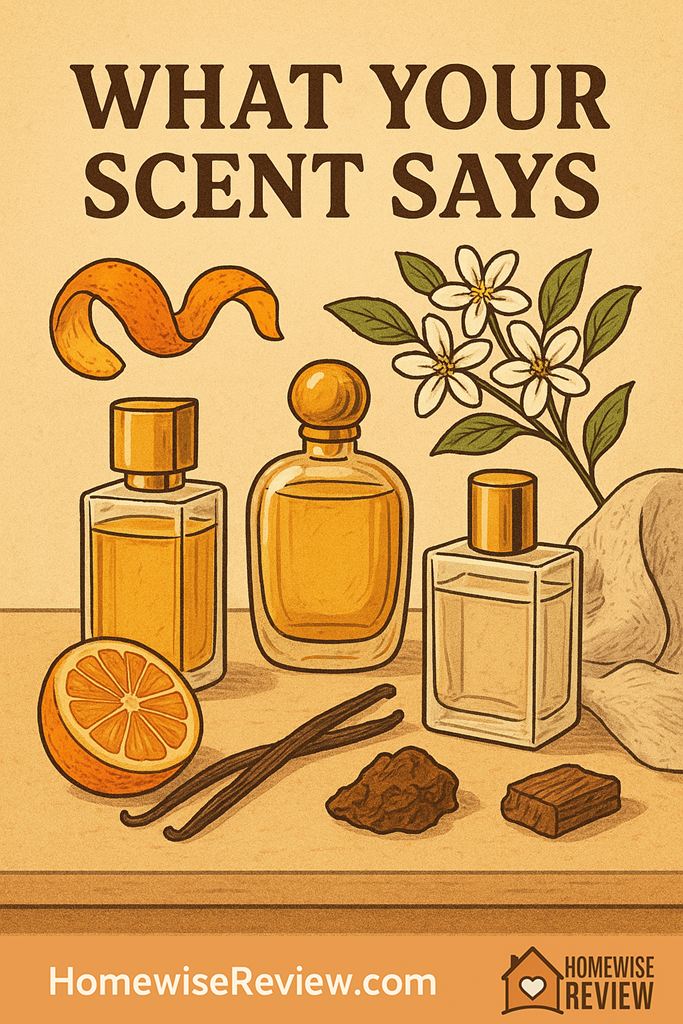
Research on smell, memory, and variety-seeking suggests fragrance taste reveals how people regulate mood, signal identity, and handle change.