

Stable, grippy surface for sweaty circuits while still cushioning floor work and fast transitions.
We may earn a small referral fee
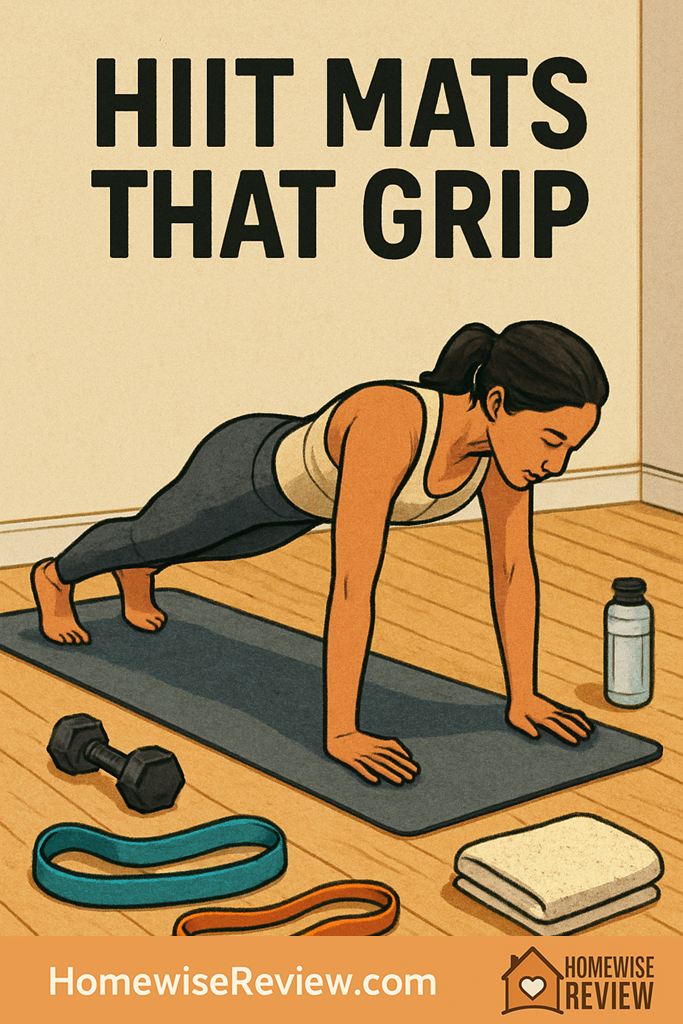
A yoga mat that slides, bunches, or feels too soft can wreck a HIIT session fast. The right pick stays grippy under sweat, cushions floor work, and still feels stable for planks, lunges, and quick transitions.
In-depth Reviews
Lululemon The Mat 5mm
- Excellent balance of grip and stability
- Comfortable for floor work
- Stays planted on hard floors
- Shows sweat and scuffs
- Price is not budget-friendly
Manduka GRP Adapt Yoga Mat 5mm
- Excellent traction in sweaty sessions
- Very stable under hands and feet
- Lays flat quickly
- Needs more careful cleaning
- Can hold odor if stored damp
Gaiam Dry-Grip Yoga Mat
- Strong value for the price
- Good grip for bodyweight circuits
- Easy to store and move
- Wears faster than premium mats
- Not ideal for frequent shoe use
JadeYoga Fusion Mat
- Excellent shock absorption
- Very secure floor grip
- Great for sore joints
- Heavy and bulky
- Less crisp for quick lateral moves
Liforme Original Yoga Mat
- Excellent grip
- Helpful alignment markers
- Roomier workout surface
- Expensive
- Surface can mark up easily
Buying Guide
What We Wish We Knew Before Doing HIIT on a Yoga Mat
For HIIT, thickness alone does not tell you much. A thinner, denser mat often feels more secure than a thicker mat with too much give. If your planks wobble, your front foot sinks in lunges, or mountain climbers feel slow, the problem is usually softness, not lack of padding.
Shoe use matters more than many people expect. A lot of yoga mats perform beautifully for bare feet but wear down quickly once sneaker tread gets involved. If your workouts include shoes, keep a pair just for indoor training and avoid dragging or pivoting hard on the mat, especially on softer top layers.
Cleaning habits also affect grip. Sweat, body lotion, and dusty floors can make a good mat feel worse than it really is. Let the mat dry before rolling it up, wipe it with a cleaner meant for mat surfaces or a mild soap solution, and store it where air can circulate. Those small habits go a long way toward keeping traction consistent.
Worth Knowing Before You Buy
Softness is the real problem with a HIIT mat, not thickness. A mat that feels cushy at first can make planks unstable, let your front foot sink in lunges, and drag during fast mountain climbers. If you wear shoes, expect another tradeoff: mats that grip well barefoot often wear down faster under sneaker tread and hard pivots.
💡 Editor’s Final Thoughts
The Lululemon The Mat 5mm is the best yoga mat for HIIT workouts for most people because it balances grip, stability, and comfort better than the rest. If sweat is your biggest issue, the Manduka GRP Adapt is the smarter splurge, while the Gaiam Dry-Grip is the value pick that still performs well at home.
See also
If space is tight, our guide to home gym equipment for small spaces can help you build a smarter setup around your mat.
- Theragun Prime review for post-workout recovery
- Trailviber walking pad review for easy recovery cardio
- Peloton bike comparison for indoor cycling cross-training
Frequently Asked Questions ▾
Is a yoga mat actually good for HIIT workouts?
Yes, if your workouts are mostly bodyweight circuits, core work, mobility, and moderate-impact intervals. A good HIIT-friendly yoga mat gives you traction for planks and burpees, enough cushion for knees and wrists, and a base that does not skate across hardwood or tile. Where yoga mats can struggle is heavy sneaker use, very aggressive lateral drills, or repeated high-impact jumping. If your sessions look more like athletic conditioning than mat work, a dedicated fitness mat may last longer.
What thickness works best for HIIT?
For most people, a dense mat in the mid-range thickness category feels best. That usually gives you enough comfort for floor work without making lunges, push-ups, and mountain climbers feel unstable. If your joints are sensitive or you spend a lot of time kneeling, a thicker mat can be worth it, but only if the foam or rubber is firm enough not to feel squishy. In HIIT, dense cushioning matters more than plush cushioning.
What material grips best when you sweat?
Moisture-reactive tops, especially polyurethane-style surfaces over a rubber base, tend to perform best once sweat builds. They usually feel more secure during fast transitions than slicker closed-cell surfaces. The trade-off is maintenance. Grippy, absorbent tops often need more careful drying and gentler cleaning so they do not hold odor or break down early. If easy wipe-downs matter more than peak sweat grip, a less absorbent surface may be a better everyday choice.
Can you wear shoes on a yoga mat for HIIT?
You can, but you need to be realistic about wear. Many yoga mats are designed for bare feet or socks, not the constant tread friction of training shoes. Clean indoor sneakers are much gentler than outdoor shoes, especially if the outsole is not overly aggressive. If you know your workouts always include shoes, look for a tougher mat with a durable top layer and a strong rubber base. Softer or more delicate surfaces can scuff, peel, or show tread marks pretty quickly.
How do I keep my mat from sliding or curling at the edges?
Start with a mat that has enough weight and a rubber-backed base, since lightweight mats are more likely to drift during fast movement. Wipe the floor under the mat now and then because dust can make even a good mat slide. If the corners curl, try reverse-rolling the mat for a few hours or leaving it flat overnight. For open-cell mats, always let the surface dry before storing it. Rolling up a damp mat is one of the fastest ways to create odor, curling, and premature wear.
As an Amazon Associate, we earn from qualifying purchases made through links on our site.