

Solid, predictable platform with easy angle changes so beginners can press and row confidently without wobble.
We may earn a small referral fee
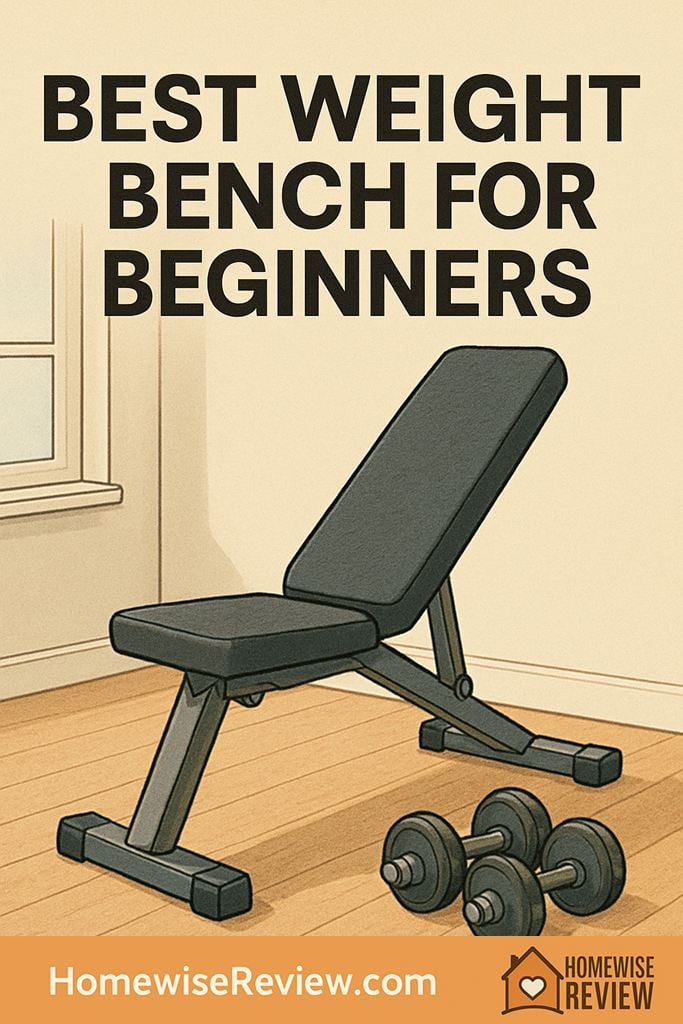
My “home gym” started as two adjustable dumbbells and a yoga mat, and I kept telling myself I did not need a bench. The minute I tried pressing from the floor, every rep felt awkward, and I realized the issue was not my strength, it was the setup. A beginner bench that feels rock-solid and adjusts without drama makes training feel safer and way more worth the space it takes up.
In-depth Reviews
REP Fitness AB-3100 Adjustable Weight Bench
- Very steady feel under pressing and rows
- Quick, confident adjustments with minimal fuss
- Comfortable pad support for full-body sessions
- Not the smallest footprint for very tight rooms
- Typically costs more than entry-level benches
Bowflex 5.1S Stowable Bench
- Stows away quickly for shared rooms
- Simple adjustment that does not feel fussy
- Good overall stability for beginner routines
- Bigger lifters may want a longer, firmer pad
- Not as tank-like as premium gym benches
FLYBIRD Adjustable Weight Bench
- Affordable way to start training at home
- Lightweight and easy to move between workouts
- Adjusts fast for basic incline and flat work
- Less stable feel as loads get heavier
- Padding can feel softer during longer sessions
Fitness Reality 2000 Super Max XL High Capacity Weight Bench
- Sturdier feel than most entry-level benches
- Reliable for full-body dumbbell training basics
- Good value for a more substantial frame
- Bulkier to move and store
- Adjustment can be slower than higher-end benches
Ironmaster Super Bench Pro V2
- Very stable, confidence-building platform
- Grows with you as training intensity increases
- Strong fit and finish where it matters in use
- Higher upfront cost
- Add-ons can increase total spend
Buying Guide
What I Wish More Beginners Knew About Benches
Set your bench up like a tool, not a piece of furniture. Before your first workout, tighten every bolt once more after assembly, then re-check after a week of use. A lot of “this bench is wobbly” complaints come down to bolts settling, uneven floors, or feet not fully contacting the mat.
Pick your first angles on purpose. For most beginners, flat and a modest incline are plenty. Super steep inclines can turn chest work into mostly shoulders, and that is where form breaks down fastest. Keep the angle comfortable, focus on control, and let strength build steadily.
Make it quiet and floor-friendly. A rubber mat under the bench helps with grip, noise, and floor protection. If your bench slides, wipe dust from the bench feet and the mat, then add a thin grippy layer just under the feet. Small fixes make your workouts feel calmer and safer.
💡 Editor’s Final Thoughts
Final Verdict: The REP Fitness AB-3100 is my top pick for beginners because it feels steady, adjusts cleanly, and stays comfortable through the basics and beyond. If you need something that stores fast in a tight space, the Bowflex 5.1S is the easiest “set it away and move on” option.
See also
If you are building a compact setup, start with our best home gym equipment for small spaces guide so your bench, weights, and storage actually work together.
- TRAILVIBER walking pad treadmill review for easy, low-noise daily cardio
- Peloton indoor exercise bikes review for structured beginner-friendly rides
- Theragun Prime massage gun review for post-workout recovery
Frequently Asked Questions ▾
Do beginners really need an adjustable bench, or is flat enough?
A flat bench is absolutely enough to start, especially for presses, rows, step-ups, and supported core work. An adjustable bench becomes more valuable once you want incline pressing, chest-supported rows, and more shoulder-friendly angles. If your budget allows, adjustable is the better long-term buy because it keeps your routine from feeling limited.
How much weight capacity should a beginner bench have?
Look for a bench with a manufacturer-rated capacity that comfortably exceeds your body weight plus the heaviest load you realistically plan to use in the next year. A higher rating usually comes with a sturdier frame and less flex, which is what you feel most during pressing and single-arm work. Also pay attention to stability and pad support, not just the number.
What makes a bench feel “stable” in real life?
Three things: a wide, planted base that does not rock; a tight adjustment mechanism that does not rattle under load; and a firm pad that does not compress unevenly. On adjustable benches, stability also depends on how the back pad locks in and whether the bench shifts when you drive your feet into the floor.
How can I protect my floors and keep a bench from sliding?
Use a quality rubber mat or interlocking tiles thick enough to prevent denting, and make sure the bench feet sit flat. If the bench still creeps, clean the floor and the bench feet, then add a thin rubber gripper pad under the contact points. Keeping bolts snug also helps a surprising amount with squeaks and micro-movement.
As an Amazon Associate, we earn from qualifying purchases made through links on our site.