

Cleans lightly soiled lace, bras and swimwear without rinsing, minimizing agitation and preserving elastic and fine fibers.
We may earn a small referral fee
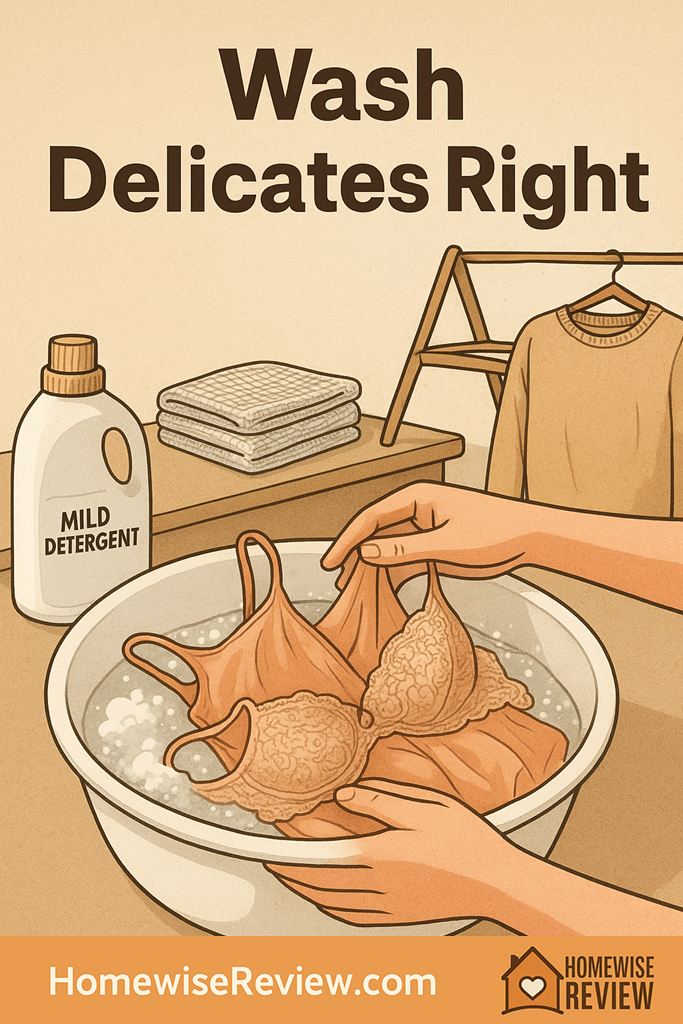
Delicates wear out fast when they get too much heat, spin, or detergent. The right gentle routine keeps lace, silk, bras, and sweaters clean without stretching, snagging, or losing shape.
In-depth Reviews
Soak Wash Rinse-Free Delicate Laundry Wash
- Cuts out extra rinsing
- Gentle on lace and elastic
- Great for sink washing and travel
- Less effective on heavy soil
- Scented versions are noticeable
Eucalan Fine Fabric Wash
- Excellent on wool and cashmere
- Helps knits stay soft
- Very low-effort hand-wash routine
- Lanolin feel is not for everyone
- Scents can linger lightly
Woolite Delicates Liquid Laundry Detergent
- Easy to find and affordable
- Good for routine machine-wash loads
- Rinses fairly clean when used lightly
- Not ideal for precious fabrics
- Fragrance may bother some users
BAGAIL 5-Pack Mesh Laundry Bags
- Cuts down on snags and tangling
- Protects hooks, straps, and trim
- Useful mix of bag sizes
- Still needs a gentle cycle
- Items usually still need air-drying
OXO Good Grips Folding Sweater Drying Rack
- Helps garments keep shape
- Improves airflow during drying
- Folds away when not in use
- Needs counter or floor space
- Not as quick as hanging
Buying Guide
Quick Care Guide: Small Habits That Save Delicates
The gentlest wash is usually the one with the least movement. If an item is only lightly worn, a short cool-water soak and a few careful presses are often enough. Save full agitation for truly dirty pieces, and use a smaller dose of detergent than you would for towels or everyday cotton.
After washing, never twist delicates to get water out. Press them against the sink, roll them in a clean towel, and reshape before drying. Sweaters should dry flat, bras should dry without weight pulling on the straps, and silk should be kept away from direct heat so it stays smooth instead of papery.
One last trick that makes a real difference is sorting by fabric weight, not just color. A delicate nylon slip can still get roughed up by a heavier sweater or zipper, even when both pieces seem gentle enough for the same load.
What Most Reviews Miss
Fabric weight matters more than color. A nylon slip or bra gets abraded in the same load as a heavier sweater or anything with zippers, even on gentle, because the damage comes from rubbing around in the drum. For lightly worn delicates, a short cool soak with as little handling as possible is usually safer than running a full wash.
💡 Editor’s Final Thoughts
For most readers, Soak Wash Rinse-Free Delicate Laundry Wash is the smartest first buy because it cleans gently and reduces the extra handling that wears out fragile fabrics. Pair it with a mesh laundry bag for machine-safe pieces and a flat drying rack for sweaters, and you have a simple routine that covers almost every delicate in the house.
What actually works best for delicates?
The best way to wash delicates is to match the fabric to the least aggressive method that will still get it clean. Silk, lace, lingerie, and anything with thin elastic usually do best with a cool-water hand wash and a gentle cleanser. Machine-washable delicates can do very well too, but only if you cut down friction with a mesh bag, keep the load light, and use a short gentle cycle.
Drying matters just as much as washing. A careful wash can be undone quickly by wringing fabric, hanging a wet sweater, or tossing a bra in the dryer. Press out water gently, reshape the garment right away, and air-dry flat whenever the fabric can stretch or lose its structure.
When to hand-wash and when to use the machine
If the care label says hand wash, it is usually worth the extra few minutes. That is especially true for silk blouses, lace trims, underwire bras, beaded pieces, and fine knits. Hand-washing gives you control over friction, soak time, and water temperature, which is exactly what fragile fabrics need.
Machine-washing makes sense for sturdier synthetic delicates, simple bralettes, slips, tights, and items labeled machine washable. The safest setup is cold water, low spin, a small dose of gentle detergent, and a mesh bag that keeps straps, hooks, and trim from getting dragged around the drum. Skip crowded loads, because even the right cycle gets rough when delicate pieces are rubbing against heavier laundry.
Common mistakes that shorten the life of delicates
Most damage comes from friction, heat, and poor drying habits, not from the water itself. These are the problems that show up again and again:
- Using too much detergent, which can leave residue and make fine fabrics feel stiff or dull.
- Washing delicates with towels, jeans, or anything with exposed zippers and hooks.
- Choosing a high spin speed that twists straps and stretches knit fibers.
- Using fabric softener on items that rely on stretch or moisture control.
- Hanging heavy wet knits or drying bras by the straps.
If a piece is stained, patience is better than force. Dab the spot, let a little gentle detergent sit for a few minutes, then rinse or soak. Scrubbing usually does more harm than the stain itself.
See also
If your delicate items sit close to sensitive skin, start with our guide to laundry detergents for itchy skin and, for a simple fragrance-free option, read the Seventh Generation Free & Clear review.
- See whether Downy Rinse & Refresh belongs in a gentle laundry routine
- Build a softer laundry routine for allergies and eczema
- Compare a smarter laundry routine for sweaty gym clothes
Frequently Asked Questions ▾
Is hand-washing always the safest method for delicates?
Usually, yes, for silk, lace, embellished items, and anything with fragile elastic. But machine-washable delicates can also do well when you use a mesh bag, cold water, and a short gentle cycle. The care label and the fabric’s tolerance for friction matter more than the word delicate alone.
Can I wash bras in the machine?
Yes, if the label allows it. Fasten the hooks, place each bra in a mesh bag, wash with other lightweight items, and choose low spin. Molded, lace, and underwire bras still last longer when treated gently, and they should never go in a hot dryer.
What water temperature is best for delicates?
Cool or cold water is the safest default. It is gentler on dyes, elastic, and fine fibers, and it lowers the risk of shrinkage or warping. Warm water can help with tougher soil, but it is rarely the best starting point for true delicates.
Should I use fabric softener or scent boosters on delicates?
Usually no. They can coat fibers, reduce absorbency, irritate sensitive skin, and make stretch fabrics feel gummy over time. A gentle detergent used sparingly is normally enough, especially when the goal is keeping the fabric smooth, light, and comfortable.
How should I dry sweaters, lace items, and silk?
Press out water gently, roll the item in a clean towel, and reshape it before drying. Sweaters should dry flat on a rack or towel. Bras and lace pieces should air-dry without weight pulling on the straps, and silk should stay away from direct heat and strong sun.
As an Amazon Associate, we earn from qualifying purchases made through links on our site.