

Pocketable, soft bites that split into pea-sized rewards—quick reinforcement that keeps Labs engaged without extra calories.
We may earn a small referral fee
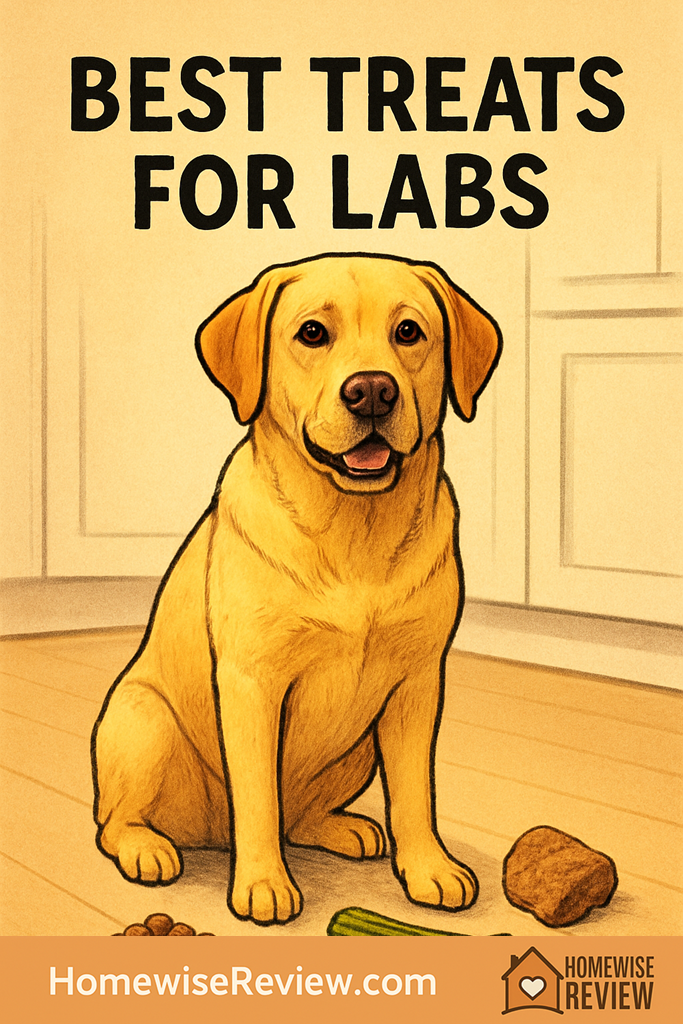
Labs will do anything for a snack, which is great for training and risky for waistlines. These treats deliver high motivation, safer chewing, and fewer stomach surprises so you can reward with confidence.
✨ 2026 Spotlight
2026 Spotlight: For Lab owners looking beyond the core picks, air-dried single-protein rewards and collagen-based chews are getting extra attention this year for their simpler ingredient lists and satisfying chew time. Functional training treats with probiotics or calming add-ins are also showing up more often, giving families a few more ways to match rewards to sensitive stomachs, busy training periods, or everyday wellness goals.
In-depth Reviews
Zuke’s Mini Naturals Training Dog Treats
- Easy to break into tiny, fast rewards
- High motivation for most Labs during training
- Less mess than many crumbly biscuits
- Stronger smell can linger on hands
- Some dogs get bored if you never rotate flavors
Redbarn Bully Sticks (Odor-Reduced options)
- Keeps many Labs occupied longer than typical treats
- More satisfying than quick snacks for downtime
- Generally more digestible than many rawhide-style chews
- Can be calorie-dense if used too often
- Must be supervised, especially with gulpers
Stewart Pro-Treat Freeze-Dried Beef Liver Dog Treats
- Extremely motivating for recalls and tough distractions
- Simple ingredient profile for sensitive dogs
- Breaks easily into smaller training rewards
- Strong odor can be off-putting indoors
- Can be too rich for some dogs if introduced too fast
GREENIES Original Dental Dog Treats (Large)
- Convenient way to support dental hygiene
- Generally palatable even for picky chewers
- Works well as a predictable daily routine
- Not a substitute for brushing or veterinary dental care
- Some Labs try to swallow too quickly if undersized
Nutramax Cosequin Soft Chews for Dogs
- Simple daily routine many dogs accept willingly
- Helpful support for active, aging, or stiff Labs
- More consistent than supplements you have to hide in food
- Benefits are gradual, not immediate
- Not ideal for dogs who need very strict calorie control
Buying Guide
Treat Rules for Labs: The Simple System That Prevents Weight Gain
Rule 1: Use “tiny and frequent,” not “big and rare.” Labs learn fast, but they also gain weight fast. For training, break treats into pea-sized bits and reward more often. Your dog cares about the timing, not the size, and rapid reinforcement keeps behaviors crisp.
Rule 2: Pre-commit to a daily treat budget. Put the day’s treats (and any chews you plan to give) into one container in the morning. When it’s empty, you are done for the day. If you need more rewards for an unexpected training opportunity, pull from your dog’s kibble or slightly reduce dinner, rather than grabbing extra snacks.
Rule 3: Match the treat to the job. Use a basic training treat for easy reps around the house, then reserve “high value” items like freeze-dried liver for tough moments like recall, greeting calmly, or passing dogs on leash. Save dental chews and long chews for times you need a longer-lasting activity, and give them when you can supervise. That keeps treats working for you instead of turning into background calories.
💡 Editor’s Final Thoughts
Final Verdict: For most Labs, Zuke’s Mini Naturals is the top pick because it makes training easy: small, soft pieces, strong interest, and simple portion control. Add a single-ingredient freeze-dried option for high-distraction moments, and use dental and long-chew treats strategically so rewards stay helpful, not habit-forming.
See also
If your Lab tends to get loose stools from rich snacks, start by tightening up the basics with our guide to the best dog food for puppies with sensitive stomachs and keep treats ingredient-simple and portioned.
- Tough toys that hold up to power chewers
- Embark dog DNA test: what you learn and why it matters
- Durable harnesses for strong pullers (no-fuss control)
- Dog crates for home and travel that feel secure
Frequently Asked Questions ▾
How many treats can I give my Lab per day?
A solid rule is to keep treats to about 10% of your dog’s daily calories, with the other 90% coming from a complete, balanced food. For Labs, that usually means you will do better with lots of tiny rewards rather than a few big ones.
The easiest method is a daily “treat budget”: measure the day’s treats into a container in the morning and only pull from that. If you end up using extra treats for training, reduce dinner a bit, or use part of your dog’s kibble as training rewards.
What are the best treats for training a Lab that gets distracted?
Labs often respond best to soft, smelly, easy-to-swallow rewards, especially when you are competing with squirrels, other dogs, or a busy park. Look for treats that you can break into pea-sized bits so you can reinforce quickly without your dog stopping to crunch.
For tough environments, rotate “value” instead of increasing quantity: use a regular training treat for easy reps, then pull out a single-ingredient freeze-dried option for the hardest moments (like a recall past another dog). That keeps motivation high without overfeeding.
What treats are safest for Labs that gulp or choke easily?
Many Labs inhale food, so choose treats that either dissolve quickly (small training treats) or are too large to swallow whole (long chews used with a holder). Avoid giving small, hard pieces that can be gulped, and skip any chew that splinters or breaks into sharp shards.
Supervision matters more than the brand. Give chews when you can watch, pick up small end pieces before they become swallowable, and teach a calm “trade” so you can remove a chew without a tug-of-war.
What are good treats for Labs with sensitive stomachs or allergies?
Start with single-ingredient treats and short ingredient lists. Freeze-dried liver is a common “high value” option because there is usually nothing to react to besides the protein itself, which makes it easier to spot what does and does not agree with your dog.
If your Lab has a history of itching, ear issues, or frequent GI upset, introduce any new treat slowly and change only one variable at a time. If you suspect a true food allergy or your dog is on a prescription diet, check with your vet before adding novel proteins or rich chews.
Do dental treats actually help Labs, or are they just snacks?
Dental chews can help by adding gentle abrasion and increasing saliva flow, especially for dogs that will not tolerate brushing yet. They are not a replacement for brushing, but they can be a practical “something is better than nothing” option for many busy households.
The big watch-outs for Labs are calories and gulping. Choose the correct size, supervise, and treat dental chews as part of the day’s treat budget. If your dog has a history of pancreatitis, frequent vomiting, or cracked teeth, ask your vet about safer dental strategies.
As an Amazon Associate, we earn from qualifying purchases made through links on our site.