

Folds flat for easy storage while still feeling steady for walking, jogging, and real runs in tight living spaces.
We may earn a small referral fee
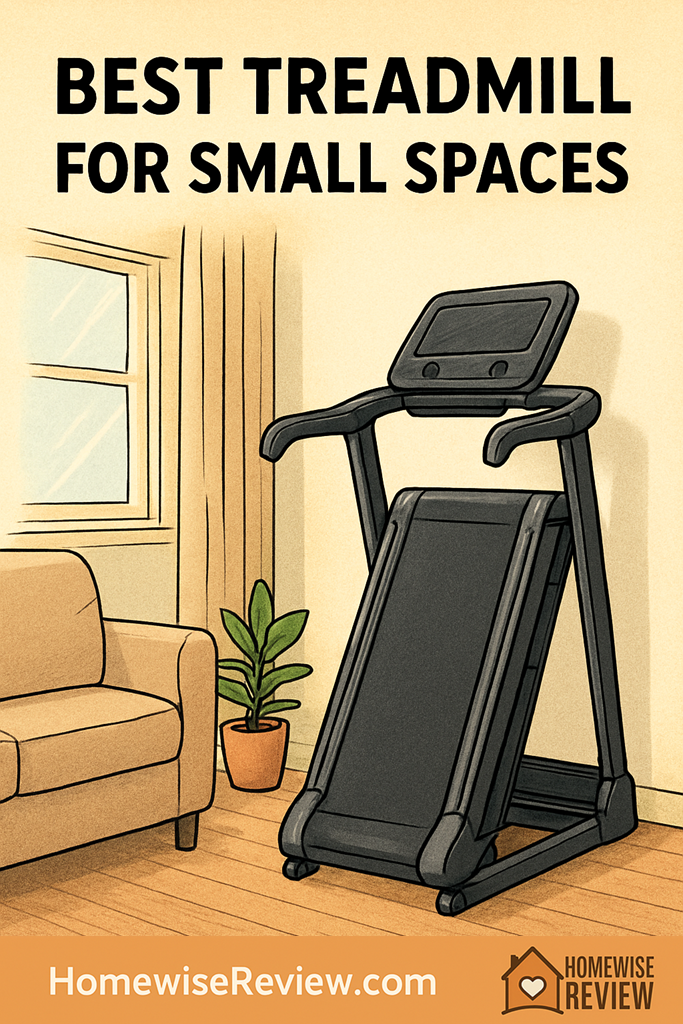
You want a treadmill you will actually use, not a bulky machine that takes over your room. These picks prioritize easy storage without sacrificing the stable feel you need for walking, jogging, or real runs.
✨ 2026 Spotlight
2026 Spotlight: Compact treadmill shoppers are paying closer attention to under-bed profiles, quieter motors, and quick-fold frames that suit apartments, guest rooms, and work-from-home setups. Alongside the picks below, the WalkingPad P1 and Mobvoi Home Treadmill SE are worth a look this year for buyers who want an especially slim walking-first option with simple storage. If your goal includes jogging rather than just desk-side steps, compare folded height, handle stability, and top speed before choosing.
In-depth Reviews
Echelon Stride Folding Treadmill
- Stores quickly, so you actually put it away between workouts
- Stable feel for a compact frame when you move beyond brisk walking
- Good balance of cushioning and firmness for mixed-use training
- Premium price compared with basic fold-up treadmills
- Smaller console experience than full-size machines
Horizon Fitness 7.0 AT Folding Treadmill
- Workout-ready feel for intervals and faster pacing
- More natural stride space than many compact models
- Controls feel quick and consistent during changes
- Takes more effort to move and store than flat-fold designs
- Still a noticeable footprint when left set up
Sole F63 Folding Treadmill
- Steady, planted feel that inspires confidence
- Comfortable deck for frequent walking and jogging
- Good choice for buyers prioritizing long-term reliability
- Heavier and less convenient to roll away frequently
- More “set it and leave it” than “store it daily”
ProForm Carbon TL Treadmill
- Good everyday performance for walking and beginner jogs
- Simple to operate and easy to live with
- Practical fold-up storage for tighter rooms
- Less refined ride feel at harder efforts
- Not as confidence-inspiring for frequent high-intensity training
WalkingPad A1 Pro Foldable Walking Treadmill
- Very easy to store and pull out for quick walks
- Low-profile design fits naturally in small homes
- Encourages consistent daily movement
- Not designed for regular running workouts
- Less supportive feel than full-height treadmills
Buying Guide
What We Wish We Knew Before Buying a Small-Space Treadmill
Measure the “living” space, not just the footprint. A treadmill can technically fit in a corner but still be annoying if the belt ends where you need to open a closet door or if the console blocks a TV stand. Before you buy, map out where you will stand to start the machine, where you will step off, and where the power cord will actually reach without creating a trip hazard.
Make storage part of your routine, or it will become clutter. If you plan to fold it up daily, practice the motion in your head: Do you have to move a coffee table first? Will it bump a wall sconce? Flat-fold models are great because they reduce friction, but even then, you will use it more if storage takes seconds, not minutes.
Do the “noise audit” early. For apartments, the mat matters, but so does placement. A treadmill on an uneven surface can vibrate and sound louder than it should, and a slightly misaligned belt can create a steady rubbing noise that drives you crazy. After the first few sessions, re-check belt tracking, wipe down the deck area, and keep a quick-clean routine so dust and grit do not build up under the belt.
💡 Editor’s Final Thoughts
Final Verdict: If you need a treadmill that truly works in a small home and will not become a permanent obstacle, the Echelon Stride is the top pick thanks to its easy storage and surprisingly confident ride feel. If you run harder and want a more traditional treadmill experience, step up to the Horizon 7.0 AT for a sturdier, workout-ready platform.
See also
If you are building an apartment-friendly setup beyond cardio, start with our best home gym equipment for small spaces guide.
- TrailViber walking pad treadmill review for ultra-compact walking
- Peloton indoor exercise bike comparison for low-footprint cardio alternatives
- Theragun Prime review for post-run recovery at home
Frequently Asked Questions ▾
How much space do I realistically need around a treadmill in a small room?
Plan for the treadmill’s footprint plus a small safety buffer so you can step on and off without clipping a wall or furniture. In tight rooms, the most important clearance is behind the belt, since that is where you would step if you ever misjudge your stride. If you are placing it near a bed or couch, make sure there is a clear path to the side rails and that the console is not blocked by shelves or a TV stand.
Are walking pads a good substitute for a traditional treadmill?
For walking, light incline-free cardio, and under-desk movement, a walking pad can be a great substitute because it is quick to set up and easy to store. The trade-off is feel: shorter decks and lighter frames can make faster pacing feel less planted, and many walking pads are not designed for frequent running. If you know you will want to jog or do intervals, a compact folding treadmill with a more substantial deck will usually feel safer and smoother.
How do I make a treadmill quieter for apartment living?
Start with the basics: place the treadmill on a dense rubber equipment mat, keep the belt properly tensioned, and clean dust and grit that can increase friction noise. If you can, position it over a more solid part of the floor and away from shared walls, since vibration can transmit through framing. Softer running shoes often reduce impact noise, and a steady cadence is usually quieter than constant speed changes that make the motor surge.
Should I choose a fold-up treadmill or a flat-fold model?
A traditional fold-up treadmill stores vertically and tends to feel more like a standard treadmill underfoot, which matters if you run frequently. Flat-fold models shine when you need fast, low-effort storage, especially if you are sliding it under a bed or standing it against a wall. The decision usually comes down to your daily routine: if you will store it after every session, prioritize the easiest fold and best wheels; if it will stay out most of the time, prioritize deck feel and console usability.
What maintenance matters most when your treadmill lives in a tight space?
Small spaces collect lint, pet hair, and dust faster, and treadmills pull that debris toward the motor area. Vacuum around and under the treadmill regularly, wipe the side rails, and keep the belt clean so it does not feel sticky or noisy. Follow the manufacturer’s guidance on lubrication and belt alignment, because a rubbing belt is not only annoying, it can accelerate wear and make the machine feel uneven even at easy paces.
As an Amazon Associate, we earn from qualifying purchases made through links on our site.