

Candy-sweet cherries that produce steadily all season—best when trellised for big, crack-resistant yields.
We may earn a small referral fee
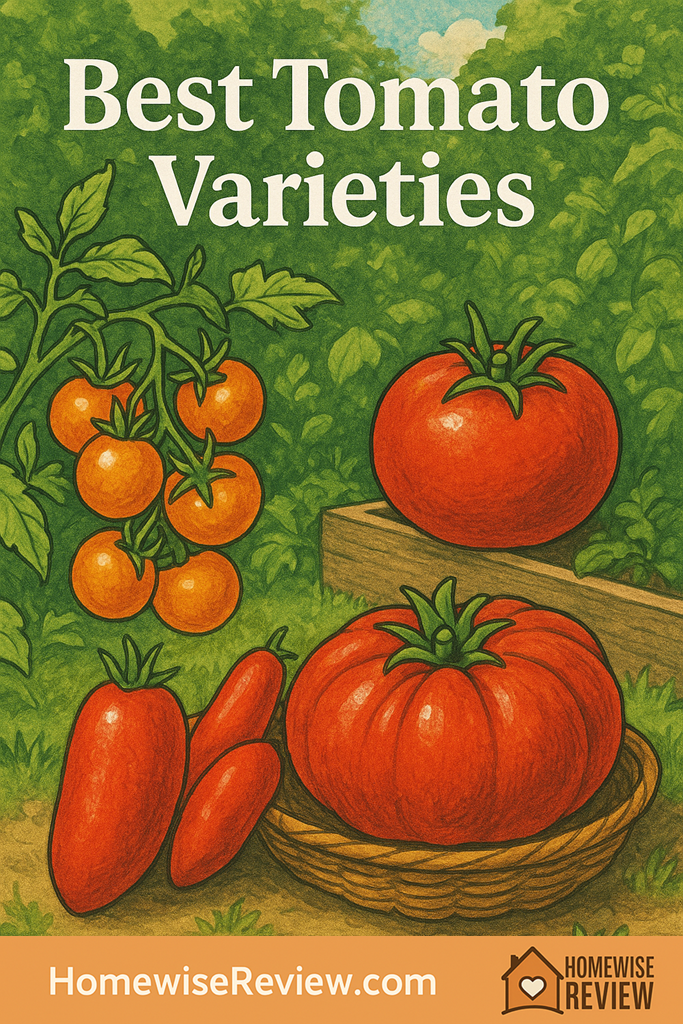
You want tomatoes that taste great, ripen on time, and keep producing without constant drama. These standout varieties cover snacking, slicing, and sauce so you can plant with confidence.
In-depth Reviews
Sungold F1 Cherry Tomato
- Consistently top-tier flavor
- Keeps producing for a long season
- Great texture for snacking and salads
- Needs tall, sturdy support
- Can overwhelm small spaces without pruning
Celebrity Hybrid Tomato
- Very dependable set and ripening
- Handles common garden stress well
- Versatile for fresh eating
- Flavor is good, not ultra-gourmet
- Less fun if you only want unusual heirlooms
San Marzano Tomato (Paste Type)
- Cooks down thick with less fuss
- Great flavor for sauce and roasting
- Efficient use of garden space for preserving
- Not the best choice for juicy sandwich slices
- Quality can vary by seed strain and source
Brandywine (Pink) Heirloom Tomato
- Outstanding heirloom flavor
- Perfect for caprese and sandwiches
- A memorable peak-summer tomato
- Less consistent yields than strong hybrids
- More sensitive to disease and weather swings
Mountain Merit F1 Tomato
- Holds up well in disease-prone gardens
- Keeps plants productive later in the season
- Good all-purpose kitchen tomato
- Less “heirloom wow” flavor than top slicers
- Fruit size can be less dramatic than beefsteaks
Buying Guide
What We Wish Everyone Knew Before Choosing Tomato Varieties
Support is not optional, it is a yield multiplier. Even “bush” tomatoes get heavy fast, and fruit resting on soil is a shortcut to pests and rot. Put cages or stakes in at planting time so you are not wrestling roots later, and plan for easy access to pick and prune.
Watering consistency matters more than watering volume. Big swings from dry to drenched can cause splitting and make flavor less concentrated. Aim for deep, even moisture, then ease up slightly once fruits are coloring so the plant focuses on ripening instead of lush, watery growth.
Match your pruning to your patience. If you love tidying and want better airflow, lightly prune indeterminate varieties and keep lower leaves off the soil line. If you want “set it and mostly forget it,” choose a determinate hybrid and focus on basic support, mulch, and timely harvesting.
💡 Editor’s Final Thoughts
Final verdict: If you want one tomato that almost everyone loves and that keeps producing for months, Sungold F1 is the top pick for its consistently outstanding flavor and heavy harvests. Pair it with a dependable slicer like Celebrity and you will cover most kitchens with very little guesswork.
See also
To get the most from any variety, start with smart feeding using the best garden fertilizers for veggies and tomatoes and keep your setup simple with our guide to essential garden tools.
- Garden gloves that make pruning and tying up tomatoes easier
- Tool organizers to keep stakes, ties, and hand tools under control
- Garden kneelers for more comfortable planting and weeding around tomato beds
Frequently Asked Questions ▾
How many tomato varieties should I grow?
For most backyards, two to three varieties is the sweet spot: one reliable slicer, one cherry for constant snacking, and one paste tomato if you cook a lot. This spreads out risk, extends your harvest window, and gives you tomatoes that actually match how you eat.
What is the easiest tomato type for beginners?
Look for a dependable hybrid with solid disease resistance and steady production. Pair it with a sturdy cage, consistent watering, and full sun, and you will avoid most of the common first-year frustrations.
What is the difference between determinate and indeterminate tomatoes?
Determinate plants tend to grow to a set size and produce a heavier flush of fruit over a shorter period, which is handy for busy gardeners. Indeterminate plants keep growing and fruiting until frost, but they need taller support and more routine tying and pruning.
Why do my tomatoes look great but taste bland?
Bland tomatoes usually come from harvesting too early, overwatering during ripening, or growing in soil that is low in potassium and overall nutrition. Let fruit fully color on the vine when possible, water deeply but less often once fruit is sizing up, and feed consistently rather than in one big dose.
As an Amazon Associate, we earn from qualifying purchases made through links on our site.