

Reliable thermal performance, wide mouth for easy cleaning, and a chug cap that’s simple to use one-handed—made to last for everyday use.
We may earn a small referral fee
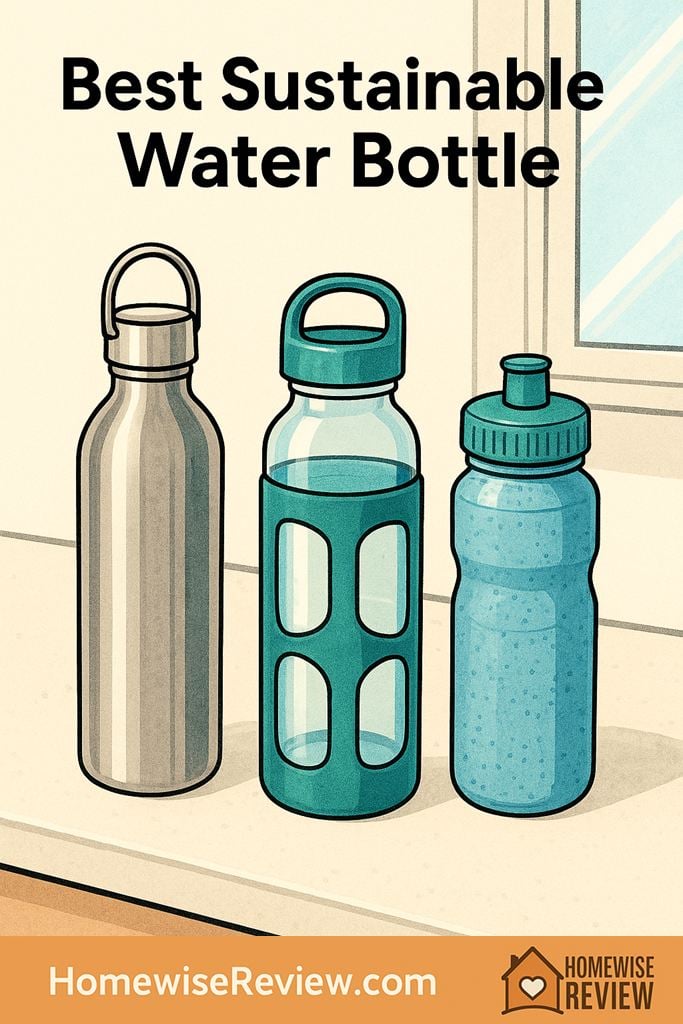
You want one bottle you can rely on for years, not a leaky cabinet of half-used “favorites.” These sustainable picks focus on durable materials, easy cleaning, and lids that work in real life.
In-depth Reviews
Klean Kanteen Insulated TKWide (with Chug Cap)
- Strong temperature retention for long days
- Wide mouth makes scrubbing and drying easier
- Comfortable chug flow without splashy drips
- Heavier than non-insulated bottles
- Takes up more space in smaller bags
YETI Rambler Bottle (with Chug Cap)
- Very secure seal for bags and car seats
- Easy to clean without tiny parts
- Stays cold well during training sessions
- Noticeably heavy compared to competitors
- Exterior can show scuffs over time
Nalgene Sustain Wide Mouth
- Lightweight and easy to carry
- Wide opening is easy to wash thoroughly
- No metal taste, even after long use
- No insulation for temperature control
- Can sweat with cold water
LifeFactory Glass Water Bottle (with Silicone Sleeve)
- Very clean, neutral taste
- Sleeve improves grip and helps prevent slips
- Easy to see when it is truly clean
- Heavier than plastic
- Glass is still breakable with hard drops
Ocean Bottle Insulated Water Bottle
- Good insulation for daily use
- Comfortable to carry and easy to grab
- Sturdy feel without fiddly pieces
- Not the lightest insulated option
- Lid style is not everyone’s preference for fast chugging
Buying Guide
Quick Care Guide: Make One Bottle Last for Years
Clean the lid like it matters, because it does. Most bottles fail the “sustainability test” when the lid starts smelling and people give up. Once a week, take the lid apart as much as the design allows, pull the gasket if it is removable, and scrub threads and crevices with a small brush. Let every piece dry fully before reassembling.
Replace tiny parts instead of replacing the whole bottle. A new gasket, straw, or cap can make a “bad” bottle feel brand new again. If you are choosing between two bottles, pick the one that clearly offers replacement lids and seals. It is a small detail that keeps you from tossing a perfectly good bottle just because one part wore out.
Match the bottle to what you actually drink. If you regularly put anything besides water inside, prioritize wide mouths and simpler caps. Sweet drinks, electrolyte mixes, and protein shakes need more thorough cleaning, and complicated straw lids can turn into a chore. When the bottle is easy to maintain, you will keep using it, which is the whole point.
💡 Editor’s Final Thoughts
Final Verdict: The Klean Kanteen Insulated TKWide is my top pick because it balances durability, easy cleaning, and everyday usability without feeling fussy. If you want the simplest low-waste option at the lowest cost, the Nalgene Sustain is still hard to beat for grab-and-go hydration.
See also
If you are dialing in better-tasting hydration at home, start with the best kitchen water filters for taps, pitchers, and fridges, and pair it with a bottle sterilizer and dryer for a low-effort clean routine.
- body washes that work in hard water (no filmy feel)
- best body lotion picks for daily, no-fuss moisture
- microcurrent facial devices worth the splurge
Frequently Asked Questions ▾
What actually makes a water bottle “sustainable”?
Sustainability is less about a buzzword and more about whether the bottle stays in your life. The most sustainable bottle is the one you will keep using, cleaning, and refilling for years, which means it needs to be durable, easy to maintain, and pleasant to drink from. In practical terms, look for a bottle with a proven material (stainless steel, glass, or reputable BPA-free plastics), a lid you can buy replacement parts for, and a shape that fits your routines (cup holder, gym bag pocket, backpack sleeve).
Also consider “maintenance sustainability.” If a bottle is annoying to clean, it tends to sit in the sink, get funky, and eventually get replaced. Wide mouths, simple lid designs, and removable gaskets usually win the long game.
Is stainless steel more sustainable than plastic?
Often, yes, but it depends on how you use it. Stainless steel bottles tend to last longer, handle drops better, and keep their drinking quality over time, which helps you avoid frequent replacements. If you love cold water, insulated stainless bottles can also keep you from buying single-use cold drinks, especially during workouts or travel.
That said, a lightweight plastic bottle can be the more sustainable choice if it is the one you actually carry every day. If you are consistent with it and it does not crack or warp quickly, the “real” sustainability advantage is that you are refilling instead of buying disposable bottles. Pick a reputable brand, avoid leaving it in hot cars for long stretches, and replace it when it gets scratched up or starts holding odor.
How do I stop my bottle from smelling or tasting weird?
Most bottle funk comes from three places: the lid, the gasket, and whatever you sip besides water. Start with a quick daily rinse and let everything dry completely with the cap off. A couple times a week, do a real wash with warm water and dish soap, scrubbing the threads and the inside of the cap. If the gasket comes out, remove it and wash underneath it because that is where the “mystery smell” usually hides.
For lingering odor, soak the bottle and lid separately in a baking soda solution, then rinse well and air dry. If you drink protein shakes, pre-workout, or anything sweet, wash the bottle the same day. Even the best bottle cannot fight yesterday’s whey lingering in a tight lid.
Are insulated bottles safe and easy to care for?
For day-to-day use, insulated stainless bottles from reputable brands are generally a safe, practical option. The main care issue is not safety, it is cleanliness: insulated bottles are often narrower inside, and many people forget that the lid is the part that needs the most attention. If you choose a straw cap, plan on using a small straw brush regularly, and make sure the straw parts dry fully between uses.
To protect insulation performance, avoid freezing an insulated bottle and avoid harsh abrasives that can damage interior surfaces. If your bottle takes a big dent, it can still be perfectly usable, but it may not sit flat or fit in a cup holder the same way. In that case, keep it as a home bottle and use a less dented one for the gym.
What size water bottle is best for workouts and everyday carry?
The right size is the one you will actually carry, refill, and finish. For gym sessions and errands, a mid-size bottle is usually the sweet spot because it fits most cup holders and does not feel like a kettlebell in your tote. For longer workouts, hot climates, or outdoor days, a larger bottle can keep you from relying on vending machines or convenience store drinks.
Think about your refill access. If you work out somewhere with easy refill stations, a smaller bottle is fine. If you are driving between school pickup, appointments, and training, a larger insulated bottle can be a lifesaver. Also consider lid style: chug caps are faster for workouts, while straw lids are great when you want steady sipping without tipping the bottle.
As an Amazon Associate, we earn from qualifying purchases made through links on our site.