

Delivers repeatable, evenly browned waffles with crisp edges and fluffy centers, releases cleanly, and has a stainless finish that wipes up easily.
We may earn a small referral fee
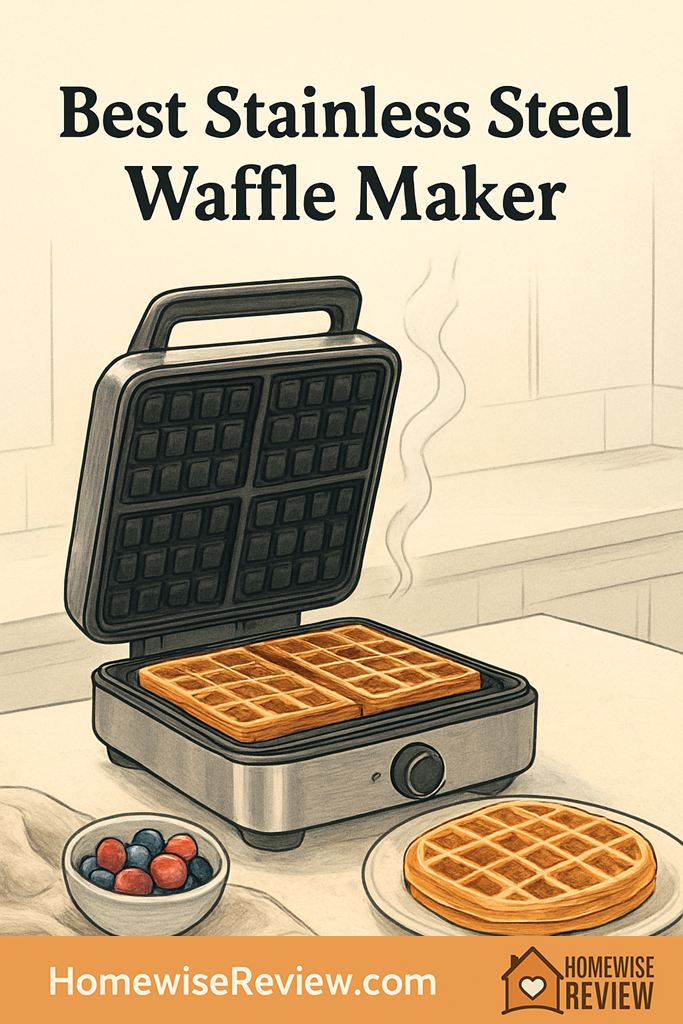
Ever notice how waffles can look done on the outside but still come out a little soft and blotchy? I started paying attention to two things that changed everything: letting the iron fully preheat until the indicator says it is ready, and waiting for the steam to slow down before I open the lid. When the plates hold steady heat and the waffle releases without tugging, cleanup is basically a quick wipe instead of a scrub session.
In-depth Reviews
Breville BWM620XL The Smart Waffle Pro
- Very consistent browning from batch to batch
- Reliable release with minimal oiling
- Helpful cues that reduce guesswork
- Takes up noticeable counter or cabinet space
- Higher price than basic models
All-Clad 4-Square Belgian Waffle Maker (Stainless Steel)
- Makes multiple waffles at once for faster batches
- Solid, even heat for consistent texture
- Good crisping without over-drying
- Footprint is large for smaller kitchens
- Cleanup takes longer if plates are not removable on your version
Cuisinart WAF-F20 Double Belgian Waffle Maker
- Two waffles per batch speeds up breakfast
- Straightforward controls that are easy to repeat
- Good results with both homemade and boxed mixes
- More seams and edges to wipe down after spills
- Can take a little dialing-in for your preferred crispness
KRUPS 4-Slice Belgian Waffle Maker (Stainless Steel)
- Removable plates make cleanup much less annoying
- Cooks evenly with a defined, crisp grid
- Good balance of capacity and everyday usability
- Preheating can feel a bit slower than higher-end models
- Plates need to be fully seated to heat evenly
Cuisinart WAF-300P1 Belgian Waffle Maker with Pancake Plates
- Swappable plates add real versatility
- Solid heat once preheated, with good release
- Easy to store and bring out for weekend breakfasts
- You need to store the extra plates
- Plates can stain if you do not wash soon after use
Buying Guide
What We Wish We Knew Before Buying a Stainless Steel Waffle Maker
Stainless looks clean, but it needs the right wipe-down. The easiest routine is also the gentlest: once the unit is cool enough to touch, wipe with a damp microfiber cloth, then immediately buff dry. That second step prevents water spots and keeps fingerprints from building up. If you want it to look truly polished, a tiny drop of dish soap in warm water (not harsh cleaner) is usually all you need.
Preheat longer than you think, especially for crisp waffles. Most people pour batter the second the ready light comes on, then wonder why the first waffle is pale. Give the plates a full extra minute to heat soak, then cook that first waffle a touch longer. After that, the machine is at a more stable temperature and the rest of the batch tends to brown more evenly.
Avoid the cleanup mistakes that make waffle makers “mysteriously” start sticking. Skip aerosol sprays unless your manual specifically approves them. Use a thin brushed-on oil instead, and wipe the plates clean after each session. If batter overflows and bakes on, do not scrape with metal. Close the plates with a warm, damp paper towel inside for a few minutes to soften the mess, then wipe with a soft cloth or silicone brush.
Worth Knowing Before You Buy
Do not trust the ready light. If you pour batter the second it turns on, the first waffle is often pale or blotchy; wait another minute for the plates to heat through, and keep the lid closed until the steam slows if you want a crisp waffle instead of one that is merely cooked.
💡 Editor’s Final Thoughts
Final Verdict: The Breville Smart Waffle Pro is the top pick for most kitchens because it consistently turns out evenly browned waffles with less guesswork and fewer “why is this one lighter?” surprises. If you regularly cook for a group, the All-Clad 4-square Belgian model earns its keep by producing more waffles per batch without sacrificing crispness.
See also
If you are trying to keep your counters calm and useful, start with best kitchen gadgets that actually earn counter space and pair it with kitchen tools every home cook actually uses.
- Kitchen accessories that make everyday cooking easier
- Time-saving kitchen gadgets for busy moms
- Cosori 5.8 qt air fryer review for quick weeknight meals
Frequently Asked Questions ▾
Is a stainless steel waffle maker actually better than a plastic one?
Stainless steel usually matters most for durability and day-to-day living. It tends to handle heat better over time, resists staining, and cleans up nicely with a quick wipe (especially if you are dealing with splatters or a little batter overflow). The cooking performance still comes down to the heating system and plate quality, but stainless housings often show up on better-built machines with more consistent temperature control.
The trade-off is that stainless can show fingerprints and smudges. If that will bother you, plan to keep a soft microfiber cloth nearby and wipe it down once it cools.
What makes a waffle maker brown evenly (and not pale in the middle)?
Even browning comes from steady heat across the plates and good temperature recovery between batches. Machines that preheat thoroughly and hold temperature tend to give you that consistent color from edge to edge, instead of a darker ring with a soft center. Helpful features include clear readiness indicators, a controlled browning dial (not just an on-off light), and plates with deep, defined grids that promote crisping.
One practical tip: once the “ready” light comes on, give it another minute before you pour the batter. That extra heat soak can make a bigger difference than you would think.
How do I keep waffles from sticking without wrecking the nonstick coating?
First, skip aerosol cooking sprays if your manual warns against them. They can leave a gummy residue that bakes on over time and actually makes sticking worse. Instead, use a silicone pastry brush to apply a thin layer of neutral oil (like avocado or canola) to the grids before the first waffle and again only as needed.
Second, wait for true doneness before you lift the lid. If you open too early, the waffle can tear and stick. When the steam slows down and the waffle releases easily with a silicone spatula, it is ready.
Are removable plates worth it?
If you make waffles often, removable plates are a real quality-of-life upgrade. They let you wash the grids properly, get into corners, and reset the machine after a messy overflow. For families or anyone making multiple batches, that faster cleanup makes it more likely the waffle maker actually gets used instead of living in the back of a cabinet.
Fixed plates can still be easy if the nonstick is good and the drip area is accessible, but you need to be consistent about wiping while the unit is just warm (not hot) so residue does not harden.
How do I clean a stainless steel waffle maker without scratching it?
Let it cool to warm, then wipe the exterior with a barely damp microfiber cloth, followed by a dry cloth to prevent water spots. For fingerprints, a drop of mild dish soap in warm water works well, and a final dry buff keeps it looking tidy. Avoid abrasive pads or gritty cleaners on the stainless housing since they can dull the finish.
For the plates, never pour water directly into the machine. Use a damp cloth or soft brush to loosen crumbs, then wipe clean. If batter baked on, lay a warm, damp paper towel on the closed plates for a few minutes to soften it, then wipe.
As an Amazon Associate, we earn from qualifying purchases made through links on our site.