

Fast, no-fuss boils with intuitive presets, controlled pouring, and neutral stainless-steel flavor — simple to care for with routine descaling.
We may earn a small referral fee
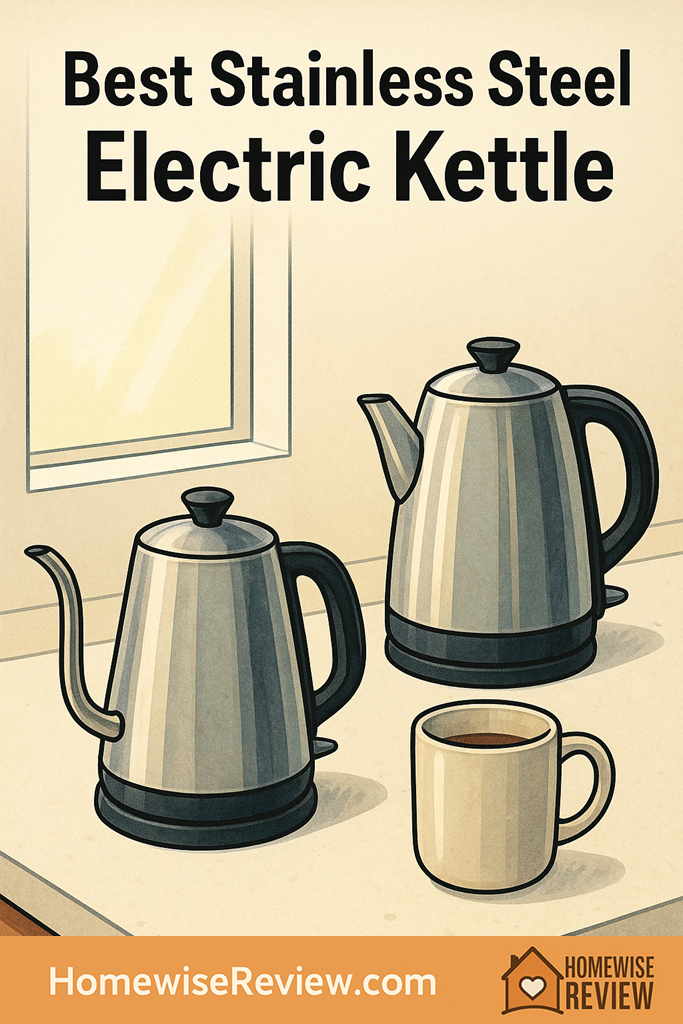
You want fast boiling without plastic-tasting water or fussy cleanup. These stainless steel electric kettles deliver cleaner flavor, safer materials, and better pouring for tea, coffee, and everyday hot water.
In-depth Reviews
Cuisinart CPK-17 PerfecTemp Stainless Steel Electric Kettle
- Preset temps make tea and coffee more repeatable
- Controlled, spill-resistant pouring
- Simple to use daily without a learning curve
- Exterior can show fingerprints and water spots
- Not as precise for slow pour-over as a gooseneck kettle
Fellow Stagg EKG Electric Pour-Over Kettle (Stainless Steel)
- Excellent pour control for coffee
- Stable temperature control for repeatable brews
- Feels calm and controlled in use
- Smaller capacity than family-size kettles
- Not the fastest option if you mainly want boiling water
Breville Smart Kettle Luxe (Stainless Steel)
- Presets are fast to use and easy to remember
- Consistent heating across repeated boils
- Comfortable pouring for mugs and teapots
- Premium price compared with basic kettles
- Interior cleanup still requires regular descaling in hard-water areas
OXO Brew Adjustable Temperature Electric Kettle (Stainless Steel)
- Clear display and easy-to-use controls
- Dial-in temperatures are great for varied teas
- Predictable pour with minimal drips
- Capacity may feel small for families
- Not designed for ultra-slow pour-over technique
Hamilton Beach Stainless Steel Electric Kettle (1.7L, boil-only models)
- Fast, no-fuss boiling
- Easy for anyone in the household to use
- Solid safety basics for the price
- No temperature selection for tea styles
- Materials and parts feel simpler than premium kettles
Buying Guide
Quick Care Guide: Better-Tasting Water and a Longer-Lasting Kettle
Descale on a schedule, not when it gets gross. Even a great stainless kettle will collect mineral scale if you have hard water. When scale builds up, kettles can get louder, heat less efficiently, and shed chalky flecks into your mug. A simple routine (a quick vinegar or citric-acid soak followed by thorough rinsing) keeps performance consistent and helps your tea taste clean.
Do a “steam sniff” check every few weeks. Heat plain water, open the lid carefully, and smell the steam. If you pick up a musty or metallic note, it is time for a deeper clean, including the underside of the lid and around the spout. Those spots can trap residue even when the main chamber looks fine.
Small habits prevent big problems. Empty leftover water if your kettle sits for days, and leave the lid cracked open so the interior dries fully. Avoid letting the base get wet, and do not store the cord wrapped tightly around the base for long periods if it puts strain on the connection. If your water is very hard, using filtered water can noticeably reduce scale and keep your kettle looking and tasting better between cleanings.
💡 Editor’s Final Thoughts
Final verdict: The Cuisinart PerfecTemp is the best overall stainless steel electric kettle for most kitchens because it balances fast boiling, genuinely useful temperature presets, and easy day-to-day handling. If you want coffee-level pouring precision, step up to the Fellow Stagg EKG; if you just need reliable boils on a tighter budget, the Hamilton Beach gets it done.
See also
For the bigger picture on why this appliance is such a daily win, read Electric kettles: why the Brits are right, and pair it with Best kitchen water filters for clean kettle water if you want less scale and better-tasting tea.
- Kitchen gadgets that truly earn their counter space
- Top kitchen gadget picks for busy moms
- Everyday kitchen accessories that upgrade how you cook
Frequently Asked Questions ▾
Is “stainless steel” just about the outside, or does the interior matter?
The interior matters more than the exterior for taste and peace of mind. Many kettles have a stainless body but still use plastic parts near the spout, lid, or water window, which can affect odor and long-term durability. If you are sensitive to smells or you make delicate teas, prioritize a stainless interior and a well-designed lid that vents steam away from your hand.
Do you really need variable temperature control?
If you mainly boil water for ramen, oatmeal, or French press, a simple boil-only kettle is often enough. Variable temperature becomes worth it if you brew green tea, white tea, or pour-over coffee, where slightly cooler water improves flavor and reduces bitterness. Presets are fast and convenient, while a dial gives more control if you like to tinker.
How do you descale a stainless steel electric kettle?
Unplug the kettle, then fill it with a mix of water and a mild acid like white vinegar or citric acid solution. Heat it (or bring it close to boiling if your model allows), let it sit, then pour out and rinse thoroughly. The key is consistency: light, regular descaling is easier than waiting for thick mineral buildup that flakes into your cup.
What size kettle should most households buy?
For one or two people, a smaller kettle heats quickly and takes up less room, which makes it easier to use daily. For families or anyone who frequently fills a big French press, makes tea for guests, or preps hot water for cooking, a larger capacity means fewer refills. If you regularly entertain, you will appreciate the extra headroom.
Can you boil milk, soup, or other liquids in an electric kettle?
It is best to stick to water only unless the manufacturer explicitly says otherwise. Milk and sugary liquids can scorch on the heating element, foam up into the lid, and create a cleaning problem that can impact future water taste. If you need hot milk, use a dedicated milk frother, a small saucepan, or an electric warmer designed for that job.
As an Amazon Associate, we earn from qualifying purchases made through links on our site.