

Front-zip ease with a firm underband that stays locked through heavy bracing—supportive without feeling overly restrictive.
We may earn a small referral fee
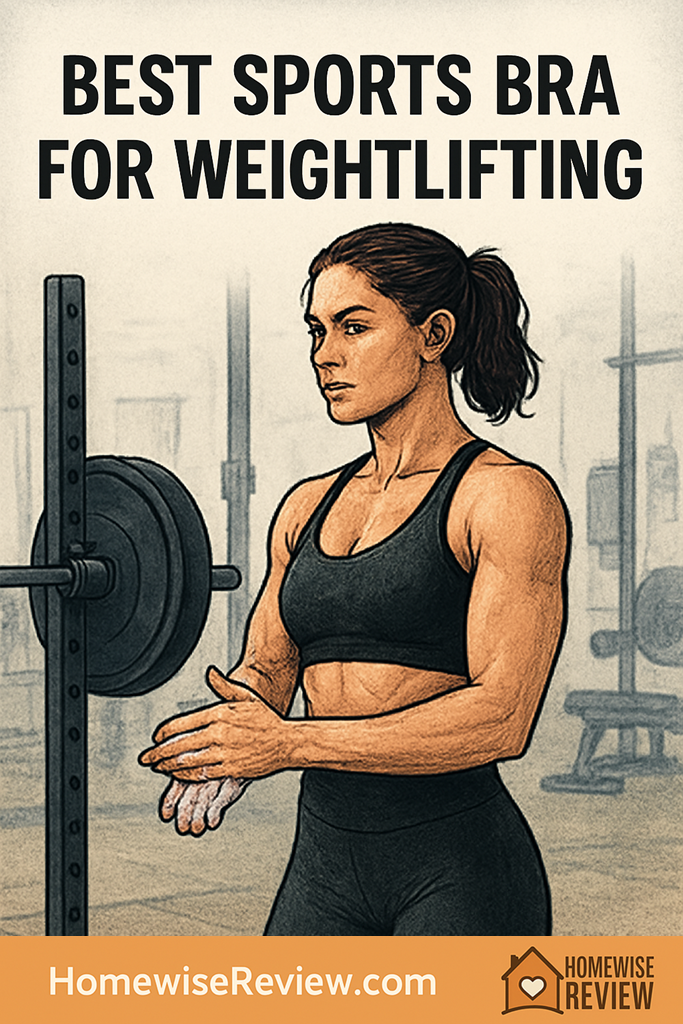
A great lifting sports bra should feel locked-in but not suffocating when you brace hard. These picks prioritize stable bands, smart strap placement, and sweat-friendly comfort for real gym sessions.
In-depth Reviews
Nike Alpha High-Support Padded Zip-Front Sports Bra
- Stable support that holds during heavy bracing
- Easy on and off after sweaty sessions
- Controls bounce without feeling overly restrictive
- Front-zip styles can feel stiff at first
- Some lifters may prefer less coverage for hot gyms
SHEFIT Ultimate Sports Bra
- Highly customizable fit that adapts to your training day
- Very secure feel for larger busts and dynamic sets
- Stays put during overhead work and pull-ups
- Bulkier than minimalist training bras
- Hardware can rub if the fit is slightly off
Lululemon AirSupport Bra
- Supportive without feeling heavy or bulky
- Comfortable for overhead sessions and long workouts
- Sweat-friendly feel that does not get clammy fast
- Pricey compared with basic training bras
- Less forgiving if you are between sizes
Panache Sport Non-Wired Sports Bra
- Excellent control and shaping without an underwire
- Comfortable for longer workouts and mixed training
- Great option when compression-only bras feel too tight
- Seams and straps can be noticeable for certain bar placements
- More structured feel than seamless styles
Champion Spot Comfort Full-Support Sports Bra
- Strong value for a supportive, gym-ready bra
- Reliable stability for straightforward lifting sessions
- Good rotation option so you are not over-washing one favorite
- Less polished feel than premium fabrics
- Can feel warm in very hot gyms
Buying Guide
Fit Check: The 60-Second Sports-Bra Test for Heavy Lifting
Start with the band, not the straps. Before you adjust anything else, make sure the band sits level around your ribcage and does not creep upward in back. A band that rides up is the fastest way to end up yanking your bra down between sets, and it can make straps feel like they are digging even when the straps are not actually too tight.
Do a “brace and reach” test. Take one deep belly breath, brace like you are about to squat, and then reach both arms overhead as if you are setting up for a press. You want stable support with zero pinching at the front ribs and no strap slipping. If your breath feels blocked, loosen the band or move to a style with less compression. If you feel bounce on the reach, you likely need more support or a better band fit.
Set it up for your hardest movement, then back off one notch. If your top set is a heavy squat or a high-rep kettlebell finisher, adjust your bra to feel secure for that “worst case” moment. Then relax straps slightly for the rest of training so your shoulders are not carrying the load. This small tweak is one of the easiest ways to stay comfortable and still feel locked-in when it counts.
💡 Editor’s Final Thoughts
Final verdict: The Nike Alpha High-Support Padded Zip-Front Sports Bra is the top pick for most lifters because it stays stable through heavy sets and is easy to get on and off when you are sweaty. If you want the most customizable fit for different training days (or your size fluctuates), the SHEFIT Ultimate Sports Bra is the most adjustable option in the lineup.
See also
If your bra rubs your underarms after training, start with ingrown hair prevention for underarms to reduce irritation and bumps.
- The best epilators for smoother underarms with less stubble
- Best home audio systems to power your workout playlists
- Best bedroom fans for quiet, cool recovery sleep
Frequently Asked Questions ▾
Do I need a high-impact sports bra for weightlifting?
Not always. For most strength sessions, a supportive “medium to high” bra is ideal because it minimizes vertical movement without over-compressing your ribs when you take a big belly breath to brace. If your workouts include jump rope, running between equipment, box jumps, or burpees, you will usually appreciate a true high-support option.
If you feel like you have to constantly readjust, or you avoid explosive work because of bounce, that is a sign to move up in support.
How tight should a sports bra be for heavy lifts?
Snug at the band, comfortable at the ribcage. The band should not slide when you raise your arms overhead, but you should still be able to inhale deeply into your belly and expand your torso 360 degrees for bracing. If you feel sharp pressure at the front ribs, tingling in your arms, or you cannot get a full breath between sets, it is too tight.
A practical test: take three slow, deep breaths and then do a hard “brace” like you are about to squat. You should feel supported, not trapped.
Racerback, crossback, or straight straps: which is best for lifting?
Racerback and crossback styles typically resist strap slippage during pull-ups, rows, and overhead pressing, which is why they are common for training bras. The trade-off is that some racerbacks can feel restrictive through the upper traps and shoulder blades on long sessions.
Straight straps can feel more open and less “pulled in” across the shoulders, which some lifters prefer for bench and upper-body days. If you squat with a low-bar position, watch for bulky strap hardware that can sit right where the bar rests.
Why does my longline sports bra roll up, and how do I stop it?
Rolling usually happens when the band is either too loose (it slides and bunches) or too tight (it grabs and flips), or when the fabric is very stiff and your torso folds during hinging and bracing. First, confirm the band is level all the way around and not creeping upward in back. Next, tighten straps only enough to keep the cups anchored, since over-tight straps can pull the band upward.
If you are between sizes, many lifters do better sizing up in longline styles, then relying on a firm underband to hold the bra in place rather than extra strap tension.
How often should I replace a sports bra if I lift regularly?
Replace it when the band loses its “snap.” If you can pull the band far from your ribs and it does not rebound quickly, or you notice new bounce on movements that used to feel controlled, the elastic is fading. Frequent washing, high heat drying, and rotating through only one or two bras speeds up wear.
As a rule of thumb, if you lift several days a week, rotating at least two to three bras and air-drying them helps maintain support much longer.
As an Amazon Associate, we earn from qualifying purchases made through links on our site.