

Adjustable fit that locks during forward-leaning rides, resists shift and chafe; do a 60-second riding-position check for proper band fit.
We may earn a small referral fee
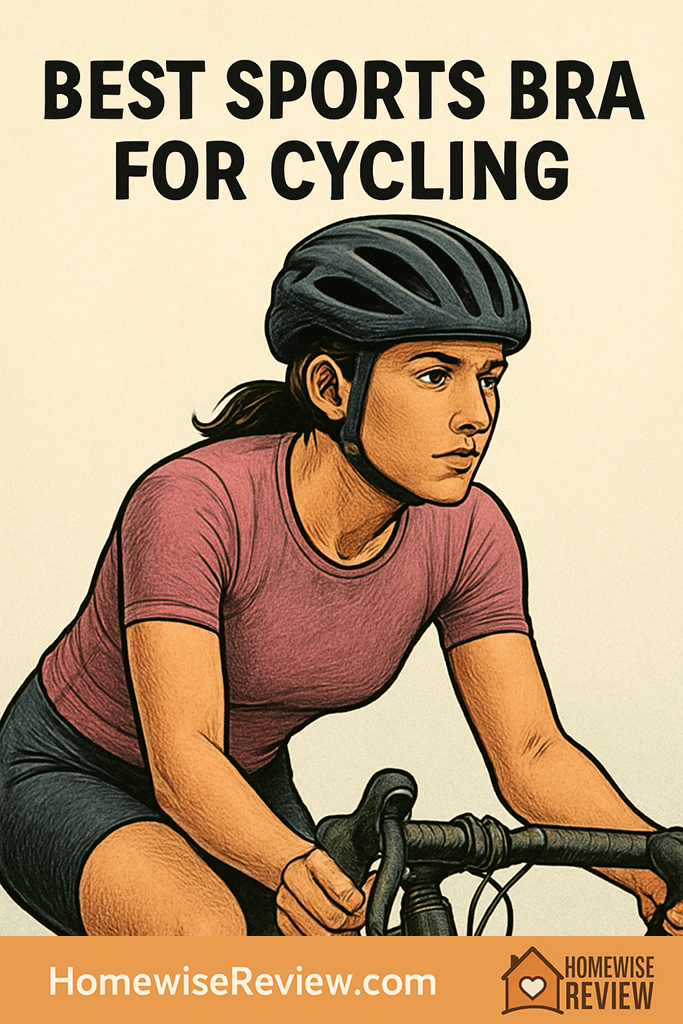
If your sports bra shifts, rubs, or traps sweat on the bike, every mile feels longer. These cycling-friendly picks stay comfortable in the riding position and hold up on hot, high-effort rides.
In-depth Reviews
SheFit Ultimate Sports Bra
- Highly stable fit once dialed in
- Easy on and off after a hot ride
- Great control during climbs and sprints
- Adjustment system takes a few minutes the first time
- More structured feel than minimalist bras
Panache Women’s Underwire Sports Bra
- Strong lift and separation
- Very steady support over bumps
- Breathes better than many compressive styles
- Underwire feel is not for everyone on long rides
- Fit is less forgiving if sizing is off
Brooks Drive Interlace Sports Bra
- Low-chafe feel for longer sessions
- Supportive without feeling restrictive
- No fussy hardware to rub under layers
- Pullover style can be harder to remove when drenched
- Less “max lockdown” than heavy-duty options
Nike Dri-FIT Swoosh Medium-Support Non-Padded Sports Bra
- Comfortable, simple fit under jerseys
- Good sweat handling for the cost
- Easy choice for medium-support needs
- Not enough support for everyone on rough rides
- Less adjustability than premium styles
ENELL Sport High Impact Bra
- Exceptional bounce control
- Secure feel for rough terrain
- Front closure is practical when sweaty
- More coverage and warmth on hot days
- Can feel very compressive for some riders
Buying Guide
Quick Fit and Chafe Checklist (So You Do Not Think About Your Bra Mid-Ride)
Do a 60-second riding-position test before you commit. Put the bra on, then lean forward like you are on the hoods and take five deep breaths. If the band feels like it is blocking rib expansion, you will notice it even more once you are working hard. Next, reach forward and back a few times: if the straps slide toward your neck or the band creeps up, that is usually a sizing or adjustability issue, not something you “break in.”
Match your bra to your bib straps, not just your outfit. Most irritation on the bike happens where layers stack: bib straps over bra straps, plus jersey seams. If your bib straps sit wide, a bra with straps that sit a bit closer to the neck can reduce overlap. If your bib straps cross the center back, avoid bras with bulky back hardware or thick strap junctions. On extra-long days, consider a thin, seamless base layer over the bra to reduce friction and help spread sweat, especially if you are prone to salt buildup.
Plan for sweat management, not just support. The most supportive bra in the world can still feel miserable if it stays soaked. Rotate bras so elastic has time to recover, and rinse promptly after hot rides if you cannot wash right away, since dried sweat can make fabric feel scratchy on the next wear. Skip fabric softener because it can reduce stretch and moisture performance. If you regularly get a red, tender line under the band, try a small amount of anti-chafe balm along the underband before you start, and make sure the band is level all the way around instead of riding up in back.
💡 Editor’s Final Thoughts
Final Verdict: The SheFit Ultimate Sports Bra is our top pick because the adjustability makes it easy to dial in a secure, no-bounce fit that stays comfortable in a cycling position. If you want the most locked-in feel for a fuller bust, the Panache Underwire Sports Bra is a close runner-up for structured support.
See also
If sweat is your biggest ride killer, start with our guide to deodorants for excessive sweating and, for race-day nerves or commute stress, our best deodorant for stress sweat.
- Microfiber vs cotton towels: what actually feels better post-ride
- Shower filters that help protect color-treated, fragile hair
- Cooling body products for hot flashes and overheated workouts
Frequently Asked Questions ▾
Do I need a high-impact sports bra for cycling?
Not always. For steady endurance rides, many people are happiest in a medium-support bra that controls bounce without feeling like a chest binder, especially in a deep breathing, forward-leaning position. If you ride rough gravel, do a lot of out-of-saddle climbing, or have a fuller bust, high support becomes more important because vertical movement and vibration add up over hours. The “right” level is the one that keeps you comfortable without making you feel restricted when you inhale hard.
Underwire or wireless: which is better on the bike?
Wireless is often the safest bet for long rides because it reduces the chance of a pressure point where the wire meets the ribcage, especially when you’re hinged at the hips. That said, a well-designed underwire sports bra can feel more lifted and separated for fuller busts, which can improve comfort by reducing skin-on-skin sweat. If you go underwire, prioritize a wide, stable band, soft wire channels, and a fit that stays flat against your sternum without digging when you’re in the drops.
How tight should the band be for a cycling sports bra?
The band should do most of the work, but it should not feel like it’s sawing into you when you reach forward to the bars. A practical check: you should be able to take a full, deep breath and expand your ribs without feeling “stuck,” and the band should not ride up as you move your arms like you’re reaching for hoods and drops. If you notice a sweaty, irritated line under the band after every ride, try a slightly longer-line style, a softer elastic, or sizing up and relying on strap adjustment for fine-tuning.
What features matter most for preventing chafing under bib straps and jerseys?
Start with strap placement and hardware. Smooth straps that sit closer to the neck tend to avoid bib strap overlap, while bulky adjusters and sharp seam junctions can become hot spots once they’re pressed under a jersey. Next, look for a wide, stable underband and a fabric that feels slick (not cottony) when damp, since most chafing happens after sweat builds. On long or humid rides, a thin layer of anti-chafe balm where straps cross your collarbone or where the band meets your ribcage can make a noticeable difference.
How often should I replace a sports bra if I ride and wash it a lot?
Frequent washing and high-sweat use wear out elastic faster than most people expect. Replace your bra when the band no longer snaps back, the fabric stays stretched after drying, or you need to over-tighten straps just to get the same support. If you rotate two to three bras and avoid fabric softener (which can reduce stretch and moisture management), you’ll usually get a much longer, more consistent fit. A good rule of thumb is to treat “fit drift” as the signal, not the calendar.
As an Amazon Associate, we earn from qualifying purchases made through links on our site.