

Automatic sifting with a sealed waste drawer cuts daily scooping and controls odors, especially useful in busy multi‑cat homes.
We may earn a small referral fee
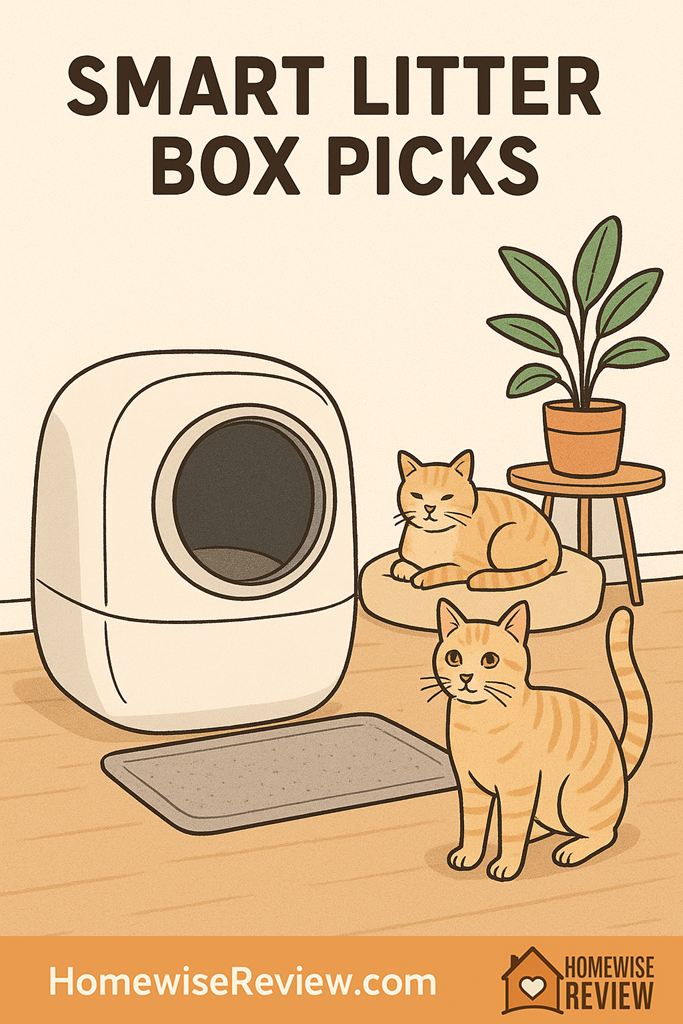
A good smart litter box cuts daily scooping, keeps odors under control, and makes multi-cat life far easier. The hard part is finding one that's actually safe, reliable, and worth the money.
In-depth Reviews
Whisker Litter-Robot 4
- Reliable cycle performance
- Excellent odor containment
- Strong choice for multi-cat homes
- Premium price
- Bulky footprint
Neakasa M1 Open-Top Self-Cleaning Cat Litter Box
- Open layout feels less claustrophobic
- Great fit for bigger cats
- Easy interior access for quick wipe-downs
- Odor control is not the strongest here
- Open design may allow a bit more scatter
Casa Leo Leo’s Loo Too
- Very quiet operation
- Strong waste sealing
- Helpful everyday alerts
- Ownership costs can add up
- Still takes a decent amount of floor space
PETKIT PuraMax 2 Self-Cleaning Litter Box
- Compact, apartment-friendly footprint
- Good odor control for the size
- Useful maintenance reminders
- Needs a little more wiping than top rivals
- Less roomy for very large cats
PetSafe ScoopFree SmartSpin Self-Cleaning Litter Box
- Lower buy-in than premium flagships
- Approachable design for many cats
- Smooth, tidy cleaning action
- App is less refined
- Overall fit and finish are not as premium
Buying Guide
What We Wish We Knew Before Buying
Transition goes better when the old box stays beside the new one for several days. Let your cat sniff and enter the smart box before you rely on it, and if your cat is cautious, keep automatic cycles off at first. Once they start using it confidently, run the cycle only after they have fully walked away.
Litter choice matters more than many brands admit. Most smart boxes perform best with a hard-clumping litter that forms dry, compact waste. Weak clumps and very lightweight formulas are more likely to smear, break apart, or leave residue on the interior, which means more wiping and more odor.
Also, plan for weekly upkeep instead of zero upkeep. Emptying the waste drawer, wiping sensors, and checking for stuck litter only takes a few minutes, but skipping those chores is what turns an expensive convenience into a messy headache.
💡 Editor’s Final Thoughts
The Whisker Litter-Robot 4 is the safest all-around buy because it combines dependable cycling, strong odor control, and the most polished app experience in the group. If your cat hates enclosed spaces or runs large, the Neakasa M1 is the smartest alternative.
See also
If you’re comparing everyday pet upgrades beyond the litter area, our best bed for French Bulldogs guide is a helpful next read.
- Healthy treats for French Bulldogs with sensitive stomachs
- Best toys for Dachshunds who need safe, engaging play
- Safe, comfy harness picks for Chihuahuas
- Gentle grooming brushes for French Bulldogs
Frequently Asked Questions ▾
Do smart litter boxes really reduce odor?
Yes, the good ones usually do. The biggest improvements come from more frequent waste removal, a covered waste drawer, and better sealing around the trash area. That said, no model is magic. If the drawer sits full for too long or the interior gets coated with residue, smells will build up fast.
Are smart litter boxes safe for kittens?
Usually not for very small kittens. Most brands set minimum size or weight guidelines, and those rules matter. If your cat is tiny, still learning litter habits, or likely to dart back in while a cycle starts, stick with a regular box until they are bigger and more predictable.
What litter works best in a smart litter box?
Hard-clumping litter is usually the safest bet. It forms cleaner waste clumps, separates more reliably, and leaves less sticky residue behind. Very lightweight formulas, oversized pellets, and weak-clumping litter can cause messier cycles and more maintenance than most shoppers expect.
How often do you still need to empty and clean one?
You still need regular upkeep, just a lot less scooping. Expect to empty the waste drawer on a routine schedule, top off litter as needed, and wipe the interior and sensors every week or so. Deep cleaning matters too, especially if your cat tends to kick litter, track heavily, or leave softer waste behind.
How do you help a cat adjust to a smart litter box?
The easiest transition is slow and boring. Put the new box beside the old one, keep it turned off at first, and let your cat explore it without noise or motion. Once they start using it, run cleaning cycles only after they walk away. Most cats do better when the change feels gradual instead of sudden.
As an Amazon Associate, we earn from qualifying purchases made through links on our site.