

Rewards powerful leg drives and low stroke rate, letting you build genuine pulling power and track consistent watts.
We may earn a small referral fee
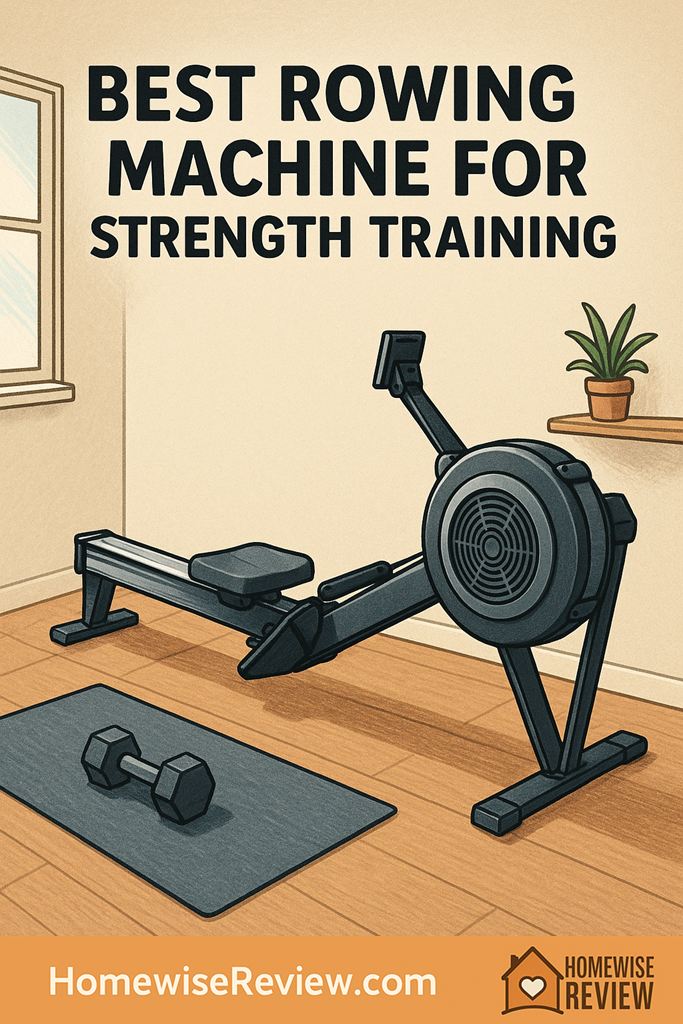
You want a rower that builds real pulling power, not just a light cardio burn. These picks deliver a stronger leg drive, tougher intervals, and the kind of resistance you can actually progress on at home.
In-depth Reviews
Concept2 RowErg (PM5)
- Responds well to powerful strokes and low-rate strength intervals
- Best-in-class performance tracking for progressive training
- Durable feel that holds up to frequent, hard sessions
- Noisier than magnetic or water rowers
- Industrial look is not everyone’s favorite indoors
Hydrow Rower
- Very smooth, controlled resistance for strength-style intervals
- Quiet ride that works well in shared spaces
- Coaching helps keep technique consistent under fatigue
- Membership is a big part of the experience and budget
- Large, heavy machine to move around
WaterRower Natural Rowing Machine
- Smooth, heavier-feeling catch that encourages powerful strokes
- Quieter, more pleasant sound than most air rowers
- Beautiful enough to store in visible spaces
- Less robust performance data without add-ons
- Water tank upkeep is minor but not zero
AssaultRower Elite
- Handles repeated hard sprints without feeling flimsy
- Air resistance scales well for power-based work
- Simple training experience with minimal setup
- Loud during high-effort sessions
- Not the most compact footprint
Sunny Health & Fitness SF-RW5515 Magnetic Rowing Machine
- Quiet magnetic pull for home-friendly training
- Good value for beginners building consistency
- Simple controls that are easy to use mid-workout
- Resistance ceiling can be limiting as you get stronger
- Less satisfying feel for max-effort power strokes
Buying Guide
How to Row for Strength (Not Just Sweat)
Use a lower stroke rate and chase watts. For strength-focused rowing, keep your stroke rate controlled and put the effort into the leg drive. A simple cue is “push the machine away,” then finish with a firm pull and quick hands away. When you row slower but hit higher power, your legs and back do more of the work instead of your lungs doing all the work.
Try interval structures that force power. Two of my favorites are 10 rounds of 30 seconds hard and 90 seconds easy, or 6 rounds of 2 minutes hard and 2 minutes easy. Aim to hold power steady across each work interval rather than fading, and keep your recovery truly easy so you can attack the next round with good form.
Pair rowing with a simple strength plan. If you lift, use rowing as a finisher on lower-body days or as a stand-alone conditioning session on non-lifting days. If you do not lift yet, even two short weekly sessions of hinges (like dumbbell deadlifts), squats, and rows will make your rowing feel stronger fast. And do not skip recovery basics: a few minutes of gentle rowing and hip mobility after hard sessions keeps your next workout from feeling stiff and cranky.
💡 Editor’s Final Thoughts
Final Verdict: If you want the most reliable strength-training rower with the best long-term value, the Concept2 RowErg is still my top pick because it responds to power, tracks progress cleanly, and takes years of hard use. If you need quieter, more controlled resistance for strength-style intervals, move up to the Hydrow Rower for its smooth feel and coaching ecosystem.
See also
If you are building a compact workout area, start with our best home gym equipment for small spaces guide.
- Trailviber walking pad treadmill review for low-profile daily cardio
- Peloton indoor bike review for an alternative to rowing days
- Theragun Prime review for post-row recovery and tight hips
Frequently Asked Questions ▾
Can a rowing machine really build muscle and strength?
Yes, especially in your legs, glutes, upper back, and core, but it is usually strength endurance more than pure max strength. To make rowing more strength-focused, prioritize powerful strokes, lower stroke rates, and progressive overload through harder intervals, longer work sets, or more total weekly volume. Pairing rowing with basic lifting (squats, hinges, pulls, presses) is the fastest path to visible strength gains.
Which resistance type is best for strength training: air, magnetic, water, or electromagnetic?
Air resistance rewards effort the most, so it is excellent for power work and testing progress, but it can feel more like conditioning if you always chase high stroke rates. Magnetic and electromagnetic resistance can feel more “weight-like” because the load stays steady across the stroke, which many people prefer for strength-oriented intervals. Water resistance sits in the middle, with a heavy, smooth catch that encourages strong leg drive while staying easy on the joints.
What metrics should I pay attention to if my goal is strength?
Watts (power) and stroke rate are the big two, because they tell you how hard you are pulling and whether you are relying on speed instead of force. Time, distance, and split pace are still useful, but they can hide sloppy technique if you just spin faster. If your machine offers it, a force curve or consistent watts at a controlled stroke rate is a great “strength” benchmark.
What does a strength-focused rowing workout look like?
Think short and heavy, not endless steady state: for example, 10 rounds of 30 seconds hard and 90 seconds easy, or 6 rounds of 2 minutes hard and 2 minutes easy at a controlled stroke rate. Your legs should feel like they are doing a strong push, and your finish should feel crisp, not frantic. If you can talk comfortably during the work portion, it is probably too easy for a strength-focused day.
Is rowing safe for knees and lower backs?
Rowing is generally joint-friendly, but setup and sequencing matter. Keep your shins close to vertical at the catch, drive with legs first, and avoid yanking early with your lower back. If you feel back strain, shorten the slide slightly, focus on bracing, and check that your foot straps are not forcing your heels to pop up too soon.
As an Amazon Associate, we earn from qualifying purchases made through links on our site.