

Iconic retro styling with variable temperature control, steady grip, and a clean, drip‑free pour for fuss‑free mornings.
We may earn a small referral fee
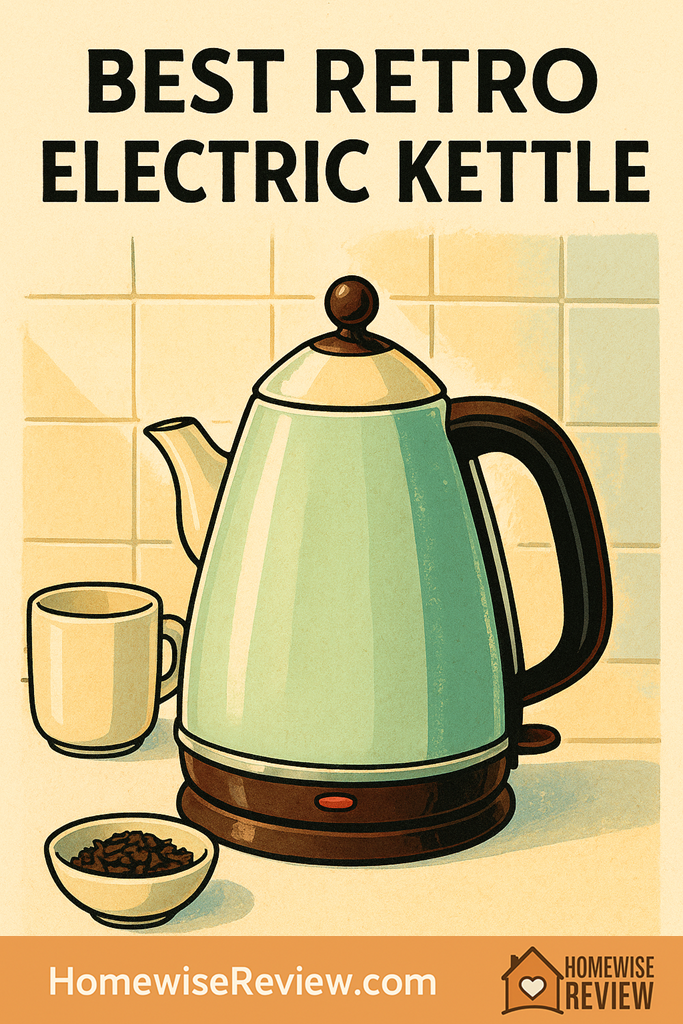
You want a retro electric kettle that looks right on the counter but still boils fast, pours cleanly, and does not become a fussy daily chore. These picks focus on the stuff you will notice every morning: spout control, lid access, heat consistency, and how easy the kettle is to live with.
In-depth Reviews
Smeg 50’s Style Variable Temperature Electric Kettle (KLF04)
- Controlled pour with fewer stray drips
- Temperature control is simple enough to use daily
- Feels stable when lifting and setting down
- Pricey compared with boil-only retro kettles
- Glossy colors show fingerprints and water spots
Haden Dorset Electric Kettle
- Easy fill and easier cleaning than many retro kettles
- Reliable everyday performance for the price
- Stays tidy on the counter with simple cord storage
- No temperature control
- Spout can drip if you rush the pour
KitchenAid Electric Kettle (KEK1222)
- Counter-friendly size that still feels stable in hand
- Simple, no-fuss filling and pouring
- Good choice for smaller households
- Smaller capacity can be limiting for guests
- No temperature control
De’Longhi Icona Vintage Electric Kettle (KBOV2001)
- Easy to control the pour for mugs and small cups
- Predictable daily operation with solid shutoff
- Good fit and finish for frequent use
- No temperature presets for tea brewing
- Exterior can show water spots near the spout
Russell Hobbs Retro Style Electric Kettle
- Gets the retro look without the premium price
- Easy to lift and return to the base
- Handy water window for quick fills
- Pour can get splashy if you tip too quickly
- Materials feel simpler than premium retro models
Buying Guide
Quick Care Guide: Keep Your Retro Kettle Fast, Quiet, and Spot-Free
Descale on a schedule, not when it gets bad. Retro kettles often have narrower bodies and more painted or glossy exterior surfaces, so scale buildup can sneak up on you and make the kettle louder and slower. If your water is hard, a quick descale every few weeks usually beats a long, aggressive soak that can leave lingering odors. After descaling, rinse well and boil a full kettle of clean water once to reset the taste.
Only heat what you need. It saves time, reduces scale, and keeps the outside cleaner because there is less steam condensing around the spout and lid. If you refill repeatedly through the day, dump any leftover water before bedtime and leave the lid cracked open so the interior can dry.
Protect the finish with simple habits. Wipe the kettle down with a soft, slightly damp cloth after use, especially around the spout where droplets dry into spots. Avoid abrasive pads and harsh cleaners that can dull glossy color. Also keep the base dry: if you set a wet kettle on the base, mineral residue can build up on the contact area over time and make the setup feel gritty.
💡 Editor’s Final Thoughts
Final verdict: The Smeg 50’s Style Variable Temperature Electric Kettle (KLF04) is the best retro electric kettle for most people because it nails everyday pouring and usability while adding temperature control you will actually use. If you want a more affordable retro look that still works well day to day, the Haden Dorset Electric Kettle is the value pick that feels least like a compromise.
See also
For a wider look at features like temperature control, materials, and safety, see our guide to electric kettles and our roundup of kitchen gadgets that actually earn counter space.
- Everyday kitchen accessories that make cooking smoother
- Kitchen gift ideas for tea lovers, coffee fans, and home cooks
- Practical kitchen tools you will reach for constantly
Frequently Asked Questions ▾
Are retro electric kettles slower than modern ones?
Not inherently. Most retro-style kettles use the same basic electric heating approach as modern designs, so boil time usually comes down to wattage, how much water you heat, and how much scale has built up inside. Where retro models can differ is usability: a narrow lid can make filling and descaling harder, and a drippy spout can make them feel messy even if they heat quickly. If speed matters, keep the kettle descaled and only heat what you need.
Do I need variable temperature control for tea and coffee?
It depends on how you brew. If you mostly make black tea, instant oats, French press, or pour-over with a dark roast, a simple boil-only kettle is usually fine. Variable temperature is worth paying for if you regularly brew green tea, white tea, or specialty coffee where a slightly cooler target can reduce bitterness. It is also useful if you want a hold function so your water is ready when you are.
What is the easiest way to remove limescale without damaging a retro finish?
Focus on the inside first. Fill the kettle with water and a small amount of white vinegar or a citric-acid solution, let it sit briefly (do not forget it for hours), then heat it and rinse thoroughly. Boil a full kettle of plain water once after rinsing to clear any lingering taste. For the exterior, skip abrasive powders and scrubby sponges that can haze glossy color. Use a soft cloth with mild dish soap, then dry it right away so mineral spots do not bake on near the spout.
Why does my kettle shut off before the water looks like a rolling boil?
Many kettles trigger shutoff based on steam reaching a sensor, not on how dramatic the bubbles look from above. In a narrow, tall kettle, the surface can look calmer even when the water is at temperature. Heavy scale buildup can also change how the boil appears and make the kettle noisier. If the water is not actually hot enough, descale the kettle, make sure the lid is fully seated, and confirm the kettle is not overfilled past the maximum line.
Is plastic inside a retro kettle a deal-breaker?
Not automatically, but it is worth paying attention to what touches hot water. Some kettles use plastic for the lid underside, level window, or filter housing. If you are sensitive to taste or you want to minimize plastic contact, prioritize a stainless interior and a metal filter, and do a couple of full boils and rinses before first use. Also avoid leaving water sitting in the kettle for long stretches, since stagnant warm water can pick up odors faster.
As an Amazon Associate, we earn from qualifying purchases made through links on our site.