

Stable, predictable tension that mimics free weights — quick five‑second inspection before heavy pulls keeps sessions safe.
We may earn a small referral fee
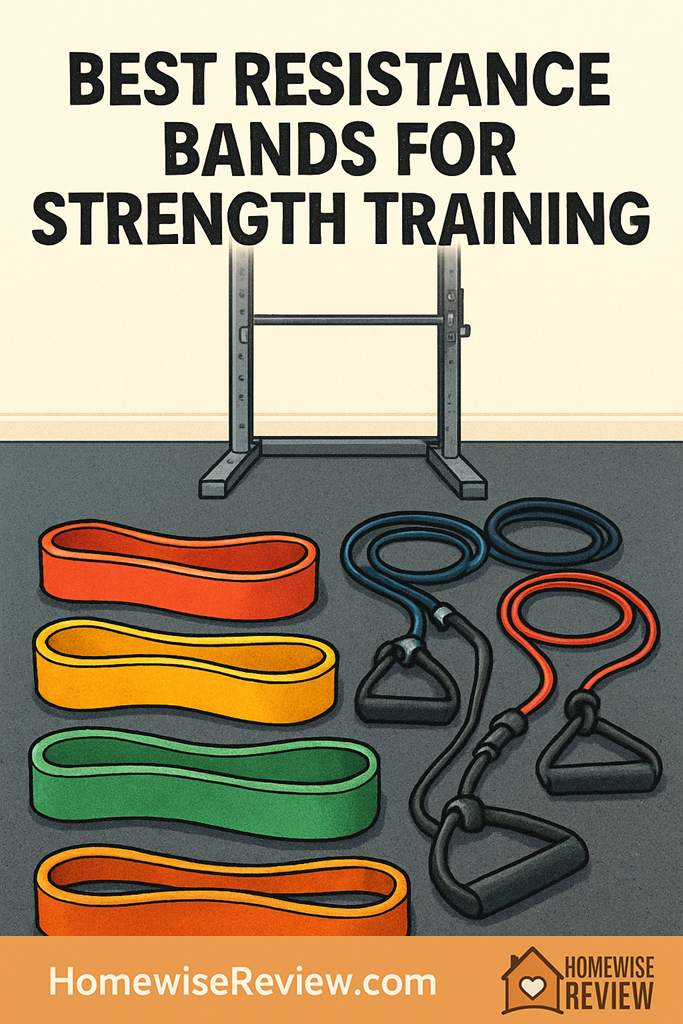
You want bands that feel stable, load your muscles like real strength work, and do not snap, roll, or slip mid-rep. These top picks make it easy to choose the right style for your training and space.
✨ 2026 Spotlight
2026 Spotlight: Hybrid home-gym setups are pushing more shoppers toward durable loop bands for heavy lower-body work and stackable tube systems for controlled upper-body sessions, so matching band style to your training is more important than ever. Rogue Monster Bands and Serious Steel Resistance Bands still fit lifters who want substantial resistance, while Bodylastics Stackable Tube Resistance Band Set stands out for adjustable versatility in tighter spaces. If pull-up progressions or rehab-friendly movement variety are priorities, WODFitters Pull Up Assistance Bands and the TheraBand CLX Consecutive Loop Exercise Band continue to deserve a close look in 2026.
In-depth Reviews
Rogue Monster Bands
- Consistent tension that feels stable under load
- Easy to progress by changing band width or pairing bands
- Reliable for assisted pull-ups and rack-based strength work
- Latex can bother sensitive skin or allergies
- No handles, so some movements need creativity
Serious Steel Resistance Bands
- Strong, steady pull that works well for strength sets
- Good durability for frequent anchoring and heavy tension
- Solid feel for lower-body patterns like hinges and squats
- Latex smell can be noticeable at first
- Can be awkward for handle-style exercises unless you add accessories
Bodylastics Stackable Tube Resistance Band Set
- Handles make pushing and pulling movements feel more natural
- Fast resistance changes without re-threading a band
- Convenient for travel or apartments with limited anchoring options
- Door-anchor moves depend on a solid door and careful setup
- Tubes can twist or roll if your foot placement gets sloppy
WODFitters Pull Up Assistance Bands
- Predictable assistance for pull-ups, dips, and skill progressions
- Works well as a general loop band for strength training
- Easy to scale by stepping down to a lighter band over time
- Can pinch if it twists during assisted movements
- Needs a secure bar or rack to use safely
TheraBand CLX Consecutive Loop Exercise Band
- Built-in loops make grip and setup quick and consistent
- Excellent for accessories, warmups, and joint-friendly volume
- Easy to pack and use almost anywhere
- Not ideal when you want very high peak tension
- Can twist if you rush reps or let tension go slack
Buying Guide
Quick Safety and Longevity Checklist (What Most People Miss)
Do a five-second inspection before you pull hard. Tiny nicks turn into big failures fast, especially on loop bands used under foot or over a bar. Look for thinning spots, small tears near the edges, and areas that look shiny or feel sticky. If anything looks off, retire that band to light warmups or replace it.
Anchor smart, then “proof test” your setup. Before you start a set, take a half step back and load tension gradually while watching the anchor point. For doors, anchor on the hinge side and close the door toward you, then tug progressively to confirm it will not shift. If you are looping onto a rack, avoid sharp knurling or metal edges that can chew up latex over time.
Track band setup like you track weights. The same band can feel wildly different depending on stance width, how far you step out, and whether the band is doubled. Write down the band used, anchor height, and your foot position so you can repeat the load and progress it intentionally. If a set feels too easy, add tempo or range before you jump to the next band and let form fall apart.
💡 Editor’s Final Thoughts
Final verdict: For most strength-focused home gyms, Rogue Monster Bands are the top pick because the tension feels consistent, the bands hold up under hard use, and the sizing makes progressive training straightforward. If your workouts are more “handles and a door anchor” than rack-based lifting, go with Bodylastics for the fastest setup and the most exercise variety.
See also
If you are building a compact setup around bands, start with Best home gym equipment for small spaces.
- TRAILVIBER walking pad treadmill review for easy daily steps between lifting sessions
- Peloton indoor bike review for low-impact cardio that pairs well with band training
- Theragun Prime massage gun review for recovery after high-tension band workouts
Frequently Asked Questions ▾
What type of resistance band is best for strength training: loop bands or tube bands?
Loop (power) bands are the best match when you want heavy tension, assisted pull-ups, or rack-based moves like squats and deadlifts. Tube bands with handles are usually easier for beginners because they feel more like dumbbell exercises and make grip simple. If you want one style that covers the most strength use cases, start with loop bands and add a tube kit later for variety.
How do I pick the right resistance level without buying the wrong set?
Aim for a band that lets you hit clean reps with control and leaves you a couple reps in reserve, similar to how you would pick a weight. For loop bands, it is usually smarter to buy two or three useful sizes than a huge bundle where you only use one. If you are between sizes, choose the lighter band and add difficulty with slower tempo, longer range of motion, or pairing bands.
Can resistance bands actually build muscle and strength like weights?
Yes, as long as you can progress over time and take sets close enough to failure with good form. Bands are especially effective for accessory work (rows, presses, hinges, curls, triceps, glutes) and for adding accommodating resistance to barbell-style patterns. The main limitation is peak load and repeatability, so tracking your setup (anchor height, stance, band combo, and reps) matters more than people expect.
What is the safest way to anchor resistance bands at home?
Use a rack, a stable post, or a purpose-made door anchor, then test tension gradually before your first work set. With doors, anchor on the hinge side and close the door toward you so it cannot pull open under load. Avoid sharp edges and rough concrete, and stop immediately if you see cracks, thinning, or sticky spots on the band.
How do I stop bands from rolling, snapping back, or irritating my skin?
For lower-body work, wider loop bands tend to stay flatter and feel more stable under foot than narrow ones. Wearing long socks or leggings helps with friction and pinching during movements like rows, presses, and pull-throughs. If snapback is the issue, slow down the return, keep tension through the full rep, and do not let the band go slack between reps.
As an Amazon Associate, we earn from qualifying purchases made through links on our site.