

Use light, running-specific bands to awaken glutes, stabilize hips, and add strength without overloading your legs.
We may earn a small referral fee
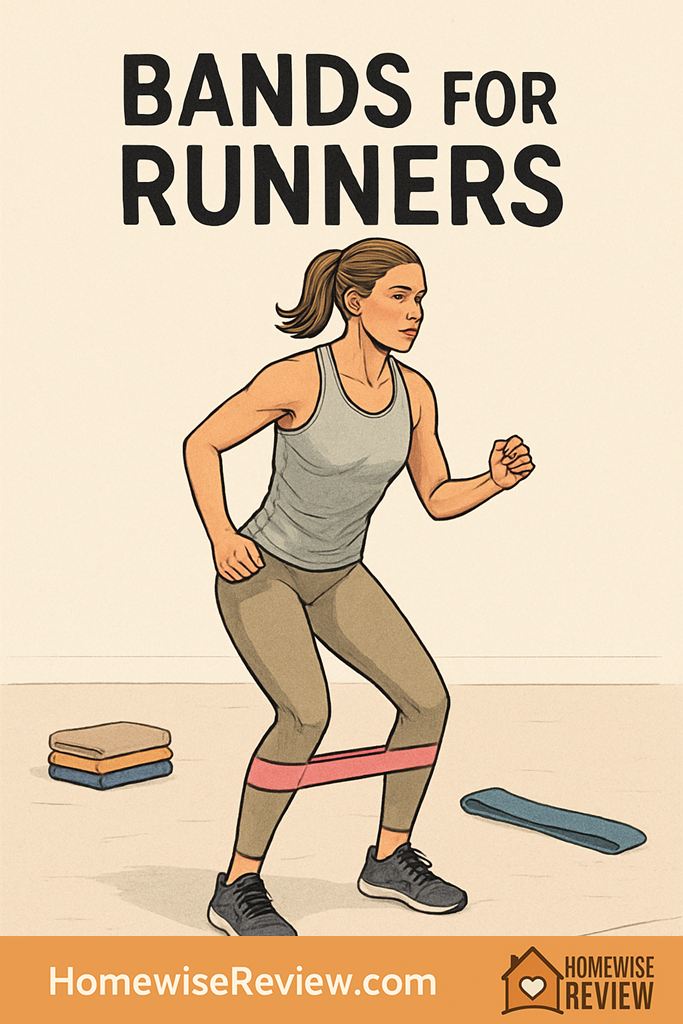
Runners often buy bands that are too heavy, too flimsy, or simply wrong for the job. The best resistance bands help you wake up your glutes, steady your hips, and build useful strength without beating up your legs.
Resistance bands are one of the smartest training tools runners can buy, but the wrong band can be too weak to matter or so strong that it changes your form. If you want better glute activation, hip stability, and strength between runs, the best resistance bands for running depend on your goal, not the prettiest set online.
Most runners do best with a small mix of band styles instead of one giant bundle. A light mini loop, a medium fabric loop, and one long flat band cover nearly everything from pre-run warm-ups to strength work and mobility days.
Why runners benefit from resistance bands
Running is repetitive and mostly forward-moving, so smaller stabilizing muscles can get overlooked. Resistance bands add lateral and rotational work that helps train glutes, hips, hamstrings, calves, and even upper-back posture without needing a full gym setup.
They improve activation before a run
Light bands help wake up the glutes and hip stabilizers so your stride feels more organized from the first mile. That matters most if you tend to feel your quads doing all the work or notice your knees drifting inward when you get tired.
They build useful strength with less joint stress
Bands create tension through a range of motion without loading your spine like heavy barbells can. For runners who already log miles each week, that makes it easier to add strength work without feeling wrecked for the next run.
They travel well and fit small spaces
A full strength setup is not realistic for everyone. Bands fit in a drawer, gym bag, or suitcase and still let you train on recovery days, hotel-room mornings, or quick sessions at home.
Types of resistance bands and what each one does best
Not all bands solve the same problem. The best resistance band for pre-run activation is often not the best one for squats, hip thrusts, or upper-body work.
| Band type | Best for runners | Pros | Watch-outs |
|---|---|---|---|
| Mini loop latex bands | Warm-ups, lateral walks, ankle work, glute activation | Affordable, light, portable, easy to use | Can roll on skin and may wear out faster than fabric |
| Fabric loop bands | Glute bridges, squats, hip thrusts, clamshells | Comfortable, less rolling, strong lower-body tension | Usually too bulky for ankle drills and less versatile for mobility |
| Long flat latex bands | Mobility, assisted stretches, rows, presses, deadlift patterns | Most versatile, good for full-body training, easy to pack | Tension rises quickly at end range, so control matters |
| Tube bands with handles | Home strength work for chest, back, shoulders, arms | Familiar grip, good for beginners who like handle-based exercises | Less useful for classic running drills around knees or ankles |
| Therapy bands | Rehab, very light activation, gentle mobility work | Great for beginners and low-level rehab work | Often too light for real strength progress once you adapt |
For most runners, mini loop bands are the best first buy because they handle the drills people actually use most. If you want one second band that expands your options the most, choose a long flat band or a fabric loop depending on whether you care more about mobility or strength.
Best resistance band choice by training goal
Best for pre-run activation: light mini loops
Use these above the knees, around the calves, or at the ankles for lateral walks, monster walks, and standing hip work. A warm-up band should create awareness, not fatigue, so light to medium resistance is usually enough.
Best for glute strength: medium fabric loops
Fabric loops are better for bridges, squat variations, and hip thrusts because they stay put and feel better against leggings or skin. They are especially helpful if latex mini loops keep rolling or pinching during lower-body work.
Best for mobility and travel: long flat bands
A long flat band can assist stretches, add rowing and pressing work, and make hotel-room strength sessions much more useful. It is the most versatile single band for runners who want one piece of gear to do many jobs.
Best for full-body home workouts: tube bands with handles
If your running plan also includes general strength for posture and arm swing, tube bands can be a nice add-on. Just do not choose them as your only band if your main focus is hip stability and glute activation.
How to pick the right resistance level
The biggest buying mistake is choosing bands that are too heavy. If a band makes your knees cave, shortens your range of motion, or turns a warm-up into a grind, it is not helping.
| Resistance level | Best use | What it should feel like |
|---|---|---|
| Light | Warm-ups, rehab, ankle and hip activation | You feel clear tension but can keep perfect form for 10 to 15 reps |
| Medium | General strength, bridges, clamshells, squats | The last few reps feel challenging while control stays solid |
| Heavy | Advanced lower-body strength drills | Useful only when you can maintain full range of motion and alignment |
If you are between sizes, go lighter for activation drills and medium for strength work. Most runners progress better with cleaner movement on a lighter band than with a heavier band that makes them cheat the pattern.
Features that matter more than marketing
- Clearly labeled resistance: You should know which band is light, medium, or heavy without guessing.
- Good material quality: Latex should feel smooth and springy, not brittle. Fabric should feel dense, not scratchy or loose.
- Band width that matches the exercise: Narrower mini loops work better for ankle drills, while wider fabric loops feel better for glute work above the knees.
- Non-slip design where needed: Fabric loops with inner grip lines are helpful if you use them for bridges or squats.
- A practical set, not a giant kit: Many large sets include duplicate tensions or attachments you may never touch.
Price matters, but durability matters more. A cheap band that loses elasticity, smells strongly of rubber for weeks, or shows tiny cracks early is not a bargain.
A smart starter setup for most runners
You do not need a whole drawer full of bands. This simple setup covers most running-specific needs while keeping cost and clutter low.
- One light mini loop: best for pre-run activation and ankle or calf drills.
- One medium fabric loop: best for glute strength on non-running days.
- One long flat band: best for mobility, rows, presses, assisted stretches, and travel workouts.
If budget is tight, start with a light mini loop set in two or three tensions. That gives you the most immediate value for warm-ups and simple strength work.
Resistance band exercises runners should actually do
Quick pre-run routine
Keep this short so it sharpens your stride instead of tiring you out. One round is enough before easy runs, and two rounds can work before speed sessions if you recover well.
- Lateral walks: 8 to 10 steps each direction
- Monster walks: 8 to 10 steps forward and back
- Standing hip abductions: 10 reps per side
- Banded glute bridges: 10 to 12 reps
Strength day band circuit
Use a medium band and move slowly. Two or three rounds is plenty if you are also running several days a week.
- Clamshells: 12 to 15 reps per side
- Single-leg glute bridge: 8 to 10 reps per side
- Banded squats: 10 to 12 reps
- Lateral step-outs: 10 reps per side
- Band rows with a long band: 12 reps
Mobility and posture work
Long flat bands are especially useful here. Use them for hamstring flossing, shoulder opening, and light rowing patterns to balance all the forward posture that can come with desk work and higher mileage.
Common mistakes when buying resistance bands for running
- Buying only heavy bands: Heavy sounds impressive, but most running drills need control, not maximum resistance.
- Expecting one band to do everything: A fabric loop is great for glutes but awkward for upper-body work and many stretches.
- Ignoring comfort: If a band pinches, rolls, or slides constantly, you will stop using it.
- Using the same tension for warm-up and strength: These are different jobs and often need different bands.
- Stretching bands past their limits: Overstretching shortens lifespan and raises the chance of snapping.
When it is time to replace a band
Check latex bands for cracks, thinning spots, sticky patches, or edges that look dried out. Fabric bands should be replaced if the stitching loosens, the material loses tension, or the inner grip starts peeling badly.
Store bands away from direct sun, sharp edges, and high heat. A little care goes a long way, especially if you keep them in a car, garage, or sunny windowsill.
💡 Editor’s Final Thoughts
For most runners, the best resistance bands are a small mix rather than one oversized kit. Start with a light mini loop for activation, add a medium fabric loop for glute strength, and choose a long flat band if you want the most versatility for mobility and travel.
The right band should improve control, not fight your form. If your hips feel steadier, your warm-up feels more connected, and your strength work fits around your running instead of wrecking it, you bought well.
See also
If music helps you stay consistent, take a look at the best Bluetooth speakers for workouts and runs.
- Juicers for quick post-run recovery drinks
- Dehumidifiers that help protect home gyms and basement workout spaces
- Coffee corner setups that make early run mornings easier
- Humidifiers for better sleep and post-run recovery
Frequently Asked Questions ▾
What type of resistance band is best for runners?
For most runners, mini loop bands are the best place to start because they work well for glute activation, hip stability drills, and warm-ups. A long flat band is the best second option if you want more full-body and mobility uses.
Are fabric or latex bands better for running?
Neither is better for every job. Latex mini loops are better for quick activation drills, while fabric loops are often better for glute-focused strength work because they roll less and feel more comfortable.
What resistance level should a beginner runner buy?
Beginners usually do best with light and medium resistance. Light works well for warm-ups and movement practice, while medium is enough for bridges, clamshells, and squats once form is solid.
Can resistance bands replace weights for runners?
They can cover a lot, especially for activation, stability, mobility, and basic strength. If you want maximum lower-body strength over time, weights still have a place, but bands are often enough for runners who want efficient, joint-friendly support work.
How often should runners use resistance bands?
Two to three short sessions per week is enough for most people, plus a brief band warm-up before harder runs if it helps you feel switched on. Keep pre-run work light, and save the more challenging band strength work for easy days or separate strength sessions.
As an Amazon Associate, we earn from qualifying purchases made through links on our site.