

Lean, easy-mixing isolate that helps hit protein goals without heaviness — ideal for postmenopausal muscle maintenance and quick recovery.
We may earn a small referral fee
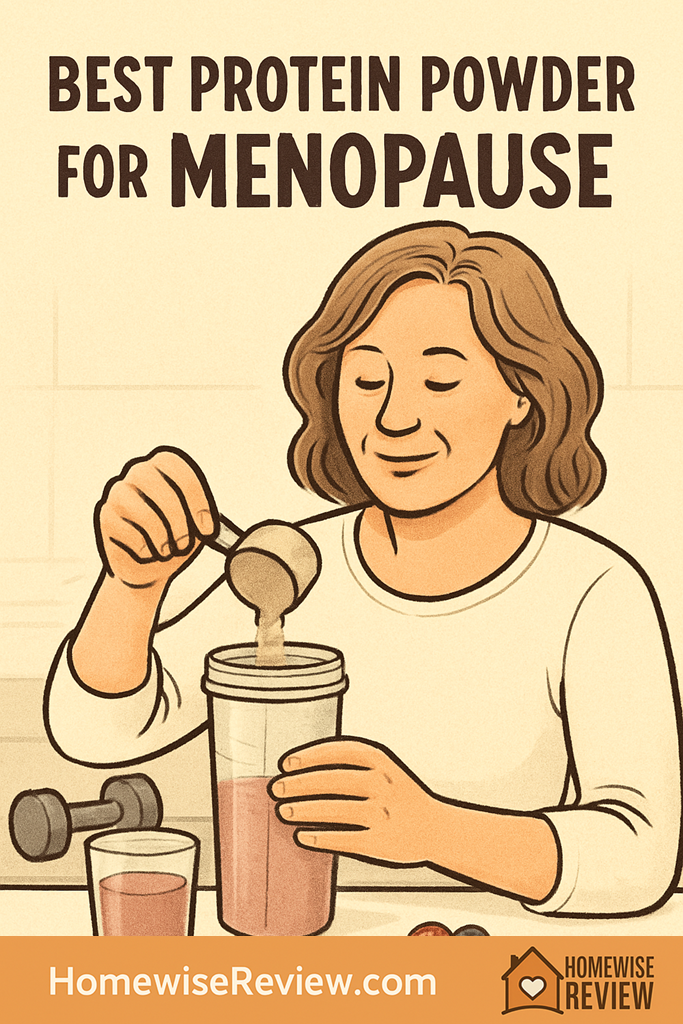
Menopause can make it harder to keep muscle, feel satisfied, and recover from workouts. The right protein powder makes hitting your daily target easier without upsetting your stomach or loading you up with sugar.
✨ 2026 Spotlight
2026 Spotlight: This year, more shoppers in menopause are paying closer attention to protein powders that pair solid leucine content with gentler digestion and simpler ingredient lists. Alongside staples like Isopure Zero Carb Whey Protein Isolate and Garden of Life SPORT Organic Plant-Based Protein, collagen add-ins such as Vital Proteins Collagen Peptides (Unflavored) are still getting extra notice for easy mixing into coffee, smoothies, and higher-protein breakfasts. For anyone refreshing their routine in 2026, the biggest shift is toward powders that make it easier to spread protein evenly through the day without excess sugar or a heavy texture.
In-depth Reviews
Isopure Zero Carb Whey Protein Isolate
- Light, easy-to-drink texture that doesn’t feel filling
- Generally gentle for people who struggle with regular whey concentrates
- Works well for quick post-workout shakes or coffee-style mixes
- Flavor profile can taste noticeably “sweetener-forward” to some people
- Less ideal if you prefer a thick, creamy smoothie texture
Garden of Life SPORT Organic Plant-Based Protein
- Thick, filling shake that works well in smoothies
- Good option for dairy-free and whey-sensitive digestion
- Pairs nicely with fruit and cocoa for better flavor
- Can taste a bit earthy in plain water
- Texture may feel too dense if you prefer a light shake
Orgain Organic Protein + Superfoods Powder
- Approachable flavor that’s easy to stick with long term
- Versatile in smoothies, oats, and yogurt-style bowls
- Good balance of taste and convenience for daily use
- Not as “light” as isolate-style powders
- Some people don’t love the aftertaste of natural sweeteners
Vital Proteins Collagen Peptides (Unflavored)
- Dissolves easily in hot or cold drinks
- Very simple to use daily without blender-level effort
- Works well as an add-on to boost total protein intake
- Not a complete protein, so it shouldn’t be your main powder
- Can taste slightly savory in plain water
KOS Organic Plant Protein Powder
- More enjoyable flavor than many vegan powders
- Creamy smoothie texture with common add-ins
- Mixes well without needing a high-powered blender
- Can be too sweet for people who prefer subtle flavors
- Not the best fit for savory or low-flavor mixes
Buying Guide
Menopause Protein Playbook: Make It Work Without Feeling Stuffed
Spread protein across the day. Instead of chasing one huge protein shake, aim for a protein “anchor” at breakfast, lunch, and dinner. Many people feel better (and more energized in workouts) when they stop relying on a low-protein morning and a big catch-up later.
Build a shake that behaves like a meal, not a sugar hit. Start with protein powder, then add fiber and healthy fat for staying power: frozen berries plus chia, or spinach plus peanut butter, or plain Greek yogurt (if tolerated). If you’re dealing with constipation, prioritize hydration and add a little soluble fiber rather than stacking tons of sweeteners and gums.
Use “micro doses” to hit your target. Half a scoop in coffee, oatmeal, or pancake batter can move your total up without the psychological weight of another full shake. This is especially helpful on lower-appetite days, or when hot flashes and sleep disruption make big meals unappealing.
💡 Editor’s Final Thoughts
Final verdict: Isopure Zero Carb Whey Protein Isolate is the top pick because it delivers a high-protein serving with a light texture that’s easy to drink daily, especially when you’re prioritizing strength and recovery. If dairy does not agree with you, Garden of Life SPORT Plant-Based Protein is the most dependable switch for a similarly “workout-ready” feel.
See also
If menopause has your skin feeling drier, start with our best body lotions for crepey skin and, for richer overnight moisture, our guide to body creams for aging skin.
- Best cleansers for mature skin over 50 for a comfortable, non-stripped cleanse
- The best face masks for mature skin when you want a quick glow boost
- Best highlighter for mature skin for a luminous, not glittery, finish
Frequently Asked Questions ▾
How much protein do you need during menopause?
Many midlife adults do well around 25 to 35 grams of protein per meal, with a daily total that often lands in the 80 to 120 gram range depending on body size, activity level, and goals. If you lift weights, walk a lot, or are actively trying to preserve muscle, you may benefit from the higher end. If you have kidney disease or other medical concerns, ask your clinician for a personalized target.
Is whey protein okay during menopause?
For most people, yes. Whey is rich in essential amino acids and tends to support muscle recovery especially well, which matters as muscle becomes easier to lose with age. If dairy causes bloating, reflux, or congestion for you, try a whey isolate (typically lower in lactose) or switch to a high-quality plant blend.
Is collagen a good protein powder for menopause?
Collagen can be a helpful add-on if you like it for hair, skin, nails, or joint comfort, but it is not a complete protein. Treat it as a supplement rather than your main protein source. If you use collagen in coffee or tea, aim to get the bulk of your daily protein from complete sources like whey, soy, pea and rice blends, eggs, Greek yogurt, poultry, fish, tofu, or tempeh.
What should you avoid in a protein powder during menopause?
If you are sensitive to blood sugar swings or sleep disruption, be cautious with high added sugar and large doses of caffeine or “energy” blends. If your digestion is touchy, watch for sugar alcohols and heavy gum blends that leave you bloated. Also consider flavor intensity: overly sweet powders are harder to use daily and can push you toward bigger portions than you planned.
When is the best time to take protein powder?
Consistency matters more than timing. A morning smoothie can prevent a low-protein start to the day, while a post-workout shake can make recovery easier when you do not feel like cooking. If nighttime hunger or cravings hit, a protein-forward snack later in the day can help you feel satisfied without turning it into a full extra meal.
As an Amazon Associate, we earn from qualifying purchases made through links on our site.