

Delivers 20–30g per serving with minimal sugar or fillers, easy on digestion so you can meet protein targets consistently.
We may earn a small referral fee
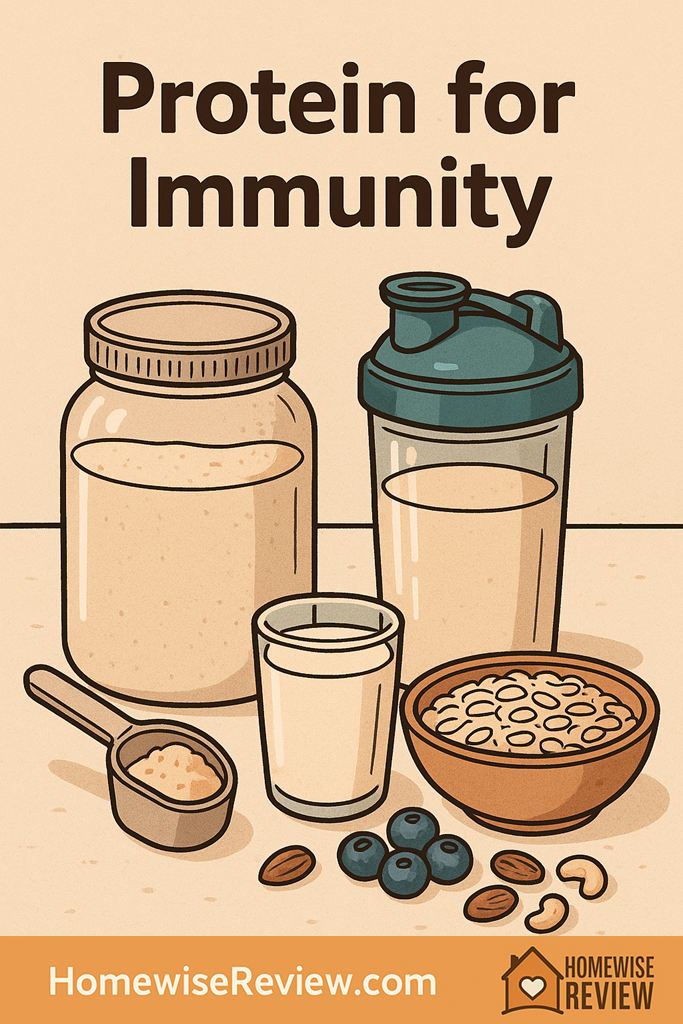
If you want a protein powder that supports immunity, the smartest move is choosing one that helps you meet your protein needs consistently without upsetting your stomach. The label matters more than the marketing.
If you are searching for the best protein powder for immunity, the first thing to know is that no powder flips an immune boost switch. What it can do is help you meet your protein needs, which gives your body the amino acids it uses to build antibodies, repair tissue, and support immune cells.
That means the best choice is not the one with the flashiest wellness claims. It is the powder you can digest well, use regularly, and fit into real life on rushed mornings, after workouts, or on days when your appetite is low.
What immune-supporting protein powder really means
Protein is foundational for recovery and immune function. If you regularly come up short, your body has fewer raw materials for making antibodies, maintaining muscle, healing tissue, and supporting the constant turnover of immune cells.
Protein first, extras second
Look for enough protein per serving to matter. For most adults, 20 to 30 grams per serving is a practical target. If you are older, active, recovering from illness, or eating lightly, that range makes it easier to reach your daily total without forcing a huge meal.
Consistency beats trendy add-ins
A simple whey isolate or plant blend that sits well in your stomach will usually do more than a complicated formula loaded with greens, mushrooms, and vague wellness blends. If you will not drink it consistently, it is not the best protein powder for immunity, no matter how polished the label looks.
Which type of protein powder is best for immunity?
The best type depends on digestion, allergies, dietary pattern, and budget. Here is a practical side-by-side comparison.
| Protein type | Why it can help | Best for | Watch out for |
|---|---|---|---|
| Whey isolate | Complete protein, high in leucine, usually low in lactose, easy to use after workouts or when appetite is low | Most adults who tolerate dairy and want a high-protein, low-filler option | Still dairy-based, often costs more than concentrate |
| Whey concentrate | Complete protein, often more affordable, still effective for meeting daily intake | Budget-conscious shoppers who tolerate dairy well | Usually contains more lactose and can feel heavier for sensitive stomachs |
| Soy isolate | Complete plant protein with a solid amino acid profile | Dairy-free eaters who want a single-source plant protein | Flavor can be more distinct, and some people prefer blended plant formulas |
| Pea and rice blend | Creates a more complete amino acid profile than pea alone, dairy-free and widely available | Vegan or dairy-sensitive shoppers | Texture can be chalkier if the formula is not well made |
| Egg white protein | Complete protein and dairy-free | People who avoid dairy but want an animal-based option | Can be foamy and more expensive |
| Collagen | May fit skin or joint goals | Secondary add-on, not primary daily protein | Not a complete protein, so it is not the strongest choice for immune support |
For many people, whey isolate is the easiest starting point if dairy works well. If you need dairy-free, soy isolate or a pea-and-rice blend is usually the most practical alternative.
What to look for on the label
1. At least 20 grams of protein per serving
A powder with 10 or 12 grams per serving can still be useful, but it often acts more like a snack add-on than a real protein anchor. If your goal is immune support, one serving should make a noticeable contribution to your daily intake.
2. A complete protein or a smart blend
Whey, casein, soy, egg, and milk protein are complete proteins. Plant powders can work very well too, especially when they combine sources like pea and rice. Collagen is the exception here. It is not complete, so it should not be your main protein powder if you are shopping with immunity in mind.
3. Low added sugar
Plenty of powders taste like dessert because they rely on extra sugar or very sweet flavor systems. A good everyday target is 0 to 5 grams of added sugar per serving. If you want more calories, it is usually better to add fruit, oats, yogurt, or milk yourself.
4. A formula you digest comfortably
The best label on paper means very little if the powder leaves you bloated, gassy, or nauseated. Common troublemakers include lactose, sugar alcohols, large amounts of added fiber, gums, and very strong artificial sweeteners. If your stomach is sensitive, start simple and unflavored or lightly flavored.
5. Clear quality standards
Protein powders live in the supplement world, so quality can vary. Brands that openly mention third-party testing or purity screening earn a second look, especially if you use protein powder every day. It is one of the easiest ways to narrow the field when several tubs look similar.
Helpful extras, and when they actually matter
Some protein powders add vitamin D, zinc, selenium, probiotics, enzymes, or herbal blends. These ingredients can be nice to have, but only if the powder already gets the basics right.
Vitamin D, zinc, and selenium
These nutrients play real roles in immune function, but the amount in a powder is often modest. That means they are best treated as a bonus rather than the reason to buy. If a doctor has told you that you need one of these nutrients, a separate supplement or a food-based plan is usually more precise.
Probiotics and digestive enzymes
These can be helpful for some people, especially if digestion is your biggest hurdle. Still, the presence of probiotics on a label is not automatically meaningful. Strain, dose, storage, and shelf life all matter, and enzymes will not fully solve a formula that your body simply does not tolerate.
Mushrooms, greens, and immune blends
These are the most common marketing hooks in this category. They are not always useless, but they can distract from a mediocre powder with too little protein, too much sugar, or unclear dosing. When the front of the tub leads with an immune blend, flip it over and verify the protein amount first.
Red flags that make a powder a poor fit
- Very low protein per scoop: If a serving gives you more filler than protein, it is not doing much to help you reach a solid daily intake.
- Heavy sugar or candy-style flavoring: Fine for an occasional treat, less helpful for an everyday wellness routine.
- Proprietary blends: If the label hides how much of each extra ingredient you get, it is hard to judge value.
- Digestive fallout: Bloating and stomach upset make consistency harder, which makes the powder less useful.
- Collagen as the only protein source: Better saved for other goals, not your main immunity-focused protein.
How to choose based on your situation
If you want the simplest high-protein option
Pick whey isolate. It is complete, usually low in lactose, and often delivers 25 grams or more per scoop with a fairly clean ingredient list.
If dairy bothers you
Pick soy isolate or a pea-and-rice blend. Both are practical, easy to find, and easy to work into smoothies, oatmeal, or a quick shaker bottle routine.
If you are recovering from illness or hard training
Choose a flavor you can drink easily when appetite is low. Neutral, vanilla, or lightly sweetened options are often easier than very rich dessert flavors. Mixing with milk or fortified nondairy milk can add protein and calories without much extra effort.
If budget matters
Compare the cost per 20 grams of protein, not just the sticker price of the tub. A cheaper powder with smaller servings or lots of filler may not save money in the long run.
If your stomach is sensitive
Start with a short ingredient list. Skip sugar alcohols and fiber-heavy gut health formulas until you know what you tolerate well.
Quick label checklist
- 20 to 30 grams of protein per serving
- Complete protein or a well-designed plant blend
- 0 to 5 grams of added sugar for everyday use
- No ingredient that routinely upsets your stomach
- Clear testing or quality language from the brand
- A flavor and texture you will actually use more than once
How to use protein powder to support immunity
Protein powder works best when it fills real gaps. It is especially helpful if breakfast is light, you tend to under-eat after workouts, or your appetite drops when you are stressed or recovering.
- Anchor breakfast: Blend one scoop with milk, frozen berries, and oats for a quick meal that gives you protein, carbs, and micronutrients.
- Use it after activity: A shake within a few hours of exercise is an easy way to support recovery, especially if you are not ready for a full meal.
- Keep one simple backup option: A shaker bottle, water or milk, and a reliable flavor can save you from skipping protein on busy days.
- Pair it with whole foods: Powder is a helper, not a replacement for meals built around foods like eggs, yogurt, beans, fish, fruit, vegetables, and grains.
As a general baseline, adults need at least 0.8 grams of protein per kilogram of body weight per day, and many people benefit from more when they are older, active, healing, or trying to preserve muscle. If you have kidney disease, a medically prescribed diet, or major digestive issues, it is wise to get personalized guidance before using protein powder daily.
What Most Reviews Miss
The real issue is not mushrooms or immunity claims. If the powder upsets your stomach, tastes bad, or is stuffed with fillers, you will stop using it, and the extra add-ins will not matter. For most buyers, a basic whey isolate or plant protein with 20 to 30 grams of protein and low sugar is the safer pick because it is easier to use every day.
💡 Editor’s Final Thoughts
The best protein powder for immunity is the one that helps you consistently meet your protein needs with a complete protein source, a comfortable ingredient list, and little unnecessary sugar. For most people, that means whey isolate if dairy works for you, or soy isolate or a pea-and-rice blend if it does not.
Ignore the loudest marketing and focus on the basics. Adequate protein, good digestion, and regular use matter more than a long list of trendy extras.
See also
For everyday routine ideas, see tiny lifestyle upgrades. These ideas do not establish an immune-system benefit.
- Home scent diffusers that can help create a calmer, more restful evening routine
- Car-cleaning products that make it easier to reduce germs on the go
- Our road trip essentials roundup for staying prepared while traveling
Frequently Asked Questions ▾
Can protein powder really boost immunity?
Not directly in the way marketing sometimes suggests. Protein powder supports immunity by helping you meet protein needs, and protein supplies the amino acids your body uses for antibodies, tissue repair, and immune cell function.
Is whey or plant protein better for immunity?
Neither is automatically better for everyone. Whey isolate is convenient and complete, while soy isolate and pea-and-rice blends are strong dairy-free choices. The best option is the one that gives you enough protein and feels good in your body.
Are powders with vitamin D, zinc, or mushrooms worth it?
Sometimes, but only as a bonus. If the protein amount is low or the formula bothers your stomach, the extras do not make up for it. Start with a solid protein base before paying extra for add-ins.
Is collagen a good protein powder for immunity?
Collagen can fit beauty, joint, or skin goals, but it is not a complete protein. If immune support is your main reason for buying a powder, collagen is better as a secondary supplement than as your primary protein source.
Who should check with a clinician before using protein powder daily?
If you have kidney disease, major digestive issues, food allergies, or a medically prescribed diet, it is smart to ask first. The same goes if you are trying to use protein powder in place of meals because of illness, poor appetite, or unintentional weight loss.
As an Amazon Associate, we earn from qualifying purchases made through links on our site.