

Delivers consistent, swirl-free sanding with minimal vibration for long sessions and pairs well with high-quality dust extraction.
We may earn a small referral fee
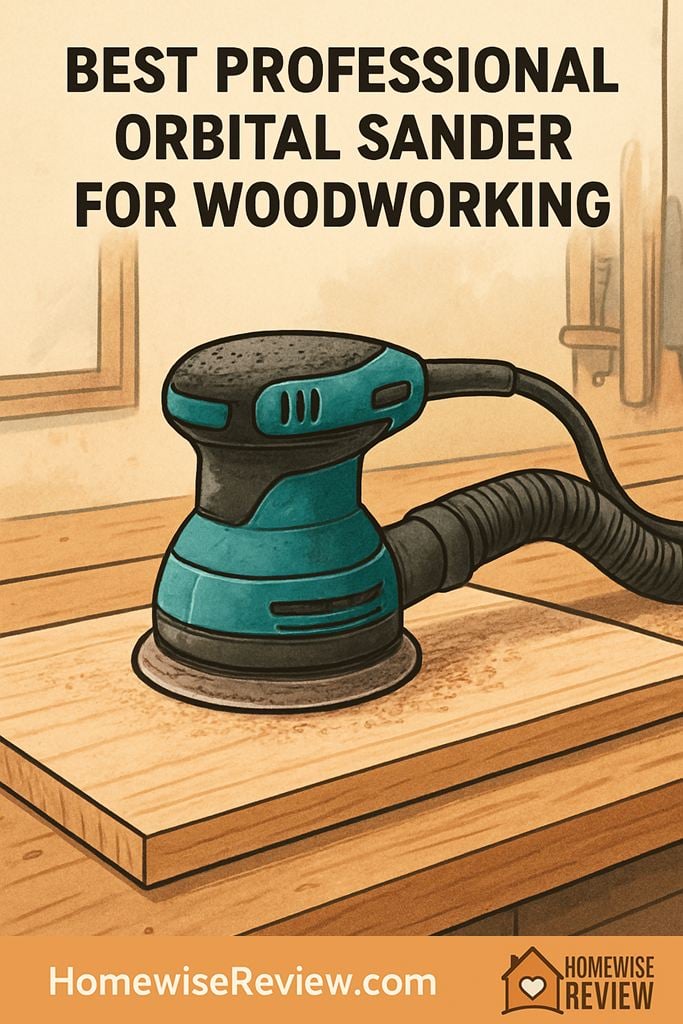
I can hand-sand a board all day and convince myself it is smooth, then a coat of finish hits and every little swirl shows up like a spotlight. The first time I used a low-vibration random orbital sander with solid dust extraction, I realized how much of my “technique problem” was really a tool control problem. Now I pay attention to how steady the sander feels on big panels and how clean it runs, because my hands and my final finish both notice.
In-depth Reviews
Mirka DEROS 650CV 6 in Electric Random Orbital Sander
- Exceptionally low vibration during long sanding sessions
- Very consistent scratch pattern for finish-ready prep
- Plays nicely with serious dust extraction setups
- Premium price compared with typical shop sanders
- Works best when paired with a vacuum and quality discs
Festool ETS EC 150/5 EQ-Plus Random Orbit Sander
- Smooth, controlled handling on edges and face frames
- Excellent final-sanding results with minimal rework
- Strong dust control when vacuum-connected
- Costs more than many entire starter tool kits
- Not the fastest choice for heavy material removal
Bosch GET75-6N Dual-Mode Random Orbit Sander
- Aggressive mode removes material quickly and confidently
- More versatile than a standard random orbit sander
- Stable on large panels and glued-up tops
- Heavier and more tiring for overhead or vertical work
- Less nimble on small parts and tight profiles
Makita BO5041K 5 in Random Orbit Sander Kit
- Balanced control for rails, stiles, and smaller panels
- Reliable performance for the price
- Easy to live with for general shop sanding
- Dust collection is noticeably better with a vacuum than the included bag
- Not as low-vibration as premium professional models
DEWALT DWE6423K 5 in Variable Speed Random Orbit Sander Kit
- Light and easy to maneuver on smaller parts
- Consistent results with quality abrasives
- Simple, no-fuss tool that is easy to maintain
- More vibration than higher-end professional sanders
- Dust management improves a lot with a vacuum upgrade
Buying Guide
Pro Tips: Cleaner Sanding, Fewer Swirls, and Discs That Last Longer
Match the disc to the job. For fast leveling (glue lines, mill marks, filler), start with a quality abrasive that clears dust well, then step up gradually. Mesh abrasives can be a game-changer with a good extractor because they keep cutting instead of glazing over. Film-backed discs often leave a very consistent scratch pattern for final sanding, especially on hardwoods.
Let the sander float. Most swirl marks show up when we push too hard, tip the tool to chase an edge, or keep sanding after the disc is dull. Keep the pad flat, use slow overlapping passes, and pause occasionally to brush or vacuum the surface so stray grit does not get trapped under the pad. A quick pencil scribble on the work is a simple way to see if you are sanding evenly without overdoing it.
Dust extraction is about surface quality, not just cleanliness. When dust stays under the pad, it clogs the abrasive and can create tiny trails that only appear after stain or topcoat. If you use a shop vacuum, add a good filter and empty it before it is packed full. Also check your pad condition regularly: a worn hook-and-loop face or damaged edge can cause discs to wobble, lift at the perimeter, and leave mysterious scratches that are hard to diagnose.
💡 Editor’s Final Thoughts
Final Verdict: If you want one professional orbital sander that can handle daily woodworking without beating up your hands, the Mirka DEROS 650CV is the top pick for its low vibration feel and consistently clean sanding results. If you regularly flatten big glue-ups or remove heavy mill marks, the Bosch GET75-6N is the most capable step-up for faster stock removal.
See also
If you like printing full-size templates and sanding patterns, start with the best home printers for printing plans and templates, and consider home security cameras for shops and garages if your tools live outside the main house.
- Home mold test kits for garages and workshops
- Under-sink storage solutions for a tidier cleanup station
- Garden tools that pull their weight for weekend projects
Frequently Asked Questions ▾
Is a 6-inch random orbital sander worth it for woodworking?
For most serious shop work, yes. A larger pad sands faster and stays flatter across wide panels, so you spend less time chasing low spots. It also tends to pair better with dust extraction because there is more surface area and often better airflow through the pad. The trade-off is that it can feel bulkier on narrow rails, chair parts, and inside corners.
How do I avoid swirl marks with a professional orbital sander?
Swirls usually come from three things: skipping grits, sanding with a clogged disc, or letting dust build between the disc and the surface. Use quality mesh or film-backed discs, change them as soon as they stop cutting cleanly, and keep steady, overlapping passes without tipping the sander. Light pressure works better than leaning in, especially on the last grit before finish.
Do I really need dust extraction, or is a dust bag enough?
A dust bag is fine for quick touch-ups, but it is not the same as a proper extractor in daily woodworking. Good extraction keeps the disc cutting longer, reduces pigtails caused by trapped grit, and protects your lungs. If you are doing cabinet doors, tabletops, or anything indoors, a sander that seals well to a vacuum hose is a meaningful upgrade.
What grit sequence should I use for furniture and cabinets?
Start with the coarsest grit that fixes the problem, then move up in sensible steps so each grit removes the scratches from the previous one. For raw lumber that is already fairly flat, a common approach is to begin around a medium grit, then work up through a fine grit before finish. For veneer, plywood, or softwoods, be conservative and avoid starting too coarse, since it is easy to sand through edges and corners.
Should I choose a gear-driven dual-mode sander instead of a standard random orbit?
Dual-mode sanders are fantastic when you need one tool to do both aggressive flattening and normal finish sanding. They remove material fast on tabletops and glue-ups, but they are heavier and require a little more attention to control. If most of your sanding is between coats or final prep on furniture parts, a dedicated finish-oriented random orbit is usually the calmer, cleaner choice.
As an Amazon Associate, we earn from qualifying purchases made through links on our site.