

Delivers powerful, controlled airflow for quicker dries, sleeker cuticles, and less frizz—without overheating hair.
We may earn a small referral fee
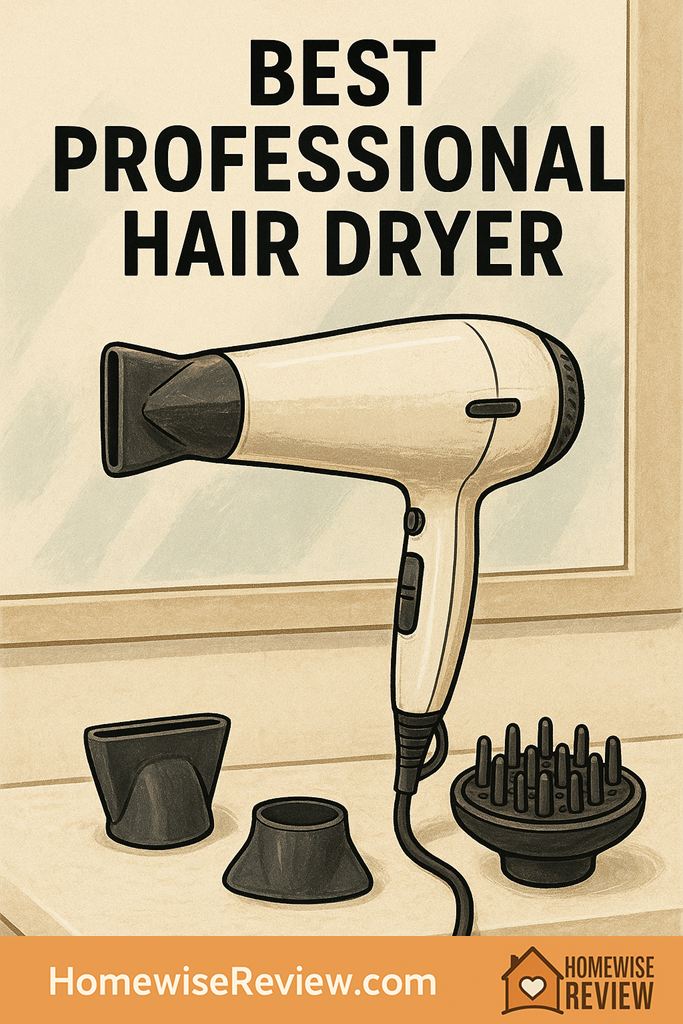
You want a dryer that cuts dry time, smooths frizz, and doesn’t leave your hair feeling cooked. These pro-level picks bring salon power and control home, with the right trade-offs for your hair type and routine.
In-depth Reviews
Dyson Supersonic Hair Dryer
- Fast drying with controlled airflow that’s easy to style with
- Smoother finish with less frizz for many hair types
- Attachments feel secure and purposeful for different looks
- Premium price
- Can take a little practice to get the most from the attachments
Parlux Alyon Ionic Hair Dryer
- Strong airflow that noticeably cuts dry time
- Reliable performance for long, multi-step styling sessions
- Smooth results with a concentrator and brush work
- Sound level is more “salon” than “spa”
- Not the smallest option to store
ghd Helios Professional Hair Dryer
- Controlled airflow makes smoothing and shaping easier
- Consistent heat helps create an even finish
- Great for brush work and blowout styling
- Limited included attachments compared with some sets
- Not the cheapest option
BaBylissPRO Nano Titanium Portofino 6600 Full-Size Dryer
- Strong drying performance for the price
- Good range of heat and airflow for different styling steps
- Solid choice for thick hair and long dry times
- Heavier feel than some premium models
- Can be loud at higher settings
Harry Josh Pro Tools Ultra Light Pro Dryer
- Easier to hold and maneuver for longer styling sessions
- Efficient airflow without feeling overly harsh
- Smooth results with controlled styling
- Price can be high depending on the set
- Not as “max power” feeling as some heavier salon dryers
Buying Guide
What Most People Miss: The Fast-Dry Routine That Protects Your Ends
Dry time starts in the towel. Before you turn on a dryer, squeeze water out in sections and blot with a microfiber towel or soft tee. Rubbing roughs up the cuticle, which can make frizz worse and forces you to use more heat to “fix” it later.
Rough-dry first, then style. Get your hair to mostly dry with your fingers and a concentrator pointed down the hair shaft. Once it’s mostly dry, switch to your brush work for shaping. This simple order usually gives you a smoother finish with less time hovering over your ends.
Keep the dryer working like new. A clogged filter can reduce airflow and quietly increase how much heat you need. Make it a habit to check the filter area regularly, especially if you use hairspray, dry shampoo, or styling creams that can build up over time.
💡 Editor’s Final Thoughts
Final Verdict: The Dyson Supersonic is our top pick because it delivers fast dry times with excellent control and a noticeably smoother finish, without feeling harsh. If you want a more traditional salon workhorse that is built for long sessions, the Parlux Alyon is the one to beat.
See also
If you are torn between ceramic, ionic, and titanium options, start with our guide to ceramic hair dryers and bookmark the Stretch and Style hub for heat and protection basics.
- Best hair dryers for short hair for quick styling without over-drying
- Best travel hair dryers when you need power in a smaller footprint
- Shark SpeedStyle Pro Flex review if you want an auto-styling focused alternative
Frequently Asked Questions ▾
What makes a hair dryer “professional”?
A professional hair dryer is built for consistent performance and control: strong airflow that dries quickly, stable heat that does not spike unpredictably, and components designed to handle frequent use. You will also typically get a longer cord, better nozzle fit (so attachments do not wiggle), and easier maintenance like a removable filter. The best pro dryers feel efficient and controlled, not simply hot.
Is higher wattage always better?
Not always. Wattage is only one piece of the puzzle, and it varies by motor design and how efficiently a dryer turns power into airflow. In real life, airflow shape (nozzle design), heat consistency, and how well the dryer maintains performance over time matter just as much. If your hair is fine or fragile, a dryer with excellent airflow at moderate heat can be a better choice than chasing maximum wattage.
How do I reduce heat damage when using a pro dryer?
Start with less water in the hair, not more heat. Gently squeeze and blot with a microfiber towel, detangle, apply heat protectant, then rough-dry on a medium setting until hair is mostly dry before you ever reach for a brush. Keep the nozzle aimed down the hair shaft, keep the dryer moving, and use the cool shot at the end to set the shape and add shine.
Do ionic, ceramic, or titanium features actually matter?
They can, but they are not magic. Ionic tech can help reduce frizz and boost shine for many people, especially in humid climates, but some fine hair types prefer less ionization for volume. Ceramic tends to support more even, gentle heat distribution. Titanium often heats quickly and can feel more intense, which is great for thick, coarse hair but can be overkill for damaged strands. If you are unsure, prioritize controllable heat, strong airflow, and the right attachments first.
As an Amazon Associate, we earn from qualifying purchases made through links on our site.