

Soft balm blurs pores and fine lines while adding lightweight nourishment so foundation glides without settling into creases.
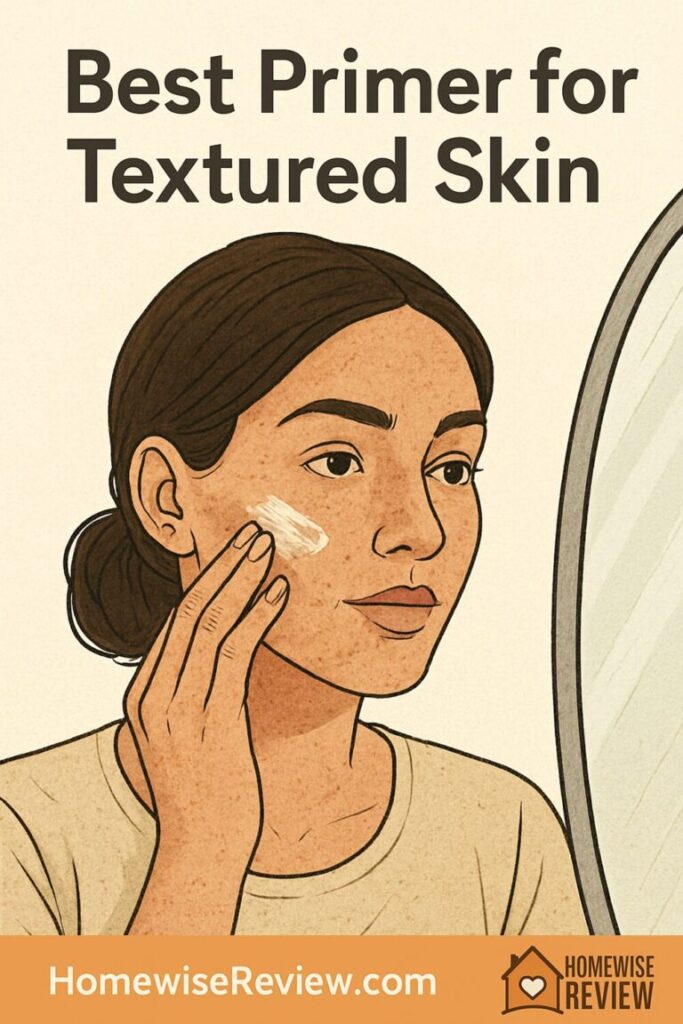
If pores, bumps, or rough patches keep showing through your foundation, the right primer can finally give you a smoother, softer-looking canvas. These textured-skin friendly formulas focus on blurring, grip, and comfort so makeup goes on easier and wears better.
Pores that swallow foundation, acne scars that catch light, flaky patches that grab onto pigment. Textured skin makes makeup application stressful, especially when you need it to look good all day. The right primer will not erase texture, but it can soften edges, blur problem areas, and help your base glide on without clinging or settling.
This guide focuses on primers that play nicely with real, lived-in skin: enlarged pores, fine lines, mild acne scarring, and dry or bumpy areas. You will find smoothing picks for different skin types and budgets, along with clear guidance on how to choose and apply them so you get the most believable, soft-focus finish possible.
Quick picks
- Tatcha The Silk Canvas Protective Primer: Best overall for textured skin. A silky balm that melts into a thin, smoothing veil, great for softening pores, fine lines, and mild acne scars without feeling heavy.
- e.l.f. Poreless Putty Primer: Best budget option for visible pores. A creamy, silicone-rich putty that fills and blurs pores and uneven patches at a fraction of the price of prestige formulas.
- Smashbox Photo Finish Smooth & Blur Primer: Best for oily or combination textured skin. A classic gel-silicone primer that mattifies shine and smooths uneven texture so foundation lasts through long days or events.
- Rare Beauty Pore Diffusing Primer: Best lightweight everyday primer. A breathable gel-cream that gently blurs and controls shine without a thick, slippery feel, ideal if you want smoothing that still looks like skin.
In-depth reviews
Tatcha The Silk Canvas Protective Primer review
Best for: Normal to dry or combination textured skin that needs smoothing without tightness or cakiness.
Tatcha The Silk Canvas is a solid balm that softens on contact, then spreads into a thin, silky layer over the skin. It uses silk powders and a mix of plant oils and squalane to blur pores and fine lines while adding a subtle cushioned feel. If your texture is a mix of enlarged pores around the nose and mouth plus some dryness or fine lines, this formula walks a nice line between smoothing and nourishing.
The finish is soft matte rather than flat, so skin looks blurred but not dull. It helps foundation glide over mild acne scars and bumpy areas instead of catching on edges, which can make texture look worse. It is also good at preventing heavier foundations from settling into smile lines or the creases around the nose.
Compared with e.l.f. Poreless Putty Primer, Tatcha feels thinner and more refined, with less of that dense, “filled in” sensation. It also tends to play better with drier or more mature skin since it contains more conditioning ingredients. The main drawback is cost, and if you are very oily or live in a hot climate, you may prefer the stronger oil-control of Smashbox Photo Finish instead.
e.l.f. Poreless Putty Primer review
Best for: Large pores and uneven patches on a budget, especially on normal to combination skin.
e.l.f. Poreless Putty Primer is a fan favorite because it delivers classic pore-filling performance at a drugstore price. The texture is a creamy putty that you scoop out with a fingertip, then press and smooth into areas with visible pores, shallow acne scarring, or little bumps. It sets down to a soft matte finish that noticeably blurs the look of pores and smooths over mild roughness.
If your foundation tends to sink into pores around your nose or highlight orange-peel texture on your cheeks, this primer can make a real visual difference. A small amount is plenty; too much can lead to pilling or a heavy, coated feel. It is slightly less forgiving on very dry patches, so consider pairing it with a hydrating moisturizer or concentrating it only on your T-zone.
Compared with Tatcha The Silk Canvas, e.l.f. feels thicker and a bit more obvious on the skin, but the level of smoothing and blurring is surprisingly close once makeup is applied. It does not have the skincare elegance or luxe texture of Tatcha, and on very oily skin its oil control is weaker than Smashbox Photo Finish. For the price, though, it is an excellent entry point if you are just starting to experiment with primers for textured skin.
Smashbox Photo Finish Smooth & Blur Primer review
Best for: Oily or combination textured skin that needs strong smoothing and longer wear from foundation.
Smashbox Photo Finish Smooth & Blur is a clear gel primer built around silicones that create a silky, slip feel on the skin. It excels at giving a soft-focus, airbrushed look to pores and fine lines, while also slightly mattifying to keep shine in check. If your main complaint is that your makeup breaks down around your nose, forehead, or chin and emphasizes every bump as it fades, this primer can help keep everything smoother for longer.
The lightweight texture spreads easily in a thin layer, so you only need a pea-sized amount for the whole face. Once set, it leaves skin feeling velvety and slightly matte, which pairs very well with long-wear liquid or cream foundations. Because it has a more traditional silicone slip, it is especially good at helping foundation glide over pitted acne scars or bumpy areas rather than settling into them.
Compared with e.l.f. Poreless Putty Primer, Smashbox feels lighter and less thick, with better oil control and longer wear. It is not as hydrating or cushioned as Tatcha, so if you are dry or textured due to dehydration, you might want a richer base underneath or a more moisturizing primer instead. Some very sensitive or acne-prone users find heavy silicones can be an issue, so patch testing on a small area is a smart first step.
Rare Beauty Pore Diffusing Primer review
Best for: Normal to combination textured skin that wants subtle blurring and a natural finish for everyday wear.
Rare Beauty Pore Diffusing Primer is a gel-cream that feels lighter and more hydrating than classic silicone primers, while still offering good blurring. It uses a mix of silicones and mattifying powders in a breathable, cushiony base that smooths over pores and mild texture without a thick mask-like layer. If you dislike the slippery feel some primers have, this one will likely feel more like a weightless moisturizer.
The finish is natural soft matte, never chalky, and it works especially well under medium coverage foundations or skin tints. It helps reduce the look of pores and small bumps on the cheeks and nose while toning down shine in the T-zone. Because it is not extremely mattifying, very oily skin may need a separate oil-control product or powder, but for most normal to combination skin it strikes a comfortable balance.
Compared with Smashbox Photo Finish, Rare Beauty feels more flexible and hydrating but offers slightly less oil control and “photo studio” smoothing. Against Tatcha, it is lighter and more casual, better suited to everyday makeup where you want your real skin to peek through. If you are new to primers or sensitive to heavy textures, this is an excellent first choice.
How to choose a primer for textured skin
Textured skin is not one single issue, so the best primer for you depends on what your texture actually looks and feels like. Start by standing in natural light and taking a close look at your bare skin after cleansing and moisturizing. Do you mainly see craters or pits, raised bumps, flakiness, or pores that look like dots under your makeup?
- Large pores and shallow acne scars: Look for silicone-based primers with a soft matte finish, such as e.l.f. Poreless Putty Primer or Smashbox Photo Finish. They create a physical smoothing layer over dips and tiny divots.
- Dry patches and fine lines: Choose a hydrating, cushiony primer like Tatcha The Silk Canvas or a similar silk- or squalane-based formula. These fill in texture gently while adding comfort and flexibility so makeup does not crack.
- Bumps and active breakouts: Keep it light. A breathable, noncomedogenic option like Rare Beauty Pore Diffusing Primer is less likely to feel suffocating on irritated areas. Focus on gentle skincare and only prime areas that need smoothing.
- Very sensitive skin: Fewer fragrances and essential oils are generally better. Patch test new primers along the jawline for a few days before wearing them under full makeup.
Also think about your base products. Thick, full-coverage foundations often look worse on heavily textured skin, even with primer. You may get a more flattering result pairing a smoothing primer with a lighter, buildable foundation and only spot concealing the areas that truly need extra coverage.
Application tips for the smoothest result
Even the best primer cannot rescue skin that is dehydrated, flaky, or coated with heavy products underneath. Give your textured areas the gentlest possible prep: cleanse with a non-stripping cleanser, use a lightweight hydrating serum if you are dry, and apply a moisturizer that fully sinks in. Wait at least 5 to 10 minutes so skin feels dry to the touch before you start priming.
When it is time for primer, less is more. Use a pea-sized amount for your whole face, or a grain-of-rice amount for spot priming just your problem areas. Press or tap primer into pores and textured spots with your fingertips rather than rubbing it around, which can lift up skin flakes or disturb your skincare underneath. For putty or balm textures like Tatcha or e.l.f., warming the product slightly between your fingers helps it spread thin.
After applying primer, give it another minute to set before foundation. Then use a damp sponge or a soft buffing brush with light pressure to apply your base in thin layers. Avoid dragging or overworking foundation across the skin, which can push it into pores and lines. If you notice pilling, you may be using too much primer or pairing it with a moisturizer that does not play well with silicones; cutting the amount in half often solves the issue.
Final thoughts
Textured skin is normal skin, and makeup will never make it perfectly smooth. What the right primer can do is soften the way light hits pores, bumps, and dry patches so your base looks more even and wears more comfortably throughout the day.
If you are not sure where to start, Tatcha The Silk Canvas is a reliable all-rounder for mixed texture, while e.l.f. Poreless Putty Primer is a smart choice if you want affordable, targeted smoothing for pores. For oilier or long-wear needs, Smashbox Photo Finish brings strong blurring and staying power, and if you prefer a barely-there feel with gentle smoothing, Rare Beauty Pore Diffusing Primer fits easily into an everyday routine. Choose the texture that matches your skin type, apply a thin layer only where you need it, and let the rest of your real skin shine through.
See also
If your main concern is visible pores and fine lines, dig into our guide to the best blurring primers for large pores and fine lines and compare those picks with our favorites in the best primer for mature skin roundup.
- Find the right base for oily and dry areas with our best primer for combination skin guide.
- Step-by-step advice on prepping skin for events so makeup actually lasts.
- Avoid common makeup mistakes that ruin your primer results and emphasize texture.
FAQ
Is silicone primer bad for textured or acne-prone skin?
Silicone itself is not automatically bad for textured or acne-prone skin, and many of the best blurring primers use it to smooth over pores and scars. Problems usually come from heavy formulas that are not removed properly, or from other pore-clogging ingredients in the mix. If you are breakout-prone, look for noncomedogenic claims, keep your primer layer thin, and double cleanse at night to fully remove it.
Which primer is better for textured skin, matte or glowy?
For most textured skin, a soft matte or natural finish is the safest choice because strong glow can catch on bumps, pores, and scars and make them look more pronounced. If you are dry with fine lines or mild roughness, a subtle radiance primer can work as long as the shimmer is very fine and the formula also offers smoothing. Extremely dewy primers often look best used only on the high points of the face, not directly over areas with strong texture.
Can primer actually fill in acne scars?
Primers cannot physically fill in deeper acne scars, but they can visually soften their edges so they are less noticeable under makeup. Thick or putty-style primers can help shallow rolling or boxcar scars look smoother by leveling out the surface just enough for foundation to apply more evenly. For deeper scarring, combining a smoothing primer with targeted concealer and a less reflective foundation usually gives the most natural result.
How much primer should I use on textured skin?
Use less than you think: most people need only a pea-sized amount for the whole face, or even less if you are spot priming areas like the nose, cheeks, or forehead. Applying too much can cause pilling, a heavy feel, and can even emphasize texture because product sits on top of the skin in a thick layer. Start small, focus on your worst texture zones, and only add a bit more if you can still see product disappearing smoothly into the skin.
Why does my foundation still look cakey even with primer?
If your foundation looks cakey despite using primer, you may be pairing the wrong primer and foundation textures, applying too much of one or both, or skipping proper skin prep. For example, a very matte primer plus a very matte foundation can make textured areas look dry and heavy, especially on mature or dehydrated skin. Try hydrating and letting skincare fully absorb, using a thinner layer of primer, then applying a lighter foundation formula with a damp sponge in sheer layers, building coverage only where you really need it.
As an Amazon Associate, we earn from qualifying purchases made through links on our site.