

Precise pliers, easy-access blades, and reliable on-water performance—simple rinse-and-dry maintenance keeps it working trip after trip.
We may earn a small referral fee
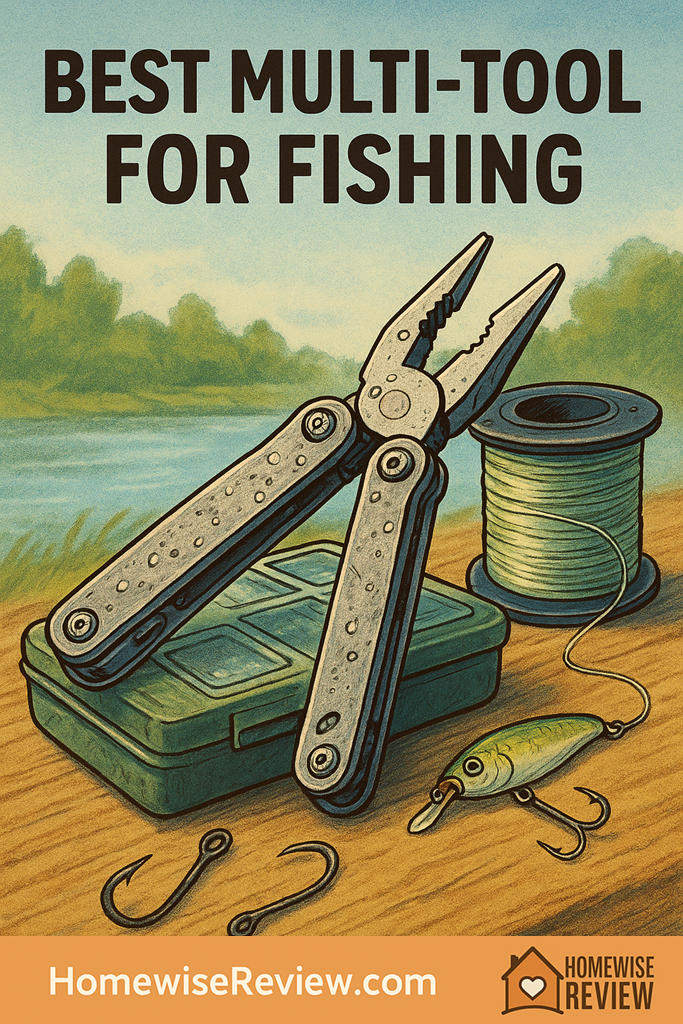
When a hook is buried, a split ring won’t budge, or your line needs a fast trim, the right multi-tool saves the day. These are the multi-tools that earn their spot in a tackle bag, not the junk drawer.
In-depth Reviews
Leatherman Wave+
- Precise pliers control for hooks, split rings, and small hardware
- Outside-access blades make quick cuts fast on the water
- Scissors are strong enough to be truly useful
- Not the lightest option for pocket carry all day
- Can feel stiff until it breaks in
Victorinox SwissTool Spirit X
- Very smooth tool action that stays controllable with wet hands
- Comfortable to grip during longer fixes and adjustments
- Strong, secure locking tools for real field work
- Less pocket-friendly than slimmer minimalist tools
- Typically costs more than midrange options
Leatherman Charge+ TTi
- High-end blade holds an edge through repeated cutting
- Excellent overall feel when torquing or twisting on repairs
- A true one-tool solution for fishing plus travel tasks
- Price is hard to justify if you only fish occasionally
- Premium materials still need basic rinsing and care around salt
Gerber Center-Drive Plus
- Driver setup is genuinely useful for reel and accessory tweaks
- Feels stable during turning and tightening tasks
- Good choice for anglers who tinker with rigs and gear
- Bulky and heavy compared with classic pocket multi-tools
- Not as refined in hand as premium stainless options
Gerber Suspension NXT
- Spring-loaded pliers help with repetitive hook and split-ring tasks
- Good value for a second tool in a spare bag
- Easy to carry with clip option
- Less precise feel on small, delicate tasks
- Fit and finish can vary more than premium brands
Buying Guide
Quick Care Guide: Keep Your Fishing Multi-Tool Smooth and Rust-Free
Do a 60-second rinse and reset after every trip. If you fish around sand, silt, or salt spray, open the tool and rinse it with fresh water as soon as you can. The goal is to flush grit out of pivots and locks before it turns into grinding paste. Shake out excess water, then wipe it down and leave the tool open for a bit so moisture does not get trapped inside the handles.
Lubricate lightly, then wipe until it feels almost dry. A tiny drop at the main pivot and any stiff joints goes a long way. Too much oil becomes a dirt magnet, especially in a tackle bag where line fuzz and grit love to cling. After working the tool open and closed a few times, wipe away the excess so it does not end up on your line, lures, or soft plastics.
Protect your edge and your cutters like they matter, because they do. Try not to use the knife blade as a pry bar and avoid cutting anything that feels crunchy or gritty (like sand-filled line or dirty zip ties). If your tool has replaceable cutters, consider that a real advantage for anglers because braid and wire can slowly chew up cutting edges. Finally, store the multi-tool dry, and if it lives in a sheath, check it periodically since a damp sheath can hold moisture against the metal longer than you think.
💡 Editor’s Final Thoughts
Final Verdict: The Leatherman Wave+ is the best multi-tool for fishing for most people because it balances strong, precise pliers with genuinely useful blades and scissors, without feeling like a brick in your pocket. If you fish hard in saltwater or demand top-tier fit and finish, step up to the Victorinox SwissTool Spirit X for a tool you will still enjoy using years from now.
See also
If your fishing trips double as family travel, you might also like our guide to Best toys for Dachshunds for keeping a travel buddy busy between casts.
- Foundations that wear well and cover melasma
- Top clay masks for clearing blackheads
- Shampoos that support thinning hair
- Concealers that do not cling to dry patches
Frequently Asked Questions ▾
What tools actually matter most on a fishing multi-tool?
Start with needle-nose pliers you can control precisely for hook removal, split rings, and small hardware. Next, prioritize cutters that handle your most common line (mono, fluoro, or braid), plus a sharp plain-edge blade for general tasks like cutting bait packaging and zip ties. Scissors are a bonus if you frequently trim leader tags or soft plastics.
Will a multi-tool cut braided line cleanly?
Some will, but not all. Braid is more about the geometry and sharpness of the cutting edge than brute force, so look for tools with well-aligned cutters and a solid pivot that does not flex under pressure. If you fish heavy braid often, replaceable cutter inserts are a big advantage because you can restore performance without replacing the whole tool.
Is it safe to use a multi-tool to remove a deeply hooked fish?
It can be, as long as you use the pliers with controlled pressure and keep the fish stable. For deep hooks, long needle-nose reach helps, but so does grip texture so the tool does not slip when wet. If you frequently deal with toothy species or deep sets, consider pairing a multi-tool with dedicated long forceps or a hook remover for better reach and less stress on the fish.
What is the best option for saltwater fishing?
Choose a tool with excellent stainless steel fit and finish, then commit to quick maintenance. After use, rinse with fresh water, open it up to flush pivots, dry thoroughly, and add a light protectant to the joints. Even high-quality tools can corrode if they live damp in a sheath, especially in a hot car or boat storage compartment.
Can I fly with a fishing multi-tool?
Not in carry-on luggage if it has blades, which most do. For air travel, pack it in checked baggage or choose a bladeless tool if you need something in your personal item (and still confirm current rules before you fly). A practical approach for travel anglers is keeping the multi-tool in a dedicated checked-tackle pouch so it does not end up accidentally left in a carry-on pocket.
As an Amazon Associate, we earn from qualifying purchases made through links on our site.