

Built tough and wipe-clean, with a wide top opening that lets you pack a clean-versus-dirty system fast and keeps gear ready for the road.
We may earn a small referral fee
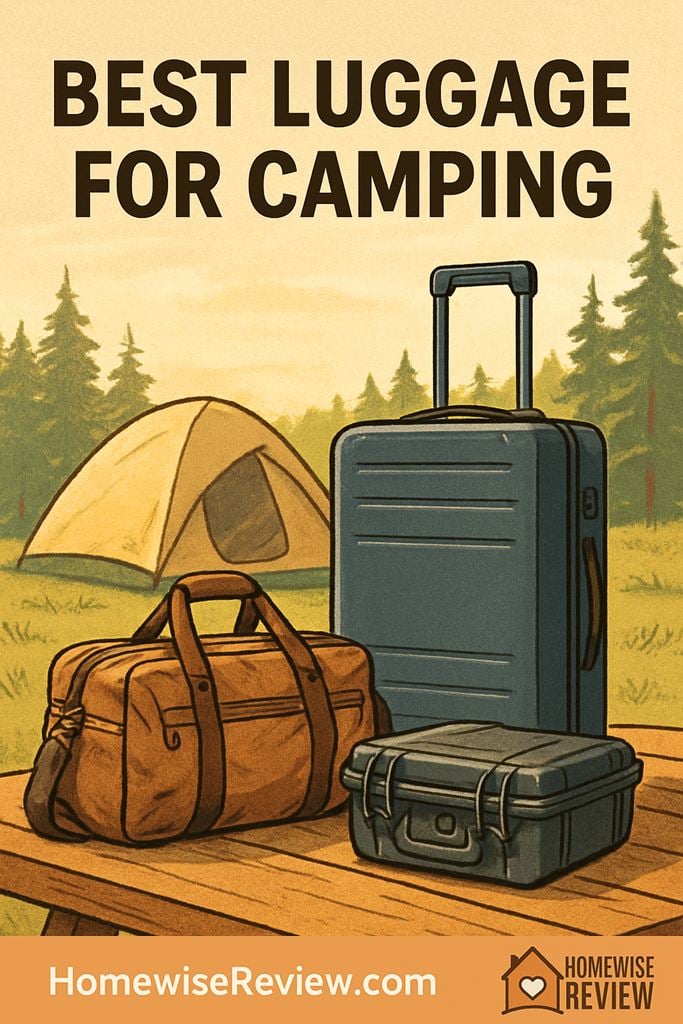
Nothing makes me feel more unprepared than rolling up to a campsite with a cute, flimsy bag that collapses into a sad heap the second I try to load it. I have done the frantic trunk Tetris with damp gear, dusty shoes, and a half-zipped zipper fighting me while everyone else is already unloading and relaxing. The relief is real when a duffel opens wide, wipes clean in two swipes, and lets me separate clean clothes from grimy stuff without repacking the whole bag.
In-depth Reviews
The North Face Base Camp Duffel
- Very tough fabric that stands up to gravel, tailgates, and campsite grit
- Wide opening makes packing and finding items faster
- Easy to wipe down after dusty or muddy trips
- Minimal internal organization unless you add pouches or cubes
- Backpack carry is fine for short distances, not a true hiking pack
REI Co-op Big Haul Duffel
- Strong, practical duffel that performs well for the price
- Lash points help secure pads, camp chairs, or odd-shaped items
- Coating cleans up easier than plain fabric
- Not as weather-sealed as a hard case or dry bag
- Fabric can show scuffs sooner than pricier expedition duffels
Patagonia Black Hole Duffel
- More packable than many heavy-duty duffels
- Exterior wipes down quickly after dirt-road travel
- Easy to load and unload thanks to a wide opening
- Interior can feel cavernous without packing cubes
- Backpack carry gets uncomfortable if you overload it
Eagle Creek ORV Trunk
- Rolls better than standard luggage on uneven ground
- Structured build keeps bulky gear contained and easier to manage
- Organization makes it simpler to separate clean and dirty items
- Takes up a lot of space even when empty
- Heavier than a soft duffel to lift into a trunk
Pelican Air 1535 Carry-On Case
- Excellent protection for delicate equipment and electronics
- Seals out dust and handles wet, messy conditions better than soft bags
- Easy to clean after dirty campsites
- Rigid shape is harder to fit around other gear
- Heavier carry compared with duffels
Buying Guide
Packing Trick: Keep Camp Dirt Out of Your Clean Clothes
The biggest quality-of-life upgrade is packing with a “clean zone” and a “dirty zone.” Put sleep clothes and next-day basics in one cube or zip pouch that never touches the ground. Everything else can be looser in the main compartment, including the layers you wore around the fire.
Bring one lightweight trash bag or laundry sack just for dirty clothes and damp towels. When you get home, that bag goes straight to the wash, and your duffel stays noticeably fresher. If your trip tends to be wet, line the bottom of a duffel with a removable dry bag so muddy shoes or a damp rain jacket do not soak through the whole load.
If you are packing for kids too, keep one small “quick change” pouch in an outside pocket with socks, a tee, wipes, and a plastic bag. It is the one thing you will reach for without unpacking half the car.
💡 Editor’s Final Thoughts
Final Verdict: The North Face Base Camp Duffel is my top pick because it takes real abuse, wipes clean easily, and packs fast without fussy compartments. If you want the same general idea for less money, start with the REI Co-op Big Haul Duffel. For truly delicate gear, skip soft bags entirely and go with a Pelican Air case.
See also
If you are trying to sleep comfortably outdoors, start with portable fans and cooling gadgets, and consider adding compact security cameras for travel and camping for extra peace of mind.
- Handbag-size essentials kit for kid spills and mini emergencies
- Portable steamer and fabric care kit for camp and travel clothes
- Mini appliances and compact travel tools worth packing
Frequently Asked Questions ▾
Is a duffel or a suitcase better for camping?
For most camping trips, a rugged duffel is the easiest option. It loads quickly, flexes around other gear in the car, and is simpler to wipe down after a dusty weekend. A rolling suitcase can be nice on smooth floors, but typical luggage wheels and shells do not love gravel, mud, and uneven paths. If you want wheels for camping, look for a true wheeled trunk with bigger wheels and protective bumpers, not a standard spinner.
What size bag should I get for a typical camping weekend?
Think in categories, not just liters. If you are packing only personal gear (clothes, toiletries, a layer or two), a mid-size duffel usually works. If you are also carrying “soft bulky” items like a sleeping bag, camp blanket, or puffy jackets, you will appreciate a larger size with a wide opening. For family car camping, two medium bags often pack more neatly than one huge bag, and they are easier to lift in and out of the trunk.
How do I keep my camping luggage from smelling like smoke and damp towels?
Separate clean sleeping clothes from “camp clothes” and anything that sat by the fire. At camp, use a dedicated stuff sack or washable tote for dirty laundry so it is not rubbing against clean items. Once home, unpack the same day if you can, then wipe the interior and exterior with a mild soap solution and let the bag air out fully with zippers open. If the bag is damp, do not store it in a garage bin right away, trapped moisture is what creates that lingering smell.
Are hard cases worth it for camping gear?
A hard case is absolutely worth it when you are protecting fragile, expensive, or safety-critical gear. Think camera gear, drones, specialty lenses, or anything with fuel lines or delicate parts that you really do not want crushed. Hard cases are also great for wet crossings and heavy rain because they are easier to seal up and hose off. The trade-off is that they are bulky even when empty and they do not “squish” into the last bit of trunk space the way a duffel does.
What is the quickest way to pack so I can find things at the campsite?
Use a simple zone system. Keep one small pouch at the top for immediate needs (headlamp, phone charger, bug spray, lip balm). Put “sleep” items together (pajamas, socks) so you are not digging around when it gets dark. Group daytime layers and rain gear in one section, and use one bag for toiletries so it can travel straight to the bathhouse without repacking. If your duffel has minimal organization, add two packing cubes or zip pouches and label them, it saves time every single trip.
As an Amazon Associate, we earn from qualifying purchases made through links on our site.