

Stable, carry-on-sized pack that keeps weight close to your back so long walks, stairs, and crowded terminals stay comfortable.
We may earn a small referral fee
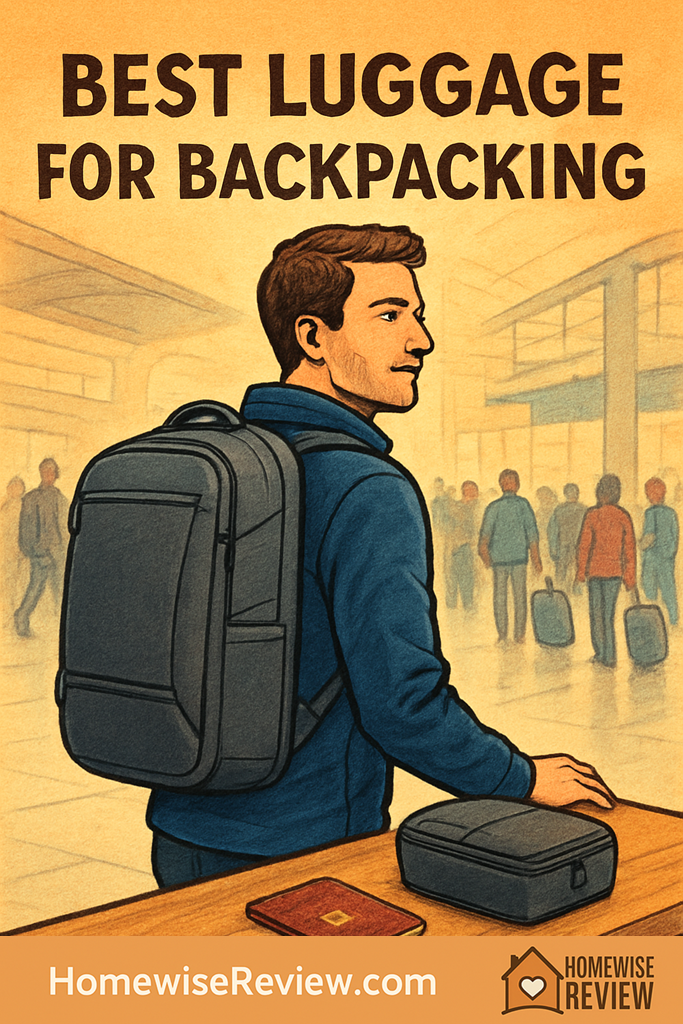
You want backpacking luggage that stays comfortable on long transit days, fits the stuff you actually use, and does not turn packing into a daily wrestling match.
✨ 2026 Spotlight
2026 Spotlight: Travelers this year are paying closer attention to lighter carry-on packs with cleaner organization and better laptop access, especially for mixed city-and-transit itineraries. Alongside the picks below, the Osprey Daylite Carry-On Travel Pack 44 and Thule Aion Travel Backpack 40L are two newer options worth a look if you want a streamlined layout without giving up practical capacity. If fit is close between models, prioritize the one that keeps the load snug against your back when fully packed, since that still makes the biggest difference on long transfer days.
In-depth Reviews
Osprey Farpoint 40 Travel Pack
- Carries weight like a true backpack, not a floppy suitcase
- Easy to pack and compress without fighting the zipper
- Harness stows cleanly for rough handling in transit
- Front organization is simpler than some suitcase-style packs
- Can feel tight if you try to pack bulky footwear and heavy outerwear
Patagonia Black Hole MLC 45
- Suitcase-style access with stable, practical carry options
- Handles heavy packing without turning into a shapeless blob
- Easy to live out of in tight rooms
- Less of a true hiking-style harness than some travel packs
- Can push carry-on limits when overpacked
Cotopaxi Allpa 42L Travel Pack
- Exceptionally easy to stay organized without extra cubes
- Fast access to specific items without unpacking everything
- Holds its shape well while packing
- Heavier feel when fully loaded compared with simpler layouts
- Organization is less flexible if your packing style changes
Peak Design Travel Backpack 45L
- Highly controlled organization for tech-heavy packing
- Keeps a clean shape and resists sagging
- Compresses down well when not fully loaded
- Less forgiving if you tend to overstuff soft items
- Can feel heavy compared with minimalist travel packs
Tortuga Travel Backpack 40L
- Supportive harness that reduces shoulder fatigue
- Stable carry when the bag is packed dense
- Suitcase-like packing experience that stays tidy
- More structured and less compressible than softer packs
- Not the lightest option for strict weight limits
Buying Guide
What We Wish We Knew Before Buying a Travel Pack
Do a “transit-day test” before you commit. Load the bag with the exact weight you expect to carry, then wear it while doing a few normal chores: stairs, a short walk outside, and a few minutes standing still. Bags that feel fine for thirty seconds can feel awful after ten minutes if the load pulls away from your back or the shoulder straps pinch. Pay attention to whether you can tighten the hip belt enough to move weight off your shoulders.
Pack for the way you actually travel, not the fantasy. Most people overpack “just in case” items, then spend the whole trip fighting their zippers and carrying extra weight. A better approach is to pack fewer duplicates, plan on doing laundry, and leave a little breathing room for day-one food, a rainy layer, and the random stuff that appears on the road. If the bag only works when it is packed perfectly, it will betray you halfway through the trip.
Make security and downtime easier with one small habit. Keep a dedicated, always-the-same pouch for passport, wallet, earbuds, and a pen, and put it in the same pocket every time you repack. This reduces the “where did I put it” spiral when you are tired and surrounded by people. On overnight buses or shared rooms, it also means your essentials can come out with you quickly without unzipping your whole pack.
💡 Editor’s Final Thoughts
Final verdict: The Osprey Farpoint 40 is the top pick for most backpacking travelers because it carries comfortably like a real pack while still packing like luggage. If you want maximum organization and a suitcase-like feel, the Cotopaxi Allpa is the most satisfying to live out of day after day.
What “backpacking luggage” really means (and why it’s different from a hiking pack)
For travel backpacking, you’re not hauling a tent and stove into the wilderness. You’re moving through airports, train stations, stairs, sidewalks, and crowded streets while keeping your gear close, organized, and easy to access.
That is why the best luggage for backpacking usually looks like a hybrid: a suitcase-style clamshell opening for fast packing, plus a real harness system for carrying when wheels are useless. The goal is simple, stay mobile without living out of a chaotic duffel.
How to choose the right backpacking luggage
1) Prioritize carry comfort, not just liters
If you have ever sprinted to a platform with a bag cutting into your shoulders, you already know the truth: straps make or break a trip. Look for a supportive hip belt, load lifters (straps that pull weight closer to your body), and a back panel that does not collapse into a barrel when the bag is full.
Also pay attention to how the harness stows. A clean, covered back panel matters when your bag gets tossed onto bus roofs, boat decks, or airline conveyor belts.
2) Clamshell access saves time every single day
Top-loading bags can be great for hiking, but for travel they often force you to unpack half your life just to find a charger. A clamshell or suitcase-style opening lets you lay everything out, repack quickly, and keep a predictable “home” for each category of items.
Built-in internal dividers can help, but only if they match how you pack. If you already use packing cubes, you may prefer a more open main compartment with a few smart pockets.
3) Use structure strategically (too floppy is frustrating)
A soft, shapeless bag can be easy to squeeze into odd spaces, but it can also sag, tip over, and feel heavier because the load shifts while you walk. On the other hand, overly rigid bags can waste space and feel boxy on your back.
The sweet spot is a pack that holds its shape enough to pack neatly and carry well, but still compresses and fits into tight overhead bins when not fully stuffed.
4) Think through your “quick access” needs
Backpacking trips have a rhythm: passport, phone, boarding pass, sunglasses, earbuds, a layer, snacks. A great travel pack makes those items easy to grab without unzipping the whole main compartment in a security line.
Look for at least one genuinely usable top or front pocket, plus a protected spot for tech if you travel with a laptop or tablet. If you do not, prioritize a cleaner layout over a laptop compartment you will never use.
5) Durability is mostly about zippers and seams
Fabric matters, but zippers and stitching are what usually fail first in real travel. Smooth, sturdy zippers with easy-to-grab pulls are a big deal when you are opening your bag multiple times a day. Reinforced grab handles and compression straps also matter more than most people expect.
Practical bonus: choose a bag with a layout that still works when it is scuffed and tired. In other words, avoid fussy designs that depend on everything being perfectly aligned to close.
Carry-on reality check (so you do not buy the wrong bag)
Many “carry-on sized” packs are only carry-on sized when they are not overpacked. Soft luggage is forgiving, but airlines are not. A bag that is right on the edge can become a problem if you routinely stuff the front pocket or cinch in bulky layers at the last minute.
- Pack it once at home with your typical kit and see how it carries for at least ten minutes.
- Measure the packed bag, not the empty bag. Bulging corners are what get flagged.
- Plan for “dirty volume” like souvenirs, snacks, and laundry that never packs as neatly as it did on day one.
Smart add-ons that make any backpacking luggage work better
- Two packing cubes (one for clothes, one for underwear and socks) so you can repack in under two minutes.
- A small collapsible day bag so your main pack stays at your lodging when you are out exploring.
- A simple rain cover or packable poncho because travel days do not pause for weather.
- A small laundry kit (sheet detergent, sink stopper if needed) to keep your overall load smaller.
See also
If you are trying to stay polished on the road without overpacking, bookmark our beauty routine guide for frequent travelers and pair it with these bathroom organization ideas for keeping toiletries from taking over your bag.